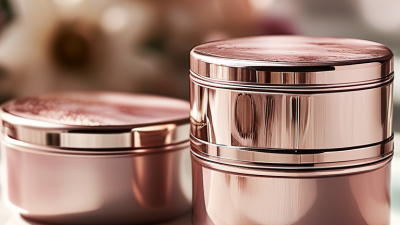
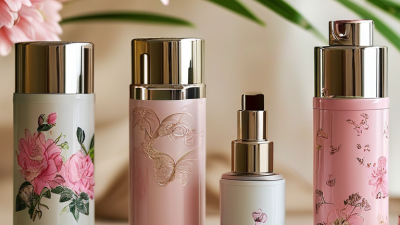
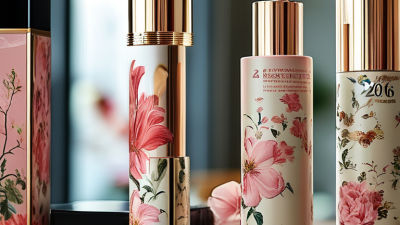
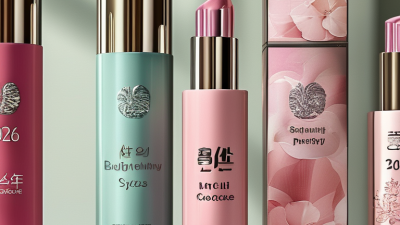
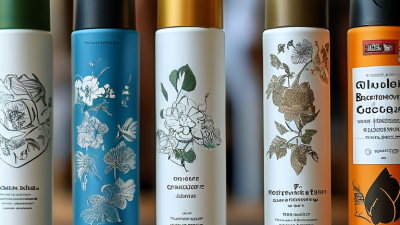
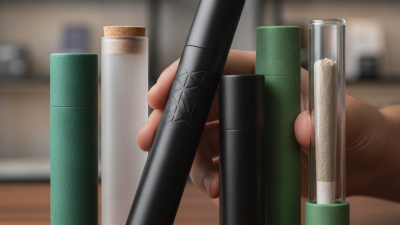
The beauty industry in China has really been booming lately, drawing in buyers from all over the world with its fresh, innovative products. When you look at the cosmetic containers available there, it’s clear they’ve got a pretty diverse selection — many different designs and materials to choose from. Chinese manufacturers are definitely setting new standards, delivering high-quality products that can compete on the international stage.
Brands like MINGYI and HCP Packaging are leading the way, especially when it comes to eco-friendly and attractive packaging options. People really seem to appreciate their emphasis on sustainability — it’s something a lot of consumers care about these days. But, of course, keep in mind that the trends and regulations in this sector are changing quickly, so it’s important to stay up-to-date.
That being said, not every cosmetic container out there is perfect. Some designs might not be super easy to use, or they might not be as durable as you'd hope. So, it’s always a good idea to do your homework and research your options thoroughly. The market moves fast, and the key is staying informed — that way, you can find the right mix of style and practicality when it comes to choosing your packaging.
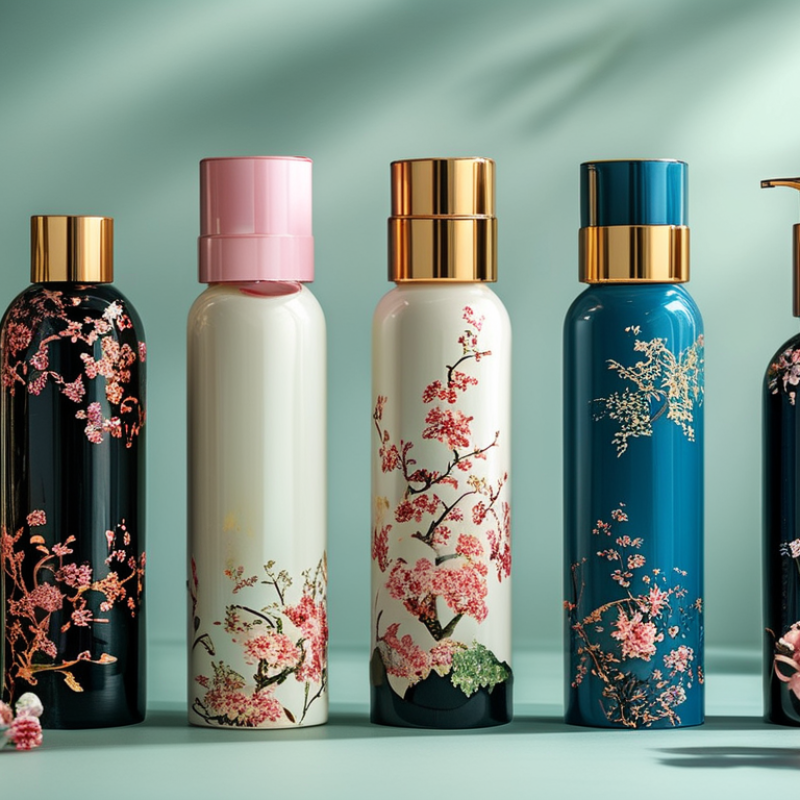
Leading Types of Cosmetic Containers in China's Market
In the rapidly evolving cosmetic market in China, several container types lead the industry trends. According to a recent market analysis, plastic containers dominate, accounting for over 55% of the market share. They are lightweight, cost-effective, and versatile, appealing to various beauty brands. The demand for eco-friendly options is also rising, pushing brands toward sustainable materials, such as biodegradable plastics.
Glass containers have seen a resurgence in popularity due to their perceived premium quality. High-end cosmetics often prefer glass for its luxurious look and feel. Industry reports suggest that the market for glass packaging is projected to grow by 7% annually. However, while glass options are aesthetically pleasing, they can be heavier and more fragile compared to plastics, presenting challenges in shipping and distribution.
Airless pumps and jars are gaining traction for their ability to extend product shelf life. They prevent air exposure, preserving formulations from oxidation. Yet, these containers pose production challenges and may increase costs. Balancing protection and affordability remains a key concern. As global buyers navigate this complex market, understanding these trends is essential for making informed decisions.
Innovative Materials Used in Cosmetic Packaging in China
Innovative materials in cosmetic packaging are transforming the industry in China. Many manufacturers are exploring sustainable options.
For instance, biodegradable plastics and recycled materials are gaining attention. They not only reduce waste but also maintain product integrity.
This shift illustrates a growing commitment to environmental responsibility among producers.
Empty Cosmetic Containers
Now come in diverse designs, crafted for functionality and appeal. These containers often feature airless technologies to preserve the product.
Still, challenges remain in balancing aesthetics and sustainability. Some designs might compromise ease of recycling, raising questions about their overall environmental impact.
Additionally, the fusion of traditional craftsmanship with modern techniques creates unique packaging solutions.
Glass, a classic choice, is still popular for luxury products. However, the fragility of glass poses risks during shipping.
Using lightweight yet robust alternatives could address this issue.
As the market evolves, continuous improvement in packaging materials will be essential for meeting consumer expectations and environmental standards.
Sustainability Trends in Cosmetic Container Design in China
The sustainability trends in cosmetic container design reflect a growing commitment to reducing environmental impact. In China, nearly 70% of consumers prefer eco-friendly packaging options. This shift is largely due to increased awareness of plastic waste. Brands are responding by innovating with sustainable materials. These include bioplastics and recycled materials. Such measures not only cater to consumer preferences but also align with global sustainability goals.
The rising popularity of Small Cosmetic Containers represents an essential aspect of this trend. These compact options reduce material usage and enhance convenience. Research indicates that over 40% of consumers favor smaller packages for travel and portability. However, challenges remain. Many small containers still use non-recyclable materials, resulting in waste. Moreover, the production processes can sometimes negate eco-friendly benefits.
Moving forward, brands must invest in research and development to ensure that small cosmetic containers are truly sustainable. Collaboration between manufacturers and environmental organizations can spark innovative solutions. Keeping the consumer's eco-conscious mindset in focus is vital. Fostering an industry-wide commitment to sustainability will drive these changes forward.
Key Manufacturers of Cosmetic Containers in China
China has become a leading hub for cosmetic container manufacturing. A recent report estimated that the cosmetic packaging market in China is expected to grow at a CAGR of 5.8% from 2022 to 2028. This growth is driven by rising consumer demand for innovative packaging solutions. Manufacturers here emphasize not only aesthetics but also functionality.
Chinese manufacturers focus on sustainability. Many are shifting to eco-friendly materials, responding to global trends. Data shows that about 40% of buyers prioritize sustainable packaging. Yet, some brands still struggle with implementation. This inconsistency highlights the need for continuous improvement in these practices.
The quality of cosmetic containers varies widely among manufacturers. Reports indicate that around 20% of production fails to meet international quality standards. This issue requires attention, as it impacts global buyers. They seek reliable sources that offer both quality and design. Understanding the market landscape is essential for making informed decisions.
Top Cosmetic Containers in China for Global Buyers
| Container Type |
Material |
Capacity (ml) |
Color Options |
Customization |
| Airless Pump Bottle |
Plastic |
30 - 100 |
Clear, Frosted, Custom Colors |
Yes |
| Glass Jar |
Glass |
50 - 500 |
Amber, Clear, Green |
No |
| Cosmetic Tube |
Plastic |
15 - 300 |
White, Black, Custom Print |
Yes |
| Roller Ball Bottle |
Glass |
10 - 50 |
Clear, Frosted |
No |
| Spray Bottle |
Plastic |
100 - 250 |
Clear, Blue, Green |
Yes |
Market Trends Influencing Cosmetic Packaging Choices in China
The cosmetic packaging market in China has witnessed significant shifts. As eco-conscious consumers become more prevalent, brands are modifying their packaging strategies. Many companies are now investing in sustainable materials and designs. This trend reflects a growing awareness of environmental issues among consumers.
Another notable trend is the customization of packaging. Clients prefer unique designs that reflect their brand identity. As a result, there is an increased demand for innovative shapes and vibrant colors. However, balancing creativity with functionality remains a challenge for many manufacturers. It’s important to maintain product integrity while attracting consumers visually.
Digitalization also plays a role in shaping packaging choices. With the rise of e-commerce, brands focus on packaging that enhances online presentation. Interactive elements and QR codes are becoming common features. Yet, not all consumers respond to these innovations positively. Some may find them gimmicky. The desire for simplicity can sometimes clash with the push for innovation.
Popular Cosmetic Container Designs Among Global Buyers
When exploring popular cosmetic container designs, it's essential to consider the preferences of global buyers. The market in China offers a variety of innovative options. One standout design is the airless pump bottle. This design not only preserves the product's integrity but also appeals to consumers seeking longevity. Its sleek appearance draws attention, showcasing the product within beautifully.
Another notable trend includes eco-friendly materials. These containers resonate with environmentally conscious buyers. Many customers are looking for sustainable packaging, such as biodegradable plastics or glass. These options may create a positive brand image but can sometimes present challenges in production and cost. Classic glass jars remain popular as well. They convey a sense of luxury, especially for higher-end creams. However, they can be prone to breakage, which leads to considerations of safety during shipping.
Lastly, multifunctional designs are gaining traction. Containers that serve multiple purposes can attract buyers who value versatility. However, these designs might complicate the manufacturing process, raising potential quality control issues. Balancing aesthetics, functionality, and sustainability is an ongoing challenge for manufacturers. As trends evolve, the Cosmetic Cream Containers need to adapt to meet diverse consumer needs.
Top Cosmetic Containers in China for Global Buyers
This chart illustrates the popularity of different cosmetic container designs among global buyers. The data is based on market research and shows the percentage preference of buyers for various types of containers.
Challenges Faced by Cosmetic Container Suppliers in China
The cosmetic container industry in China faces various challenges. For one, the intense competition necessitates innovation. Suppliers must continuously enhance product designs and materials. This is critical, as reports show that over 70% of consumers favor innovative packaging. Many prefer eco-friendly materials. However, secure sourcing of sustainable resources can be a struggle.
Price fluctuations in raw materials add an extra layer of complexity for suppliers. Recent studies indicate that plastic resin prices have risen by 15% in the past year. This affects profit margins and pricing strategies. Glass Cosmetic Containers are gaining popularity due to their perceived quality. However, glass production can be costly and environmentally taxing. Suppliers must balance costs and sustainability.
Additionally, regulatory compliance poses a major hurdle. The Chinese market adheres to stringent safety and environmental standards. Suppliers may find it challenging to keep up with changing regulations. This often leads to delays and increased operational costs. Addressing these issues is essential for growth in the global market. The future of the cosmetic container industry relies on adaptability and resilience.
FAQS
: Biodegradable plastics and recycled materials are popular choices for sustainable cosmetic packaging.
It reduces waste and demonstrates commitment to environmental responsibility among manufacturers.
Balancing aesthetics and sustainability can compromise recycling ease.
Nearly 70% of consumers prefer eco-friendly options, driving brands to innovate.
They reduce material usage and enhance convenience for travel.
Many still use non-recyclable materials, raising waste concerns.
Investing in research and collaborating with environmental organizations is essential.
Yes, glass remains popular, despite its fragility during shipping.
It combines traditional methods with modern techniques, creating unique solutions.
Sometimes, the methods used can negate the sustainability benefits intended.
Conclusion
The article "Top Cosmetic Containers in China for Global Buyers" explores the diverse landscape of cosmetic containers within the Chinese market, highlighting the leading types and innovative materials utilized in packaging. It delves into sustainability trends that are shaping container design, reflecting a growing consumer preference for eco-friendly options. Key manufacturers are discussed, providing insight into their contributions to this dynamic industry.
Market trends significantly influence cosmetic packaging choices, with global buyers showing a preference for specific designs that appeal to aesthetics and functionality. Despite the robust growth of the cosmetic containers market, suppliers in China face challenges, including competition and evolving consumer demands. Overall, the article underscores the importance of understanding these factors for global buyers looking to make informed decisions in their cosmetic container acquisitions.