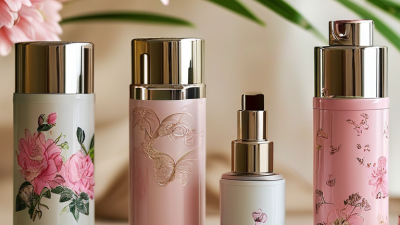
In today’s competitive market, selecting the right Deodorant Tube Packaging is crucial for global buyers. The packaging not only protects the product but also enhances brand visibility. Effective designs influence consumer choices, making it essential for companies to stay ahead in this aspect.
Focusing on sustainable materials can elevate a product’s status. Brands like Amcor and Berry Global showcase innovative techniques to reduce environmental impact. However, the shift towards eco-friendly options may require investment and continuous adaptation. It's vital for manufacturers to balance aesthetics and functionality while considering cost implications.
Moreover, the user experience with Deodorant Tube Packaging plays a key role in customer satisfaction. Elements like ease of use and portability are significant. While many firms prioritize design, neglecting practicality could lead to negative feedback. Therefore, striking the right balance is essential for success in this packaging arena.
Understanding the Importance of Packaging in Deodorant Products
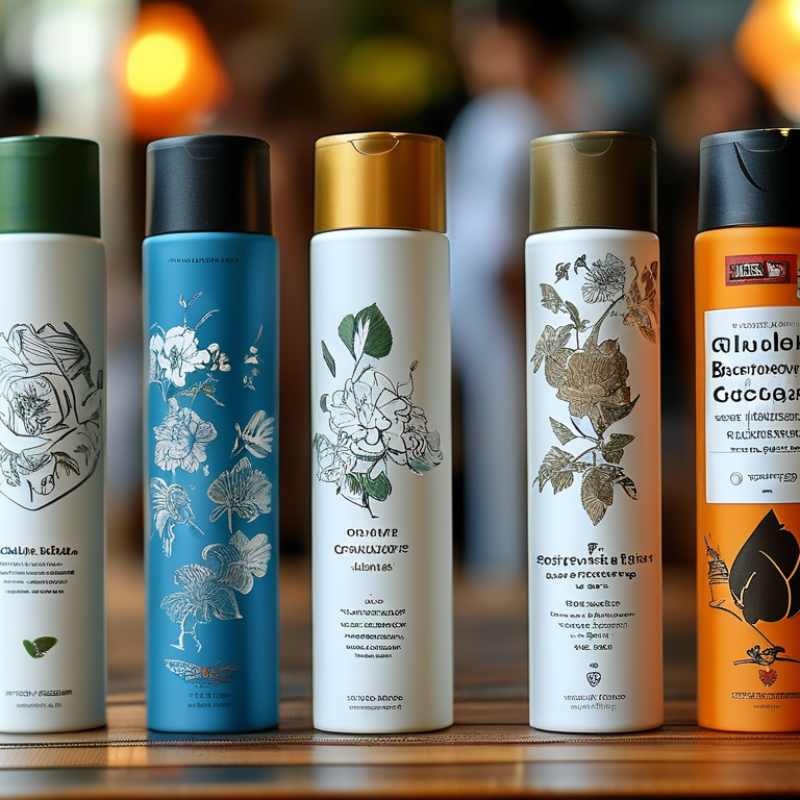
In the competitive deodorant market, packaging plays a critical role. A recent report from Smithers indicates that 70% of consumers make their purchase decisions based on packaging design. This highlights the need for brands to focus on innovative and efficient designs. Deodorant packaging should not only be aesthetically appealing but also functional.
Specialized packaging can enhance the user experience. For instance, the use of biodegradable materials resonates with eco-conscious consumers. According to the Global Packaging Trends report, 45% of buyers are willing to pay more for sustainable options. However, achieving this balance isn't always easy. Brands must consider manufacturing costs and the environmental impact of materials.
Effective communication through packaging also matters. Clear labeling can help consumers understand product benefits quickly. Unfortunately, many brands still overlook this aspect. A survey revealed that 60% of consumers find it challenging to understand ingredient lists or usage instructions. This gap indicates a need for improvement in transparency and clarity. Striving for better packaging solutions can ultimately build trust and enhance brand loyalty.
Types of Deodorant Tube Packaging: A Comprehensive Overview
Deodorant tube packaging plays a crucial role in product appeal and functionality. There are various types to consider. Each type has its benefits, affecting user experience directly. One popular option is the Paper Deodorant Tube. This packaging type is eco-friendly and biodegradable. It captures consumer interest due to its sustainable attributes. Brands focusing on sustainability often choose this option to align with market demands.
Another notable type is plastic tubes. They are lightweight and durable, offering a practical choice for many manufacturers. Plastic tubes often come with various closures, impacting ease of use. However, they present environmental challenges, raising questions about recyclability. Users may appreciate the convenience but express concerns over waste.
Metal tubes also offer a stylish and sturdy alternative. They retain product freshness well but can be pricier. Users favor them for their aesthetic appeal. Yet, some may reflect on how the initial investment affects pricing strategies. Ultimately, manufacturers must balance cost, consumer preferences, and environmental considerations to find the best deodorant tube packaging. The right choice can enhance brand identity while catering to diverse global buyers.
Materials Commonly Used in Deodorant Tube Packaging
When considering deodorant tube packaging, material choice plays a crucial role. Common materials offer different benefits and constraints. Plastic is often preferred for its lightweight and versatile properties. It allows for various shapes and sizes, making it easier to design functional packaging. However, the challenge lies in recyclability. Many plastics are not easily recycled, which can raise concerns among eco-conscious consumers.
Aluminum provides a more sustainable alternative. It is lightweight yet durable, offering excellent protection for the product inside. Furthermore, aluminum is highly recyclable. However, manufacturing processes can be resource-intensive. Brands must balance sustainability with cost-effectiveness. Glass is another option, giving a premium feel and being fully recyclable. Yet, it’s heavier and more prone to breakage, which can limit its appeal in certain markets.
It's essential to consider not just the material's benefits but also potential drawbacks. For instance, while plastics are versatile, their environmental impact is significant. Shifting to more sustainable materials is a trend to watch. The deodorant packaging industry continues to evolve, adapting to both consumer needs and environmental challenges. Brands need to reflect on their choices. After all, the packaging reflects the brand's values.
Innovative Designs in Deodorant Tube Packaging for Global Markets
Deodorant packaging has seen remarkable innovation recently. Designers focus on sustainability and user experience.
Paper Tube Deodorant
is one option gaining traction. This material is eco-friendly and biodegradable. Consumers increasingly prefer environmentally conscious choices. Using biodegradable materials can elevate a brand's image.
Innovative designs are essential for attracting global markets. Some brands opt for twist-up mechanisms, adding convenience. Others incorporate sleek, minimalist aesthetics that resonate with modern tastes.
These designs stand out on store shelves. Brands can also customize tube colors and patterns for better appeal. However, ensuring durability while using sustainable materials remains a challenge.
Feedback from users is crucial in this evolving landscape. Some may find paper tubes less robust than plastic counterparts. Brands need to address potential weaknesses without sacrificing their green message. Listening to consumer insights can drive improvements. The future of deodorant packaging looks bright, with endless possibilities on the horizon.
Sustainability Trends in Deodorant Tube Packaging Solutions
The recent shift towards sustainable packaging in the deodorant segment reflects a growing awareness of environmental issues. Buyers are increasingly gravitating towards tube options made from eco-friendly materials. These alternatives often include recycled plastics or biodegradable substances that minimize waste.
Sustainability is not just a trend; it's a necessity. Many manufacturers are recognizing the importance of reducing their carbon footprint. However, some still struggle with balancing product performance and sustainability. It’s a complex task. For instance, ensuring that a biodegradable tube resists moisture while being functional can pose challenges.
Consumers are also eager for transparency. They want to understand what materials are used in packaging and their environmental impact. This demand can lead to better practices within the industry. Yet, it raises questions about the efficacy of "green" claims. Not all suppliers offer products that live up to their promises.
Scrutiny and research from buyers can lead to a more informed marketplace.
Key Factors to Consider When Choosing Deodorant Tube Packaging
When selecting deodorant tube packaging, various factors are crucial for the global market.
Sustainability is a significant consideration, as consumers increasingly prefer eco-friendly options.
In 2022, an industry report noted that 66% of consumers are willing to pay more for sustainable packaging.
This trend highlights the importance of using biodegradable materials or recyclable designs, like the
Deodorant Paper Tube,
which provides a lower environmental impact than traditional plastic packaging.
Design and usability cannot be overlooked. Packaging must ensure ease of application and access to the product.
Survey data shows that 45% of consumers find packaging that is difficult to open a significant deterrent.
Additionally, visual aesthetics play a role in attracting buyers. Packaging that stands out on the shelf increases the likelihood of purchase.
The right color and texture can convey brand values and quality.
Cost-effectiveness is another critical factor.
Packaging solutions must balance affordability with functionality. Many brands struggle to find options that meet both criteria.
According to a report by Smithers Pira, packaging costs represent about 10% of total production costs.
Companies must assess their budget while ensuring their packaging aligns with consumer expectations.
The challenge lies in finding innovative solutions that will not sacrifice brand integrity or market appeal.
Market Preferences: Regional Differences in Deodorant Packaging Styles
When exploring global preferences in deodorant packaging, it’s essential to understand regional differences. In some markets, eco-friendly materials gain prominence, while others prioritize convenience. A
Deodorant Set that includes a travel-size option showcases versatility, appealing to diverse consumers.
Packaging styles also vary widely. For example, North American consumers might lean toward sleek, minimalist designs. In contrast, Asian markets often favor vibrant colors and artistic shapes. These choices reflect cultural aesthetics and functional desires, making it crucial for brands to cater to local tastes.
Here are some tips for effective packaging design: use environmentally friendly materials to appeal to conscious buyers. Additionally, consider incorporating refillable options to enhance usability. It’s vital to test designs with focus groups to identify regional preferences. This approach can refine your product strategy and improve market reception.
FAQS
: Packaging significantly influences consumer purchase decisions. Around 70% of consumers prioritize design when choosing deodorants.
Common materials include plastic, aluminum, and glass. Each has unique benefits but also specific environmental concerns.
About 45% of consumers are willing to pay more for sustainable packaging. However, sustainability must balance costs and feasibility.
While plastic is versatile and lightweight, it poses recycling issues. Many plastics cannot be easily recycled, raising environmental concerns.
Clear labeling enhances understanding of product benefits. Unfortunately, many consumers find ingredient lists confusing, indicating a need for improvements.
Yes, preferences vary globally. North America prefers minimalist designs, while Asian markets favor vibrant colors and artistic packaging styles.
Brands should use eco-friendly materials and consider refillable options. Testing designs with focus groups can refine strategies effectively.
Many brands overlook the importance of transparency. This creates confusion and could damage trust among consumers.
Glass offers a premium feel but is heavier and prone to breakage. This can limit its practical appeal in some markets.
Packaging not only protects products but also represents brand values. Thoughtless choices can misalign with consumer expectations.
Conclusion
Deodorant Tube Packaging plays a crucial role in the success of deodorant products, as it directly influences consumer perception and product functionality. Understanding the different types of packaging available, including the materials commonly used, is essential for global buyers. Innovatively designed tubes that cater to regional preferences can enhance market appeal, while sustainability trends in packaging solutions are becoming increasingly significant.
When choosing deodorant tube packaging, factors such as durability, ease of use, and environmental impact must be considered. Moreover, recognizing the variations in market preferences across different regions can help brands tailor their packaging strategies effectively. In essence, thoughtful Deodorant Tube Packaging not only addresses consumer needs but also aligns with global sustainability goals.