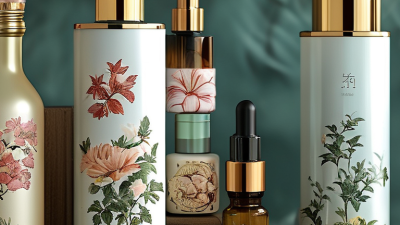
Hey, have you noticed how the world of beauty and skincare is constantly changing? One thing that's really hot right now is cosmetic containers. More and more buyers around the globe are looking for packaging options that not only look good but are also eco-friendly and practical. Companies like Amcor and Aptar are really stepping up their game with sustainable designs that match what consumers want these days.
As trends evolve, packaging seems to become a part of a brand’s personality. But honestly, many brands struggle to find that perfect balance between eye-catching looks and functionality. The materials they choose can really affect a product’s shelf life—and let’s not forget the environment, right? So, brands definitely need to spend some quality time exploring different options in cosmetic containers.
That said, keeping up with customer expectations is anything but easy. It’s a bit of a tightrope walk between standing out and staying marketable. Listening carefully to what buyers have to say can truly make a difference. Their feedback can help brands tweak their approach to cosmetic containers, making sure they meet the varied needs of customers all over the world.
Top Trends in Cosmetic Container Design for 2026 Global Market
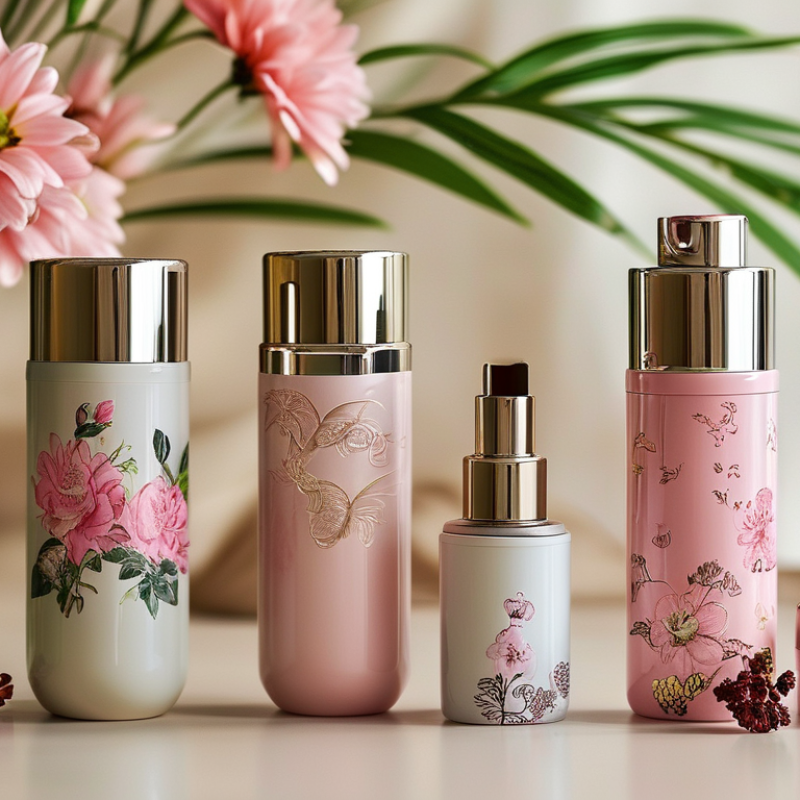
As we look ahead to the global market of 2026, cosmetic container design is poised to reflect significant shifts.
Sustainability will remain a pivotal trend, with eco-friendly materials gaining prominence.
Biodegradable plastics and recyclable glass are becoming essential in packaging. However, achieving the right balance between aesthetics and eco-responsibility proves challenging.
Minimalist designs are expected to resonate with consumers seeking clarity and simplicity.
Clean lines and transparent containers can showcase the product within.
Yet, brands must avoid becoming too simplistic; innovation must be a key companion to minimalism. Color palettes will shift towards soft, natural tones that evoke a sense of calm.
Smart packaging is a growing trend as well. Technology integration, such as QR codes for product information or tracking, enhances user experience.
However, this reliance on tech can create barriers for some consumers, especially the less tech-savvy.
Designers must ensure inclusivity in their strategies. Overall, the evolution of cosmetic containers in 2026 will reflect a blend of sustainability, minimalism, and smart innovation, continually seeking to meet diverse consumer needs.
Key Material Innovations in Cosmetic Packaging: Sustainability Focus
Sustainability is reshaping the cosmetic packaging industry. Innovations in materials are helping brands align with eco-friendly initiatives. According to a report from Smithers Pira, the sustainable packaging market is set to grow by 20% annually. This shift is driven by consumer demand for environmentally responsible products.
Numerous brands have begun using bio-based plastics and recycled materials in Lip Containers. These materials reduce reliance on virgin plastics. A study by Allied Market Research shows that 60% of consumers prefer products packaged in sustainable materials. Innovative designs not only appeal visually but also gain consumer trust.
Tips: Always consider the entire lifecycle of packaging materials. Look for containers that are easily recyclable. Additionally, explore labels made from sustainable sources. Engaging with suppliers committed to sustainability can enhance your brand’s reputation. Investing in research might seem costly, but it pays off in customer loyalty.
Analysis of Global Cosmetic Packaging Market Size and Growth Projections
The global cosmetic packaging market is projected to reach
$41.2 billion by 2026. This growth is fueled by increased
consumer awareness and demand for sustainable packaging solutions.
According to recent industry analyses, the market is expected to expand at a
CAGR of approximately 4.8% over the next few years.
Sustainable materials like glass and biodegradable plastics are becoming popular choices among
manufacturers and consumers alike.
Key regions driving this growth include North America
and Asia-Pacific, where beauty and personal care trends are
rapidly evolving. Interestingly, while innovation plays a significant role in packaging design,
brands must also address the substantial environmental impact of waste. Research indicates that
over 90% of plastic packaging is not recycled, highlighting
a critical challenge the industry faces. Both consumers and brands are calling for greater accountability.
In this context, it’s essential to recognize that while the market is on an upward trajectory,
sustainability issues present obstacles. Consumers demand transparency, pushing brands to rethink
their packaging strategies. Balancing innovation, aesthetics, and eco-friendliness is not simple.
The pathway to a sustainable future for cosmetic packaging remains fraught with challenges that require
ongoing reflection and adaptation.
Consumer Preferences Shaping Cosmetic Container Features in 2026
As we approach 2026, consumer preferences in the cosmetic container sector are evolving rapidly. A report from Market Research Future indicates that over 60% of consumers now prioritize eco-friendly packaging. This shift emphasizes the need for brands to adopt sustainable materials and reduce plastic waste. The demand for refillable containers is also on the rise, with 45% of global buyers expressing a preference for designs that support sustainability.
Innovative designs are another critical area. Among buyers, 73% look for user-friendly features, such as easy-to-dispense mechanisms. This trend highlights the importance of functional aesthetics in the packaging. Additionally, a significant portion of consumers, about 55%, prefer containers that are visually appealing and align with their lifestyle choices. Packaging can no longer be an afterthought. Brands must consider how aesthetics contribute to the overall consumer experience.
Moreover, the preferences of consumers can be unpredictable. While sustainability is crucial, not every market segment prioritizes it the same way. Some regions still favor luxurious packaging, regardless of the material. This inconsistency may challenge brands in streamlining their designs. Companies should remain agile, ready to adapt as preferences shift. Balancing sustainability with luxury will be important in the dynamic market of cosmetic containers by 2026.
Leading Players in the Cosmetic Packaging Sector: Market Shares & Strategies
In the competitive landscape of cosmetic packaging, major players are redefining strategies for 2026. The demand for innovative packaging solutions continues to rise. Companies focus on sustainability and functionality. This shift attracts consumers increasingly concerned about environmental impact.
One emerging trend is the use of Balm Containers. These containers offer leak-proof features and aesthetic designs. Brands recognize the importance of user experience. Features like easy-to-open lids and portable sizes stand out. Yet, some players struggle to balance cost-efficiency with quality.
Additionally, many companies prioritize branding through unique packaging structures. Eye-catching designs grab attention on crowded shelves. However, neglecting durability can be a critical oversight. Without sturdy materials, products may suffer damage during transit or storage. Adapting to consumer needs while ensuring product safety remains a challenge. Each brand must reflect on its strategies to maintain relevance in this evolving industry.
Top Cosmetic Containers Market Shares for Global Buyers in 2026
Regulatory Trends Impacting Cosmetic Packaging Standards Worldwide
The global cosmetic packaging landscape is evolving. Regulatory trends significantly influence packaging standards worldwide. As sustainability becomes a priority, regulations focus on eco-friendly materials. For instance, the European Union's new regulations encourage the use of recyclable materials in cosmetic containers.
Carton Containers are emerging as a popular choice. They not only reduce plastic waste but also comply with stringent regulations. These containers offer innovative designs that attract consumers. However, brands must ensure the durability of carton containers to protect the products they hold. This balance is crucial for market acceptance.
**Tip:** Check local regulations often. Standards can change, affecting packaging design. Eco-labels on carton containers can boost consumer trust.
Brands should also consider the lifecycle of their packaging. Transparency in material sourcing leads to higher credibility. Regulations are becoming stricter, and compliance can be challenging. Challenges like sourcing sustainable materials may arise. However, overcoming them can result in a stronger market position.
Top Cosmetic Containers for Global Buyers in 2026
| Container Type |
Material |
Capacity |
Sustainability Rating |
Regulatory Compliance |
| Airless Pump Bottle |
PET |
30ml |
High |
EU Cosmetics Regulation |
| Glass Jar |
Glass |
50ml |
Medium |
US FDA Standards |
| Plastic Tube |
LDPE |
100ml |
Low |
ISO 22716 |
| Spray Bottle |
Aluminum |
200ml |
High |
REACH Compliance |
| Squeeze Bottle |
HDPE |
150ml |
Medium |
California Proposition 65 |
Emerging Technologies in Cosmetic Container Production and Customization
The cosmetic industry is undergoing a significant transformation. Emerging technologies in cosmetic container production are reshaping how products are delivered. Innovations in sustainable materials are gaining traction. Brands are now prioritizing eco-friendly options for Beauty Containers. These materials not only reduce environmental impact but also attract the eco-conscious consumer.
Customization has also become a focal point. 3D printing allows for unique designs tailored to individual preferences. This technology promotes creativity and personalization. However, it poses challenges in production scalability and cost-efficiency. Not every brand can adopt these technologies effectively.
Smart packaging is another frontier. Incorporating sensors and QR codes enhances user experience. Such features can provide real-time information on product usage. Yet, data privacy concerns remain a significant hurdle. Balancing innovation with consumer trust is vital. As we look towards 2026, the cosmetic container landscape will continue to evolve. Creativity and sustainability will drive this change in Beauty Containers, offering exciting, yet complex, opportunities for global buyers.
FAQS
: Sustainability will be a major focus, with eco-friendly materials leading the way.
Brands are embracing clean lines and transparency, but must avoid overly simplistic designs.
Biodegradable plastics and recyclable glass are becoming essential in packaging solutions.
Smart packaging, which includes QR codes, enhances user interaction but can exclude less tech-savvy consumers.
3D printing allows for unique, personalized designs but poses scalability and cost challenges.
Yes, data privacy is a significant issue, requiring a balance between innovation and consumer trust.
Soft, natural tones will be favored, creating a sense of calm for consumers.
Innovation must accompany minimalism to avoid a lack of engagement with consumers.
It can create barriers for those who are less familiar or comfortable with technology.
Finding the right balance between aesthetic appeal and eco-responsibility can be tough for designers.
Conclusion
In 2026, the market for cosmetic containers is anticipated to evolve significantly, driven by emerging trends in design and material innovations. Sustainability will remain at the forefront, with a strong emphasis on using eco-friendly materials in cosmetic packaging. This shift is not only influenced by environmental concerns but also by changing consumer preferences, which increasingly favor products that reflect their values.
Additionally, the analysis of the global cosmetic packaging market reveals promising growth projections, spurred by a demand for customized and technologically advanced packaging solutions. Leading players in the sector are adapting their strategies to meet regulatory trends and consumer expectations, ensuring that they remain competitive. As new technologies facilitate the production and personalization of cosmetic containers, the industry is poised for a dynamic transformation, setting the stage for innovative packaging solutions that cater to the needs of global buyers.