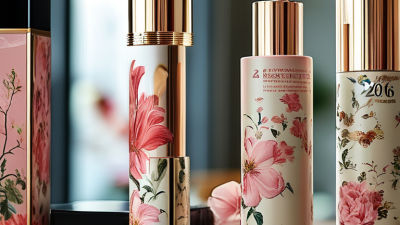
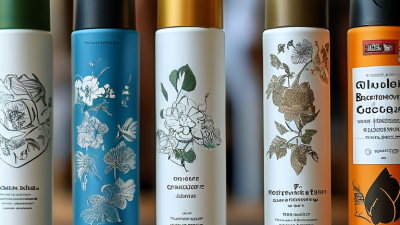
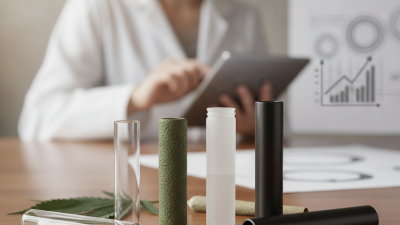
In today’s fast-moving world of beauty products, choosing the right cosmetic containers isn’t just a small detail — it’s a big deal for brands trying to catch customers’ eyes. Anna Johnson from EcoBeauty Inc., who’s pretty much an expert in packaging design, puts it simply: "The way you present your product can really make or break your brand." That’s a reminder that picking containers that not only safeguard the product but also make it look appealing really matters.
When buyers worldwide are on the hunt for cosmetic containers, they’re definitely thinking about how eco-friendly and innovative those options are. More and more, folks want brands that share their values, especially environmentally conscious ones. But here’s the thing — some companies still find it tricky to strike the right balance between making stuff look good and making sure it functions well. This kind of mismatch can mean missing out on chances to stand out in a crowded market.
The world of packaging can be a bit of a minefield, honestly. You might see a container that looks amazing but doesn’t do the job of protecting the product properly. On the flip side, some containers might be super practical but not so great on the visual front. It’s important for buyers to stay sharp and keep up with what consumers are loving these days. Basically, focusing on quality and innovation in cosmetic containers can really set a brand apart from the pack.
Best Cosmetic Containers: A Global Buyer’s Guide
When selecting cosmetic containers, understanding the diverse needs of global buyers is crucial. Different markets demand various types of packaging that cater to local preferences. For example, some regions prefer lightweight materials, while others may prioritize eco-friendly options. This variety allows brands to tailor their offerings effectively.
Tips for choosing the right packaging include considering durability and safety. Empty Cosmetic Containers should not only protect the product but also appeal visually. Think about the container size for different markets. Smaller sizes may attract consumers looking for travel-friendly options. At the same time, larger containers might cater to buyers seeking value for money.
It’s also essential to test the container with actual products. Not all packaging performs as expected. Plastic may seem less elegant, yet it has practical advantages in many cases. Reflect on the usability, as some containers may be harder to open or dispense than anticipated. Feedback from users can highlight these issues early on. Always learn and adapt to changing market demands.
Best Cosmetic Containers for Global Buyers to Consider
| Container Type |
Material |
Capacity (ml) |
Eco-friendly |
Price Range (USD) |
| Airless Pump Bottles |
PP, PET |
15 - 50 |
Yes |
1.50 - 5.00 |
| Glass Jars |
Glass |
30 - 200 |
Yes |
2.00 - 4.00 |
| Plastic Tubes |
LDPE, HDPE |
50 - 150 |
No |
0.80 - 3.00 |
| Cosmetic Compacts |
ABS, AS |
10 - 30 |
No |
1.00 - 3.50 |
| Roller Bottles |
Glass, PP |
10 - 20 |
Yes |
1.00 - 2.50 |
Key Features to Look for in Cosmetic Containers
When choosing cosmetic containers, several key features should be taken into account. The material of the container is essential. Look for options that ensure safety for the skin and the product. Glass is often reliable, while recyclable plastics can be more practical for travel. Both materials should protect contents from light and air exposure.
Another important feature is the size and shape. Small Cosmetic Containers must be portable yet functional. Think about your target users. Will they travel often? If so, compact designs with secure lids are a must. Easy-to-use dispensers, like pumps or droppers, can enhance convenience.
Lastly, consider the aesthetic appeal. Clean, modern designs can attract customers. However, the packaging must also communicate reliability and professionalism. A design flaw can lead to negative perceptions. Balancing beauty and functionality is not always easy but is necessary for success in this competitive market.
Materials Used in Cosmetic Packaging: Pros and Cons
Choosing the right materials for cosmetic packaging is vital. Each material has distinct advantages and drawbacks. For instance, glass is often praised for its elegance. It keeps products fresh and prevents chemical reactions. However, glass can be heavy and fragile, increasing shipping costs and the risk of breakage.
Plastic is widely used for its versatility. It is lightweight and shatterproof, making it ideal for travel. However, plastic's environmental impact raises concerns. Many consumers prefer sustainable options. Biodegradable plastics are emerging, but they still have limitations in terms of durability and shelf life.
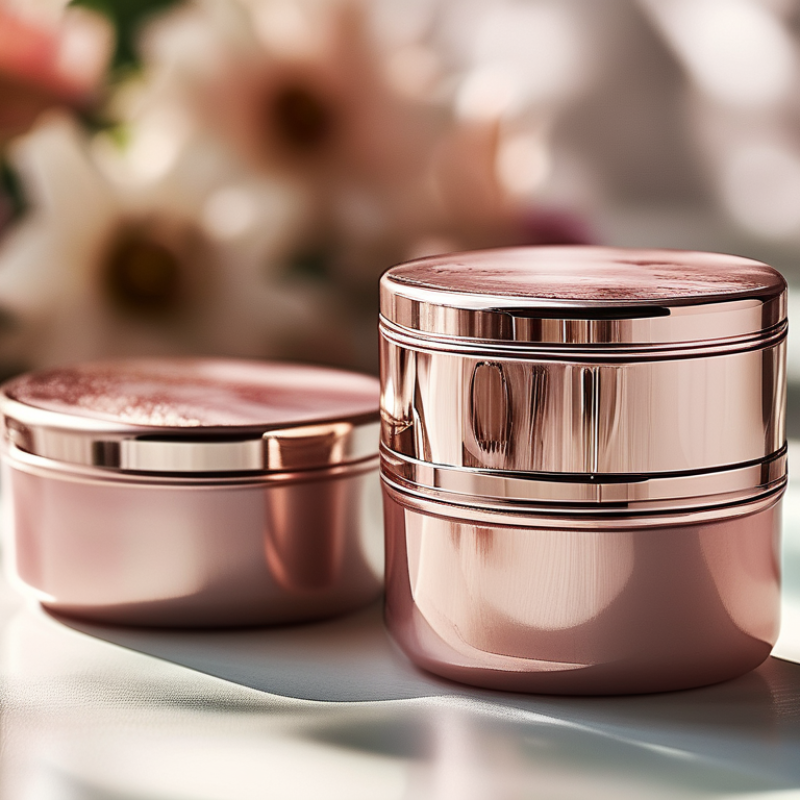
Metal containers offer durability and a premium feel. They are excellent for protecting formulations from light and air. Yet, metal can be costly and may not appeal to all consumers. Additionally, metallic finishes can affect the aesthetic of branding. Finding the balance between functionality and consumer preference is not always easy in the complex world of cosmetic packaging.
Trends in Cosmetic Container Design Around the World
The cosmetic container market is evolving rapidly. Sustainability has become a focal point for many brands worldwide. According to a recent report, 74% of consumers are willing to pay more for eco-friendly packaging. This shift impacts design trends significantly. Designers are exploring biodegradable materials and minimalistic designs. The aim is to reduce waste and attract eco-conscious consumers.
In addition, personalization is gaining traction. Brands are increasingly offering customizable packaging options. Reports show that 59% of consumers prefer personalized products. Color, shape, and functionality can be tailored to individual preferences. This trend reflects a desire for uniqueness. However, this complexity can make production more challenging.
Functionality remains essential in packaging design. Smart packaging, with features like QR codes, is being embraced. These elements provide consumers with vital product information. Yet, potential issues regarding privacy and data security arise. Balancing innovation with user trust is crucial in this rapidly changing landscape.
Sustainable Options for Eco-Friendly Cosmetic Packaging
Sustainable packaging is a growing trend in the cosmetic industry. According to recent studies, over 75% of consumers prefer eco-friendly options. This demand urges brands to rethink their packaging choices. Biodegradable materials and refillable containers are gaining traction. These solutions significantly reduce waste. Reports indicate that sustainable packaging can increase brand loyalty by 20%.
Tips: Consider using materials like glass or post-consumer recycled plastic. They are excellent for promoting an eco-conscious image. Also, think about offering refillable options. This practice encourages customers to return, fostering brand trust.
However, challenges exist. Not all suppliers offer sustainable materials. The cost can also be higher. Brands must balance eco-friendliness with financial viability. A thoughtful approach is essential to meet consumer expectations without sacrificing quality. As the market evolves, ongoing research is vital to identify innovative sustainable solutions.
Understanding Regulatory Requirements for Cosmetic Containers
When selecting cosmetic containers, it's crucial to understand regulatory requirements. Different regions have specific guidelines for materials used in packaging. Compliance ensures safety and appeals to eco-conscious consumers.
Many Cosmetic Cream Containers must meet particular standards. For example, in the EU, containers need to show compliance with REACH regulations. This involves safety assessments of ingredients and packaging materials. Global buyers must stay updated on these evolving rules, which can vary significantly.
Sometimes, it can be a challenge to balance innovation with regulations. A creative design might clash with required standards, causing delays. Manufacturers should regularly review regulations to avoid potential pitfalls. Not all cosmetic cream containers meet the mark, leading to possible recalls. Thoughtful planning and attention to detail can reduce these risks.
Best Cosmetic Containers for Global Buyers
Tips for Sourcing Cosmetic Containers from Global Suppliers
Sourcing cosmetic containers effectively requires a keen understanding of the global market. According to recent industry reports, the cosmetic packaging market is projected to reach over $40 billion by 2026. Sustainability is a key concern for many buyers. This trend drives demand for eco-friendly materials, such as biodegradable plastics and recycled Glass Cosmetic Containers. Many brands are moving towards greener alternatives, reflecting consumer preferences.
When evaluating suppliers, consider their certifications. ISO and ASTM standards ensure quality and safety in packaging. Buyers should ask for documentation to verify compliance. Additionally, language barriers can complicate sourcing. Clear communication is essential when discussing materials and design specifications. Utilizing translation resources can help mitigate misunderstandings that might arise.
Finding a reliable supplier often involves trial and error. Some buyers have reported delays in shipping or quality issues, emphasizing the need for due diligence. Engaging in sample testing before bulk orders can reveal shortcomings. Evaluating production capabilities will help assess whether a supplier can meet your demands. This reflection may lead to more informed sourcing decisions, ultimately catering to the evolving needs of your target market.
Sustainable Beauty: Exploring Eco-Friendly Cosmetic Box Sets for Luxury Packaging Solutions
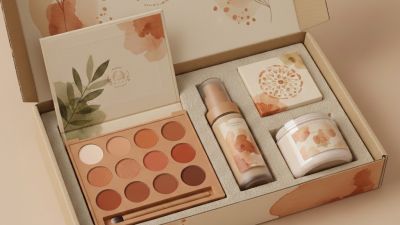
Sustainable beauty is gaining traction in the cosmetic industry, as consumers increasingly seek eco-friendly options that align with their values. One of the most exciting trends is the rise of customizable beauty gift box sets, which serve as premium packaging solutions while prioritizing sustainability. Crafted by experienced suppliers, these packaging options offer brands a unique opportunity to stand out in a crowded market through customization of size, structure, and design. By choosing eco-conscious materials, brands can enhance their environmental footprint while still delivering luxury to consumers.
Inside these beautifully designed boxes, a variety of sustainable products can be included. Options range from paper eyeshadow palettes and blush compacts to glass foundation bottles and biodegradable jars. This flexibility allows brands to present their products in an appealing manner while upholding a commitment to sustainability. Comprehensive services that encompass design, production, assembly, and delivery streamline the sourcing process, ensuring that brands can efficiently bring their vision to life. Ultimately, these customizable beauty gift box sets not only embody luxury but also reflect a dedication to ethical practices, making them a perfect choice for brands aiming to make a positive impact in the beauty industry.
FAQS
: Sustainability appeals to consumers. Over 75% prefer eco-friendly packaging options. It reduces waste and builds brand loyalty.
Designers are using biodegradable materials and refillable containers. Glass and recycled plastic promote an eco-conscious image.
Personalization is on the rise. 59% of consumers want products designed for them. This complexity can challenge production processes.
Smart packaging, like QR codes, offers vital product information. It enhances user experience but raises privacy concerns. Trust is key.
Not all suppliers provide sustainable materials. Higher costs can complicate decisions. Brands must strategize to balance eco-friendliness and quality.
Brands with sustainable options can increase loyalty by 20%. Consumers appreciate environmentally responsible practices.
Ongoing research helps identify innovative solutions. It ensures brands remain competitive while meeting consumer expectations.
Costs can be higher, impacting profitability. Not all materials meet sustainability standards, complicating choices.
Minimalistic design reduces waste. It attracts eco-conscious consumers. However, it may limit brand identity expression.
Offering refillable options can foster customer loyalty. Encouraging returns builds trust and promotes sustainability.
Conclusion
This article serves as a comprehensive guide for global buyers seeking the best cosmetic containers. It highlights the key features to consider, such as durability, design, and functionality, ensuring that the selected containers meet market demands. Additionally, it delves into the various materials used in cosmetic packaging, weighing their pros and cons, which helps buyers make informed decisions based on performance and sustainability.
The article also explores current trends in cosmetic container design worldwide, emphasizing the importance of innovation. It addresses the growing need for eco-friendly options, providing insights into sustainable packaging solutions. Furthermore, understanding regulatory requirements is crucial for sourcing compliant cosmetic containers. Lastly, the article offers practical tips for sourcing containers from global suppliers, ensuring a streamlined procurement process that aligns with both consumer preferences and environmental standards.