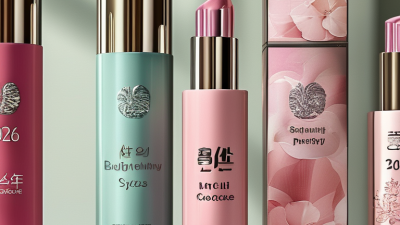
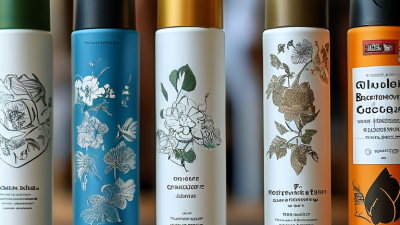
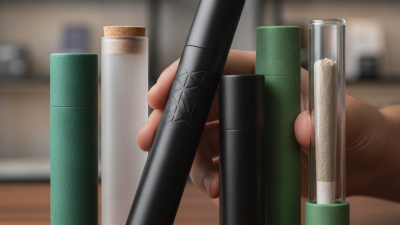
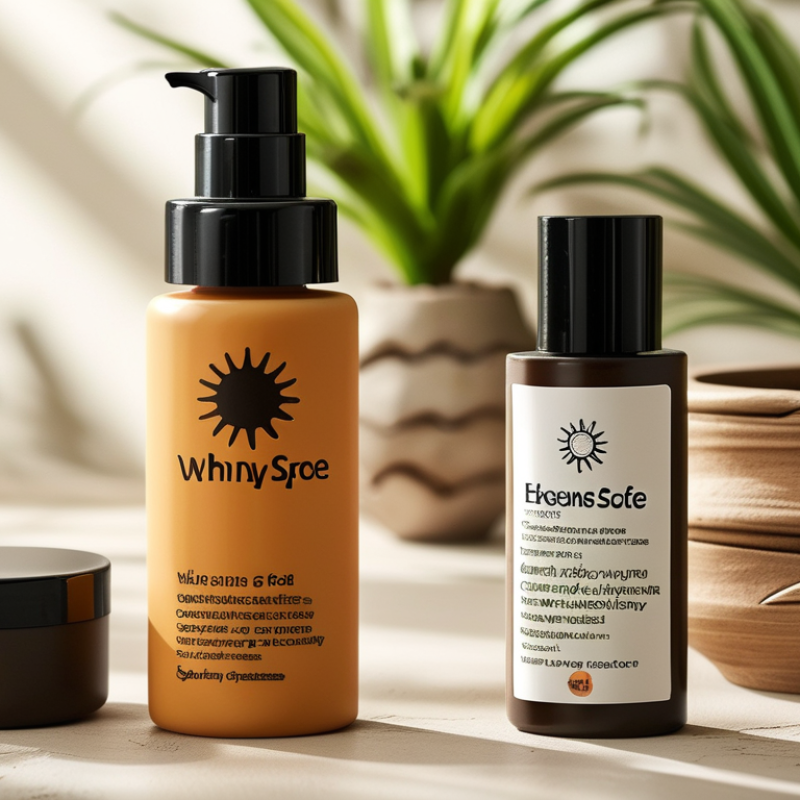
When it comes to the global sunscreen market, packaging really plays a huge role. As more and more people start caring about their skin's health, brands need to pay attention to how their products are presented. Dr. Emily Hart from SunSafe Innovations puts it simply: “Good packaging can really make a sunscreen brand stand out.” That pretty much hits the mark — smart design isn’t just about looking good; it also tells consumers why your product’s worth it. Using eco-friendly materials and coming up with creative designs can catch the eye of folks who are into sustainable stuff. Sadly though, a lot of brands kinda overlook this part. They might spend tons on making a great formula but forget that packaging matters too — and this can turn potential buyers away. Plus, the right packaging keeps the sunscreen safe during shipping and on the shelf. Nobody wants leaks or degraded product, right? So, brands really need to find that sweet spot between looking good and being practical. When done well, packaging can actually tell a story and connect with customers on a personal level, helping build loyalty. Bottom line: your packaging isn’t just a box — it’s a key part of your brand’s identity. Think about how it communicates and how it makes people feel. That’s what really makes a difference.
The Role of Sunscreen Packaging in Product Integrity and Safety
Sunscreen packaging plays a critical role in ensuring product integrity and safety. Proper packaging protects sunscreen from environmental factors like sunlight and moisture. It helps maintain the effectiveness of active ingredients, essential for UV protection. When packaging is compromised, the product's efficacy may diminish, risking skin safety.
Tips: Choose opaque or dark containers for sunscreen. These materials block harmful light, preserving the formulation's benefits. Ensure your sunscreen is sealed correctly. An unsealed product may introduce contaminants and lead to skin irritation.
Consider the ease of use too. Pump bottles can prevent contamination better than jars. Yet, some users may waste product with pumps. Re-evaluate your preferences when selecting packaging. What suits your lifestyle best? Emphasizing packaging's role can enhance the customer experience. Poor choices may lead to dissatisfaction and potential skin issues.
Consumer Perception: How Packaging Influences Sunscreen Brand Choices
The role of Sunscreen Packaging in consumer choices is often underestimated. A well-designed package can captivate a buyer's attention at first glance. According to a recent study by Mintel, 41% of consumers choose a sunscreen based on its packaging design. This clearly indicates the power of visual appeal in influencing purchasing decisions.
Consumers today favor brands that communicate transparency and sustainability through Sunscreen Packaging. A survey conducted by Nielsen revealed that 66% of global consumers are willing to spend more on a product with sustainable packaging. Brands that clearly display ingredients or sunscreen effectiveness on the packaging can create trust. This transparency builds a connection with the consumers, making them more likely to choose that brand.
However, not all brands succeed in this area. Some Sunscreen Packaging uses excess plastic or lacks clear information, leading to disinterest. A significant number of consumers find such packaging unappealing. This highlights the need for continuous improvement in packaging strategies. Brands must evaluate their packaging methods, ensuring they resonate with consumers' values and preferences.
Sustainability in Sunscreen Packaging: Trends and Global Impact
Sustainable sunscreen packaging is crucial in today’s eco-conscious market. As consumers become more aware of environmental issues, they seek products that minimize waste. Sunscreen Tube Packaging must consider recyclability and materials. Innovative designs can lead to significant reductions in plastic use.
Tips for choosing sustainable packaging include looking for recyclable materials and assessing the brand's commitment to environmental responsibility. Educating oneself about the lifecycle of packaging is essential. Many products boast of being eco-friendly, but the truth can be different. Researching certifications can help consumers make informed choices.
Additionally, the impact on the marine environment is significant. Sunscreen chemicals can harm aquatic life, but packaging plays a role too. If consumers choose products with biodegradable or recyclable sunscreen tube packaging, they contribute to ocean health. It’s important to reflect on personal choices and their global impact. Embrace change and make conscious decisions for a sustainable future.
Regulatory Compliance: Packaging Requirements for Sunscreen Products
When it comes to sunscreen products, packaging is not just about aesthetics. Regulatory compliance plays a crucial role in how sunscreens are perceived by global buyers. Different countries have distinct regulations concerning labeling, ingredient disclosure, and packaging materials. This creates a complex landscape for manufacturers to navigate.
Sunscreen Stick Packaging must clearly display important information, such as SPF values and active ingredients, as required by law.
Failure to comply can lead to serious repercussions. Inconsistent packaging can confuse consumers and may undermine trust. Packaging that lacks proper labeling not only falls short of regulations but may also expose users to risks. Each market has its own compliance guidelines, making it essential for brands to stay informed. For example, certain regions might mandate child-resistant packaging, while others do not.
Quality standards are also an integral aspect of packaging. Sunscreen stick packaging needs to be durable and protective to maintain the product's efficacy. Buyers should question the integrity of brands that cut corners in packaging. They should look for products with robust materials that guarantee safety and reliability. Companies must realize that investing in compliant and high-quality packaging is pivotal for long-term success in a competitive market.
Innovative Packaging Designs and Their Benefits for Sunscreen Users
Innovative packaging designs for sunscreen products play a crucial role in attracting global buyers. In 2021, the global sunscreen market was valued at approximately $10.6 billion, and by 2028, it is projected to reach $15.3 billion. This growth underscores the importance of packaging that not only protects the product but also communicates value to consumers.
Sustainable materials are becoming increasingly popular. Reports indicate that over 60% of consumers prefer eco-friendly packaging. Biodegradable options and recyclable materials appeal to environmentally conscious buyers. Simple, user-friendly designs enhance application efficiency. A critical user pain point is the difficulty in dispensing product from complex packaging.
Color, graphics, and labeling significantly influence consumer choices. Bright colors and clear information can enhance visibility on crowded shelves. A study found that products with minimalistic design elements saw a 30% increase in sales. Innovative shapes also intrigue buyers, prompting them to explore new products. Yet, brands must continually reflect on their design choices to meet evolving consumer preferences. Understanding feedback is vital for creating effective packaging that resonates with today’s buyers.
Why is Sunscreen Packaging Important for Global Buyers? - Innovative Packaging Designs and Their Benefits for Sunscreen Users
| Feature |
Description |
Benefits |
| Recyclable Materials |
Usage of materials that can be recycled post-consumer use. |
Reduces environmental impact and appeals to eco-conscious consumers. |
| Airless Pumps |
Packaging that allows for complete product extraction without air exposure. |
Enhances product longevity and reduces waste, ensuring users get every drop. |
| Compact Design |
Portable and space-saving packaging suitable for travel. |
Convenient for users on-the-go, improving the likelihood of regular application. |
| Child-Resistant Caps |
Specialized caps designed to be hard for children to open. |
Increases safety for families with young children. |
| Smart Technology Integration |
Incorporation of smart labels or QR codes for product information. |
Enhances user experience by providing easy access to ingredients, SPF information, and application tips. |
Tamper-Proof and Child-Resistant Features in Sunscreen Packaging
Sunscreen packaging plays a crucial role in consumer safety. In recent years, the focus has shifted towards features that enhance protection against tampering and accidental ingestion by children. According to a market research report by Grand View Research, 42% of parents express concerns about the safety of personal care product packaging. Designing tamper-proof and child-resistant features addresses these concerns effectively.
Child-resistant packaging is vital as children often mistake sunscreen for food or drink. This has led to increasing incidents of ingestion, which can be dangerous. The American Association of Poison Control Centers reported thousands of cases annually involving children swallowing hazardous substances. Proper packaging can significantly mitigate these risks.
Moreover, transparency about packaging safety can enhance brand trust. A 2022 survey indicated that 68% of consumers prefer brands that prioritize safety features in their products. Companies need to reflect on their packaging strategies to ensure they align with these consumer expectations. Smart design changes can make a notable difference in child safety and overall product integrity. This balance is essential for sustaining consumer confidence in sunscreen products.
Importance of Sunscreen Packaging Features
This chart illustrates the significance of various features in sunscreen packaging, emphasizing tamper-proof and child-resistant qualities based on survey data.
Cost Considerations: Balancing Quality and Packaging Expenses
When considering sunscreen packaging, cost considerations play a crucial role for global buyers. High-quality packaging materials can enhance product appeal but often come at a premium. A recent market analysis highlighted that over 40% of consumers are willing to pay more for eco-friendly packaging. This willingness reflects a growing trend in sustainability awareness. However, buyers must be cautious. In balancing quality and packaging expenses, some companies compromise on essential protective features of the packaging, which could diminish product efficacy.
Investing in superior Sunscreen Packaging Materials may seem costly upfront. Yet, poor packaging can lead to increased product spoilage and unsatisfied customers. Reports suggest that ineffective packaging accounts for nearly 30% of consumer complaints in the skincare sector. Therefore, assessment of long-term costs is vital. Choosing sustainable solutions can foster brand loyalty, even if it means a slight increase in initial spending.
Tips for making cost-effective decisions include evaluating the long-term benefits of quality materials. Consider the impact of packaging on customer retention. Test different packaging designs to see which resonates best with your target audience. Review your supply chain for opportunities to reduce costs without sacrificing quality. Ultimately, the right balance can lead to both budgetary success and enhanced customer satisfaction.
Exploring the Growth of Eco-Friendly Lip Balm Packaging: Insights from Recent Industry Reports on Sustainability Trends
The cosmetic industry is increasingly shifting towards sustainability, with eco-friendly packaging becoming a focal point of innovation and consumer preference. Recent industry reports indicate that over 65% of consumers believe sustainability is a key factor in their purchasing decisions, especially in the beauty sector. This trend highlights the growing demand for products that are not only effective but also environmentally responsible, pushing brands to explore more sustainable packaging options.
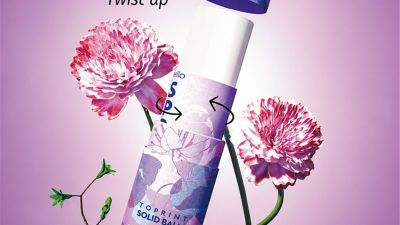
One standout solution is the FSC-certified twist-up paper lip balm tube, designed for those who prioritize eco-conscious materials. Made entirely from biodegradable paper, this innovative packaging features a patented twist mechanism, allowing users to adjust the balm's length with ease. Reports suggest that products made from recyclable materials could help brands reduce their carbon footprint by up to 30%, appealing to the ecologically minded consumer. With options for full-color and Pantone spot printing, this paper tube caters to diverse branding needs while emphasizing sustainability.
Moreover, this lightweight and recyclable packaging aligns perfectly with the recent trend towards minimalism in cosmetic products. Sourcing from reputable suppliers ensures high-quality production and customization, allowing brands to present their products in a way that resonates with their environmentally conscious clientele. As research shows, nearly 70% of consumers are willing to pay more for beauty products packaged sustainably, illustrating that eco-friendly options like the twist-up paper lip balm tube are not just beneficial for the planet, but also for a brand's bottom line.
FAQS
: Sunscreen packaging protects the product from sunlight and moisture, maintaining active ingredient effectiveness.
Opaque or dark containers block harmful light and preserve the formulation's benefits.
Check for secure seals on the packaging. Unsealed products risk contamination.
Pump bottles tend to prevent contamination better than jars. However, pumps can waste product.
Sustainable packaging reduces waste and helps protect aquatic life from harmful chemicals.
Seek recyclable materials and assess the brand’s environmental responsibility commitment.
Children often mistake sunscreen for food, leading to dangerous ingestion incidents.
Reflect on personal choices and research certifications before purchasing products.
42% of parents express concerns about personal care product packaging safety.
Transparent safety features in packaging enhance trust and address consumer safety expectations.
Conclusion
Sunscreen packaging plays a crucial role in ensuring product integrity and safety, safeguarding the contents from environmental factors that could compromise efficacy. Additionally, consumer perception is significantly influenced by how sunscreens are packaged, as attractive and functional designs can enhance brand choices among buyers. The trend towards sustainability in sunscreen packaging is gaining traction globally, as consumers increasingly prioritize eco-friendly options without sacrificing quality.
Moreover, adherence to regulatory compliance is essential for sunscreen products, necessitating specific packaging requirements to ensure safety and effectiveness. Innovative packaging designs not only benefit users by enhancing convenience and usability but also incorporate tamper-proof and child-resistant features, ensuring safety for all consumers. Finally, cost considerations are critical; manufacturers must strike a balance between high-quality sunscreen packaging and associated expenses to remain competitive in the market. Overall, effective sunscreen packaging is key to meeting consumer needs and meeting industry standards.