News, Enterprise Updates
EU PPWR Becomes Applicable: What Changes for the Packaging Industry?
On 12 August 2026, the European Union’s Packaging and Packaging Waste Regulation, commonly known as the PPWR, became generally applicable. Officially designated as Regulation (EU) 2025/40, the Regulation was published in January 2025 and entered into force on 11 February 2025.
The PPWR applies to all packaging placed on the EU market. It introduces harmonised requirements covering packaging design, material use, recyclability, recycled content, labelling and compliance documentation. Its application marks an important transition from broad sustainability commitments towards specific regulatory requirements covering the entire packaging life cycle.
Why Has the EU Introduced the PPWR?
Packaging plays an essential role in product protection, transportation and retail. However, it also consumes substantial amounts of primary raw materials. According to data published by the European Union, approximately 40% of plastics and 50% of paper used in the EU are intended for packaging, while packaging accounts for around 36% of municipal solid waste.
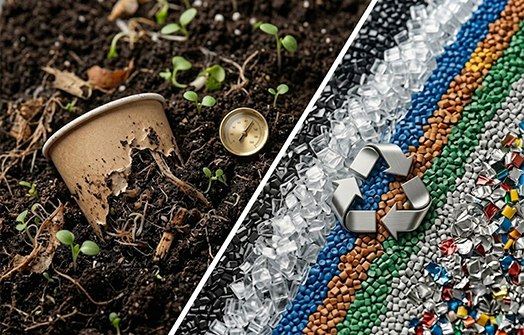
The PPWR is intended to harmonise packaging rules across EU Member States, prevent unnecessary packaging, reduce the consumption of virgin materials and promote reuse, refill and recycling.
What Are the Main Changes Under the PPWR?
1. Packaging Minimisation
The PPWR requires the weight and volume of packaging to be reduced to the minimum necessary to maintain product protection, safety, transportation and functionality.
This does not mean simply reducing packaging strength. Instead, brands and packaging suppliers are expected to optimise dimensions, material thickness, internal structures and component quantities while avoiding unnecessary empty space and excessive packaging.
2. Greater Focus on Recyclability
Design for recycling is one of the central elements of the PPWR. By 2030, packaging placed on the EU market will generally need to meet the recyclability performance grades established under the Regulation. From 2035, its recyclability at scale will also be taken into account.
As a result, packaging developers will need to consider the number of materials used, whether different components can be separated, and whether inks, adhesives, coatings or decorative finishes could interfere with recycling processes.
3. Recycled Content in Plastic Packaging
The PPWR establishes phased minimum recycled-content requirements for different categories of plastic packaging, with several targets applying from 2030.
Where plastic components remain necessary for sealing, dispensing, twist-up, push-up or protective functions, reducing the use of virgin plastic, incorporating post-consumer recycled materials and improving the separation of paper and plastic components will become increasingly important.
4. Harmonised Packaging Labelling
A harmonised EU labelling system for packaging materials and waste sorting is expected to apply progressively from 2028. The system is intended to help consumers identify packaging materials and dispose of packaging correctly.
These requirements will also affect packaging artwork and layout. Brands developing packaging for the European market should therefore monitor the relevant labelling rules and allow sufficient space for future adjustments.
5. Technical Documentation and Supply Chain Traceability
Under the PPWR, packaging compliance will no longer be demonstrated solely through a single test report. Depending on their role in the supply chain, the relevant economic operators may also need to conduct conformity assessments and prepare material information, technical documentation, supporting test evidence, traceability records and an EU Declaration of Conformity.
This will require closer and more transparent information exchange between brands, packaging manufacturers and material suppliers.
How Will the PPWR Affect the Packaging Industry?
The PPWR is changing the way packaging projects are developed. In the past, packaging design may have focused primarily on visual presentation, shelf appeal and user experience. Under the new framework, material efficiency, recyclability, structural separability and supply chain transparency will need to be considered much earlier in the development process.
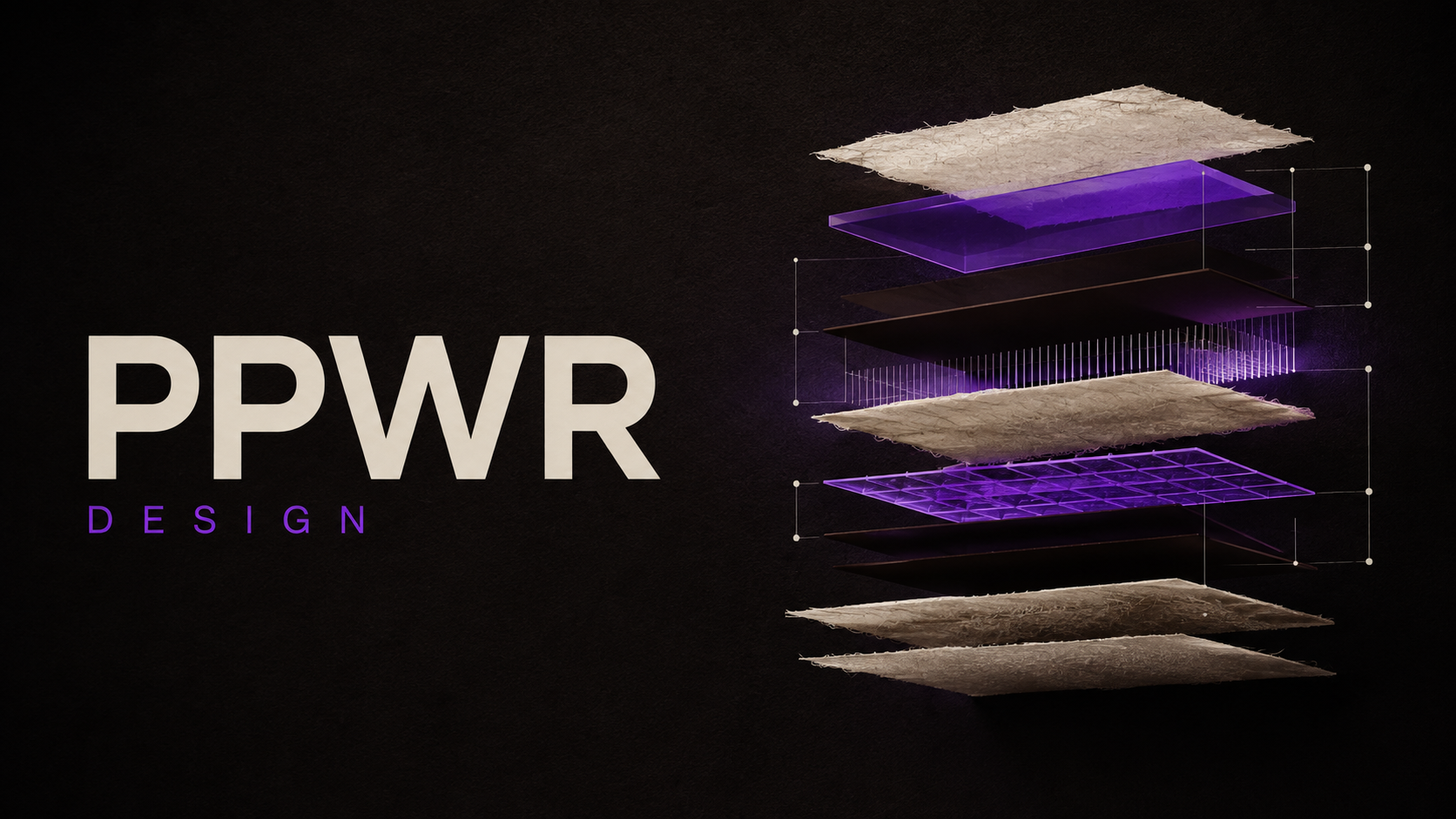
Complex multi-material structures, extensive laminations, components that are difficult to separate, and certain adhesives or coatings may require more detailed assessment of their necessity and their potential impact on recycling.
Paper-based packaging benefits from an established recycling infrastructure and can offer brands additional opportunities to reduce the use of virgin plastic. However, paper-based packaging should not automatically be considered compliant with the PPWR. Its performance will still depend on the complete structure, material combinations, surface treatments and the ability to separate and recover individual components effectively.
Packaging Compliance Is Becoming a Shared Responsibility
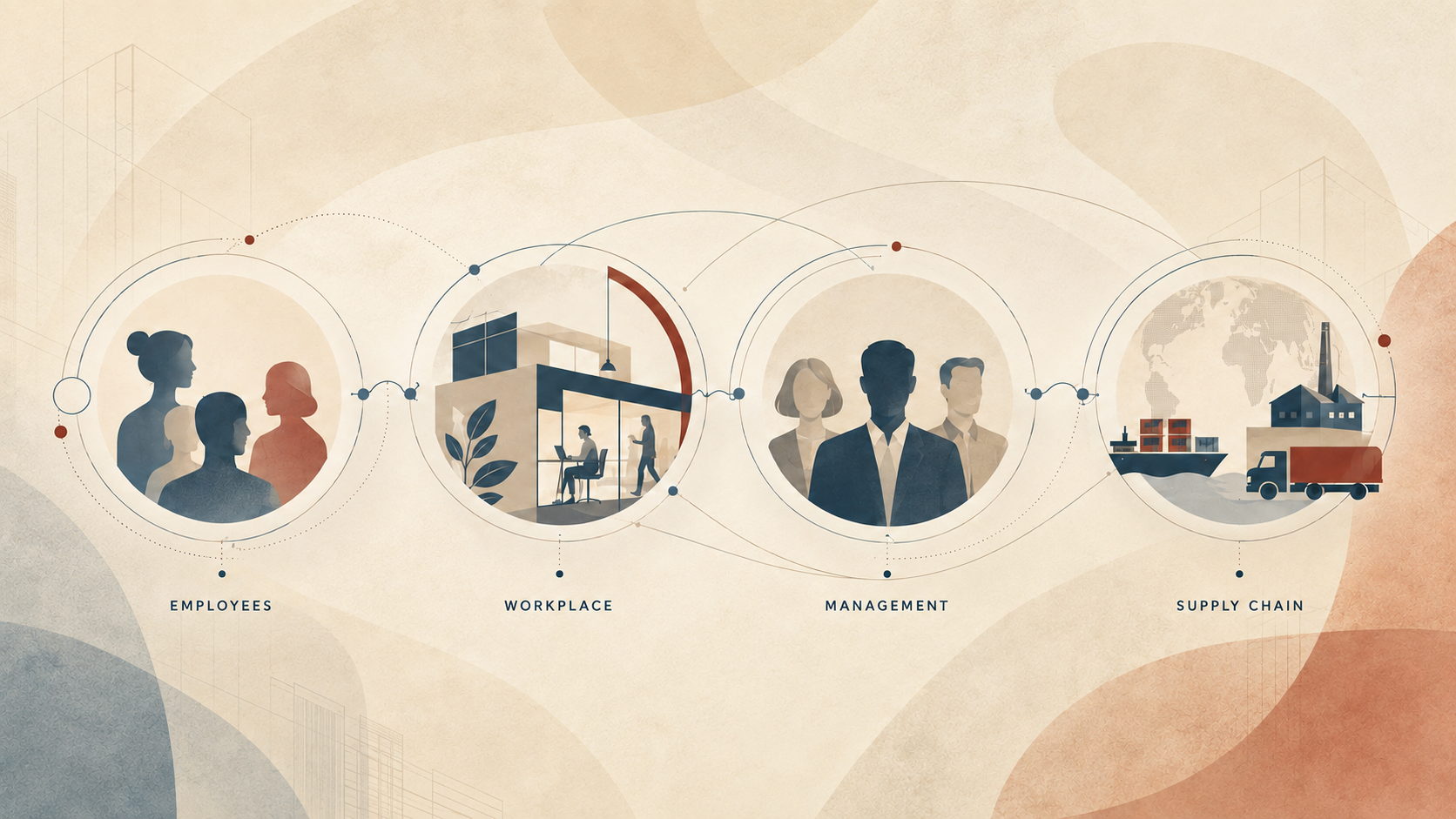
The PPWR affects not only European brands and importers, but also packaging designers, manufacturers and upstream material suppliers. Material selection, structural development, testing and documentation should increasingly be considered at the beginning of a project, rather than added after production has been completed.
As the PPWR is progressively implemented, packaging solutions that balance product protection, brand presentation, material reduction and design for recycling will become increasingly important in the European market.
Nextruct will continue to monitor the development of the PPWR and other European packaging policies. Through paper-based structures, plastic-reduced designs, PCR material applications and customised development, we will continue exploring packaging solutions aligned with evolving market requirements while supporting customers in improving relevant material and compliance documentation.