Leave Your Message
The global beauty, wellness, and dietary supplement industries are undergoing a profound paradigm shift. Historically, these sectors operated in separate silos. High-end cosmetics relied on heavy, multi-material plastics and elaborate finishes to convey luxury, while supplement packaging favored functional, medical-grade amber glass or high-density polyethylene (HDPE) bottles. Today, these worlds have collided. Modern consumers view inner health and outer beauty as interconnected elements of a singular wellness lifestyle. Consequently, the packaging housing these products must reflect this holistic philosophy.
As brands strive to align with environmental values, the demand for sustainable premium packaging has surged. However, transitioning away from plastics presents unique structural and design challenges. Luxury products require a tactile, premium weight, and flawless unboxing experiences to justify their price points. Meanwhile, active wellness formulations, vitamins, and organic cosmetic compounds require robust barrier protection against humidity, light, and oxidation. The modern packaging engineer must therefore synthesize high-level structural design with advanced material science to create solutions that are both luxurious and ecologically responsible.
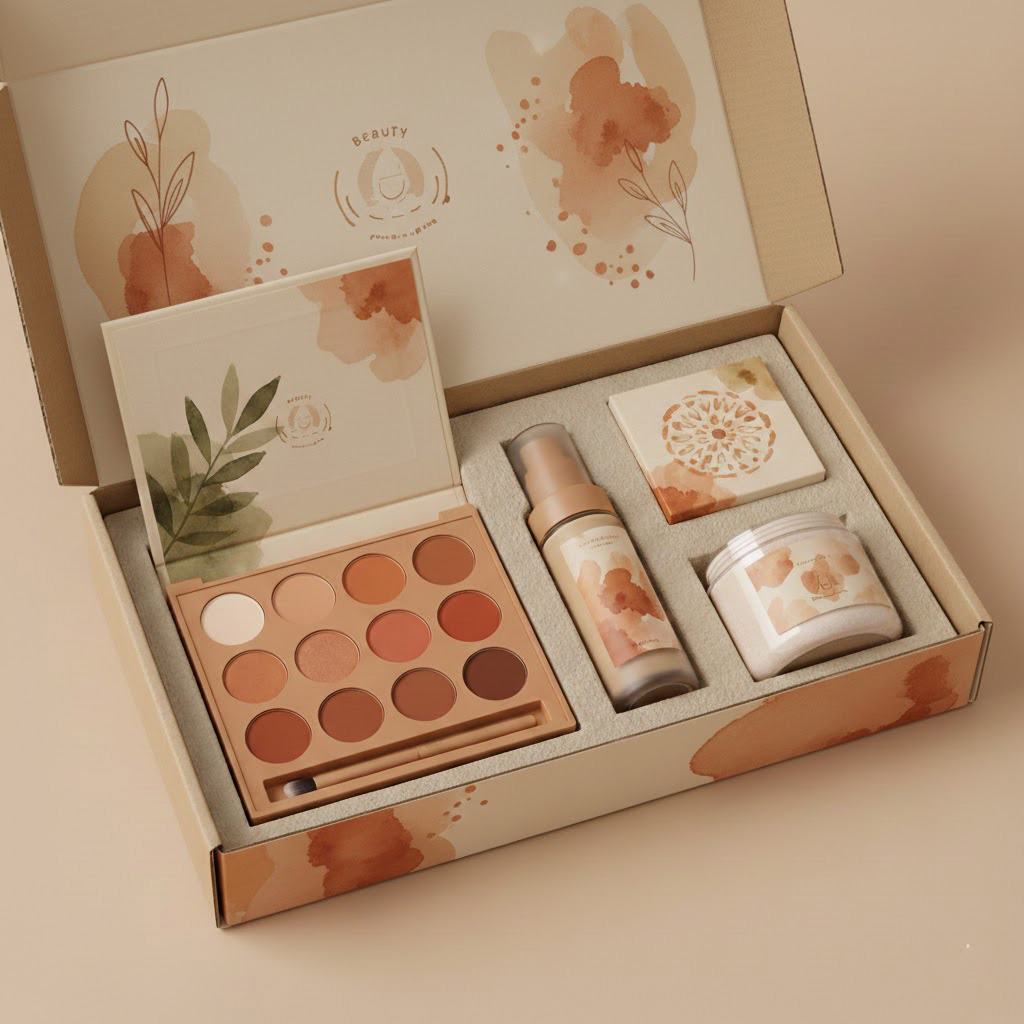
Brands that successfully implement premium, plastic-free packaging achieve significant market differentiation. High-end cosmetic boxes made from responsibly sourced wood fibers and biodegradable barriers not only reduce carbon footprints but also build deep consumer trust. In a crowded digital and physical marketplace, sustainable packaging serves as a silent ambassador, communicating a brand's core values before the consumer even interacts with the product inside.
Several macro-trends are driving innovation in the design and manufacture of high-end cosmetic and supplement packaging:
1. Fiber-Based Structural Alternatives: Plastic vacuums and foam inserts are rapidly being replaced by precision-molded pulp and engineered paperboard structures. These custom-fit internal trays hold cosmetic jars and supplement bottles securely in place during shipping, yet are fully recyclable in standard paper streams.
2. All-Paper Child-Resistant (CR) Mechanisms: For wellness products containing concentrated active ingredients, sleep aids, or botanical extracts, child-resistant packaging is a legal necessity. Historically, this required complex plastic squeeze-and-turn caps. The latest packaging innovations utilize patented, all-paper locking mechanisms that require dual-finger pressure to open, satisfying safety regulations without using a single gram of plastic.
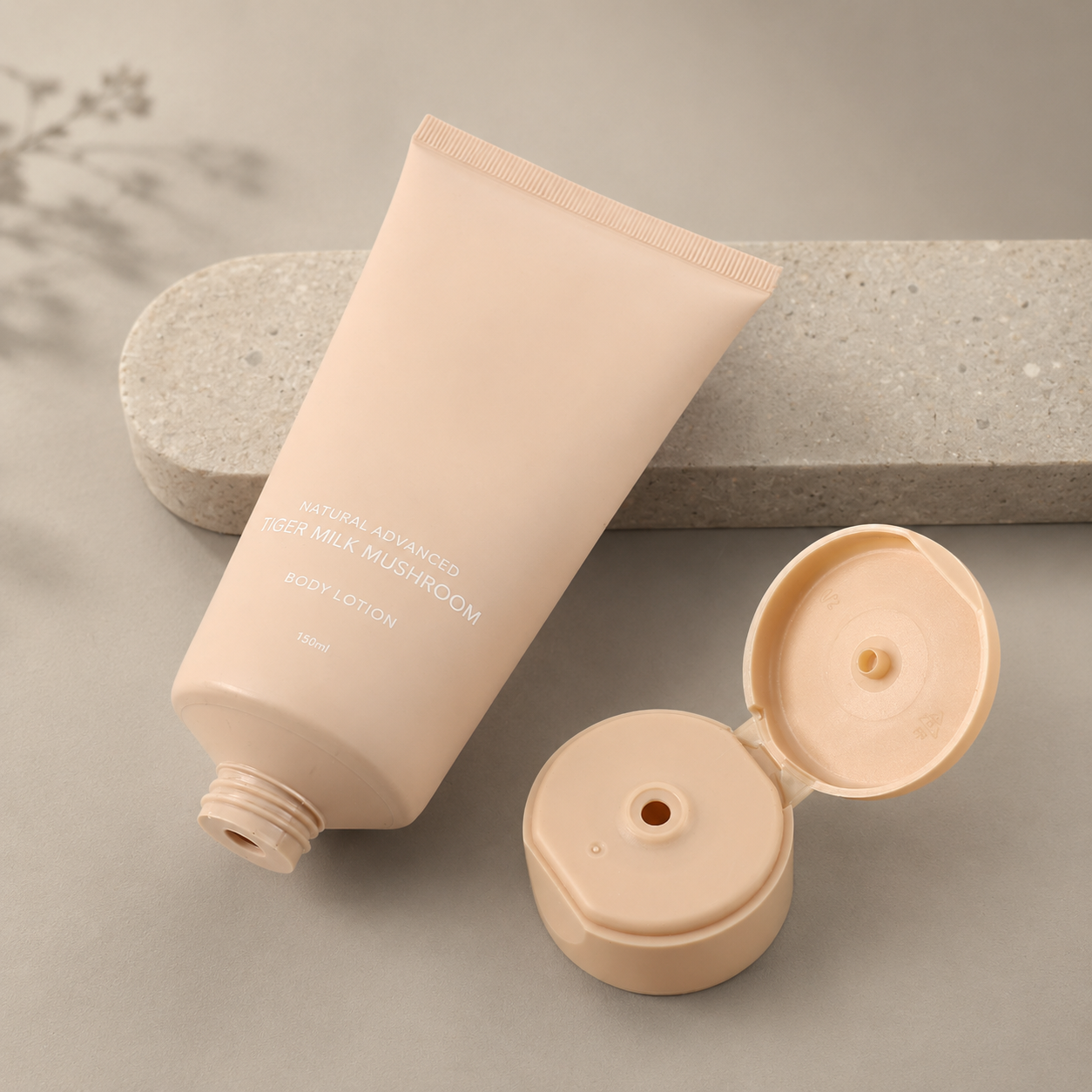
3. Post-Consumer Recycled (PCR) Integration: When flexible packaging is required—such as for skincare creams or powder supplement refills—brands are turning to PCR-PE squeeze tubes. By reclaiming and reprocessing plastics that have already entered the consumer cycle, brands can keep materials in use longer, preventing them from ending up in landfills or oceans.
4. Waterproof and Barrier-Coated Paperboard: Traditionally, paper-based containers were vulnerable to oils, grease, and moisture. Advanced bio-coatings derived from natural plant waxes and starches now allow paper cylinders and rigid boxes to resist liquids and oils, extending their application to wet cosmetics and oil-rich supplements.
Supplements are typically consumed daily, meaning their packaging remains visible on a consumer's vanity or kitchen counter for 30 to 90 days. High-end, reusable cosmetic-style boxes designed with drawer mechanisms or magnetic closures transform supplement consumption from a medical chore into a luxurious self-care ritual. Inside, individual compostable paper sachets or recyclable glass jars are held in place by custom paper inserts, ensuring the brand's premium identity is reinforced with every single dose.
Clean beauty brands that formulate without synthetic chemicals require packaging that mirrors their pure ethos. High-end paper cylinders and rigid cosmetic boxes provide the ideal thermal and physical protection for delicate organic creams and serums. By pairing these outer fiber containers with inner PCR squeeze tubes or lightweight, refillable glass containers, brands achieve a highly sophisticated, multi-layered unboxing experience that is entirely circular.
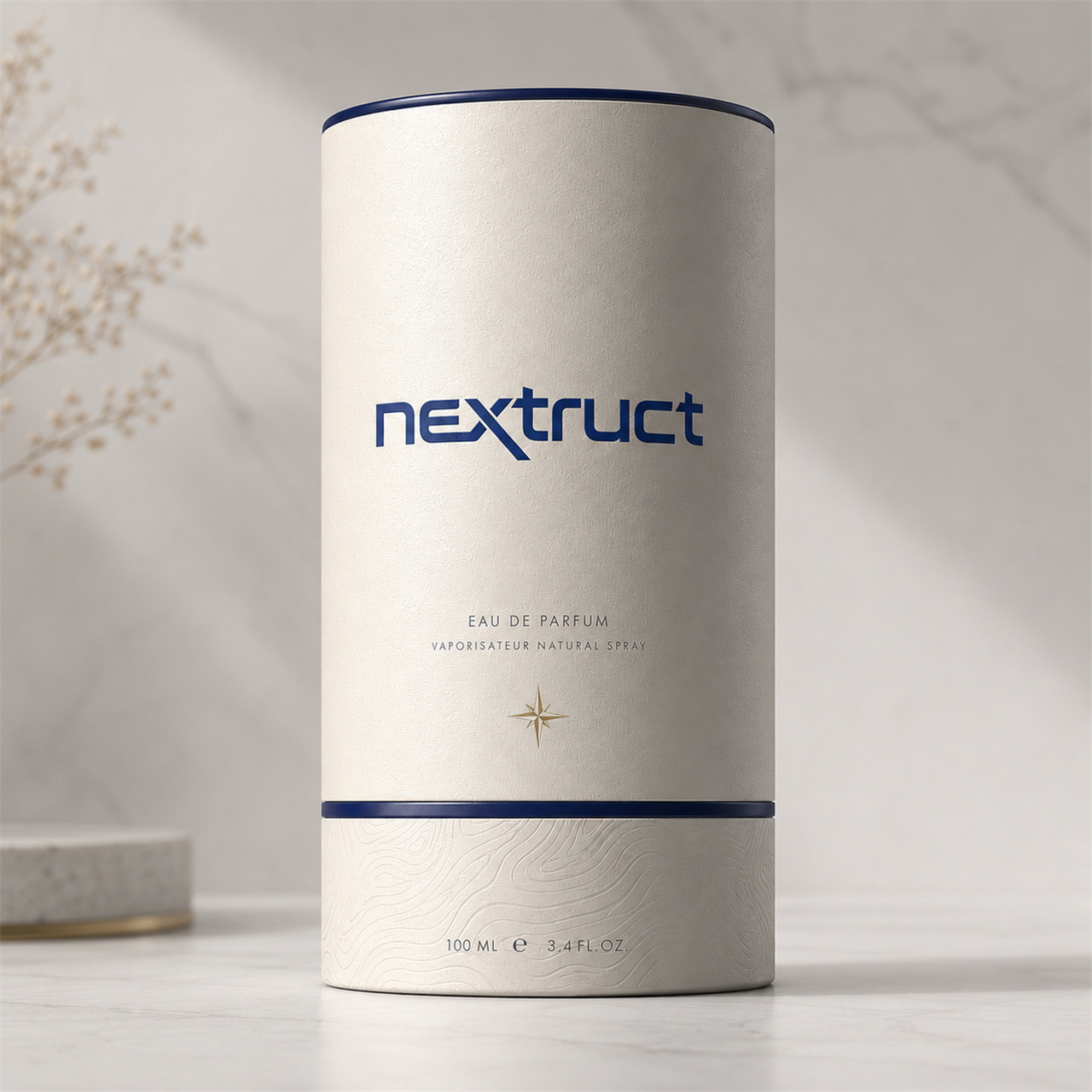
Essential oils, aromatherapy blends, and botanical extracts are highly sensitive to UV light and temperature fluctuations. Robust, thick-walled paper cylinders act as a natural thermal insulator, protecting these delicate liquids during transport and storage. When customized with hot stamping, embossing, and soy-based inks, these cylindrical boxes stand out on retail shelves, conveying an artisanal, high-end heritage.