Leave Your Message
The global cosmetics and personal care industry is undergoing a monumental paradigm shift. For decades, plastics were the default material of choice due to their versatility, low cost, and moisture barrier properties. However, escalating environmental crises have driven governments worldwide to implement aggressive regulatory frameworks. Chief among these is the implementation of plastic taxes—such as the UK Plastic Packaging Tax (PPT), the European Union’s plastic levy, and various Extended Producer Responsibility (EPR) schemes across North America and Asia-Pacific.
These legislative measures levy heavy penalties on packaging that does not contain a minimum threshold of recycled content (typically 30% or more) or is non-recyclable. For prestige cosmetic brands and high-volume personal care companies, these taxes represent a direct hit to net margins. In this context, Paper Packaging Cosmetics has transitioned from a niche marketing trend into a core commercial imperative. By substituting fossil-fuel-based polymers with sustainably sourced, biodegradable, and highly recyclable fiber materials, brands can effectively minimize, or entirely eliminate, their plastic tax liabilities.
Did you know? Transitioning to certified FSC paper-based structures not only bypasses direct plastic taxation but also aligns with the circular economy goals of modern consumers, drastically improving brand equity and retail shelf-appeal.
Industrial manufacturing of paper-based cosmetics packaging has advanced rapidly. Historically, paper packaging was limited by its susceptibility to oils, water, and volatile ingredients commonly found in cosmetics. Today, advanced bio-coatings, natural waxes, and hybrid structures have solved these technical challenges. The industry is witnessing a surge in demand for certified materials like FSC (Forest Stewardship Council) paper, which guarantees responsible forestry management.
Furthermore, packaging manufacturers are integrating structural design with material science. The focus has shifted from simple cardboard boxes to highly functional, complex primary packaging containers, including push-up lip balm tubes, powder jars with sifter mechanisms, and even child-resistant configurations for cannabis-infused wellness products. The commercial landscape is clear: brands that adopt sustainable materials early will secure supply chains, avoid regulatory penalties, and satisfy the growing demographic of eco-conscious consumers.

Nextruct (formerly Toprint) is a Guangdong-based, China-based one-stop sustainable packaging solutions provider, driven by structural innovation.
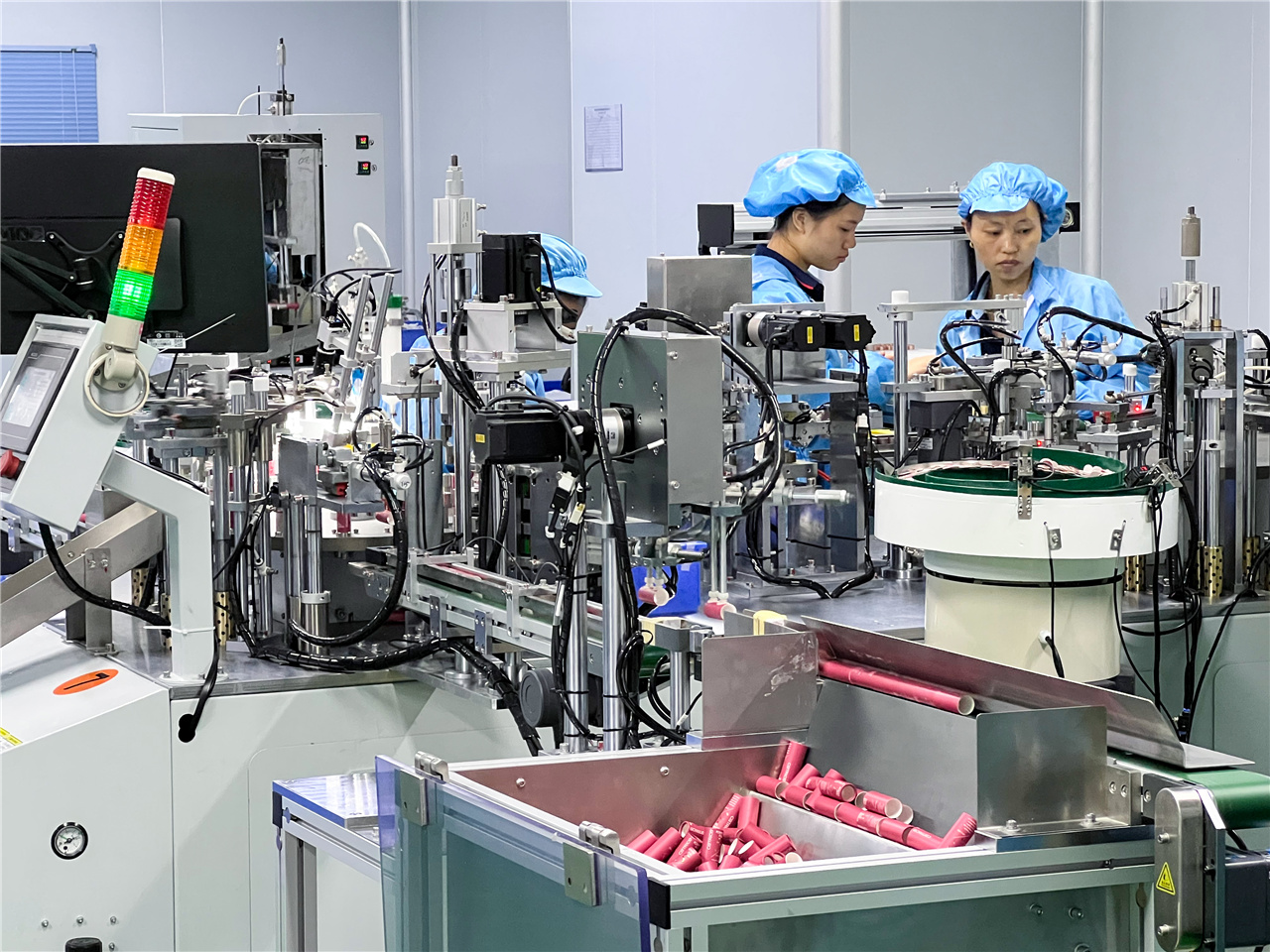
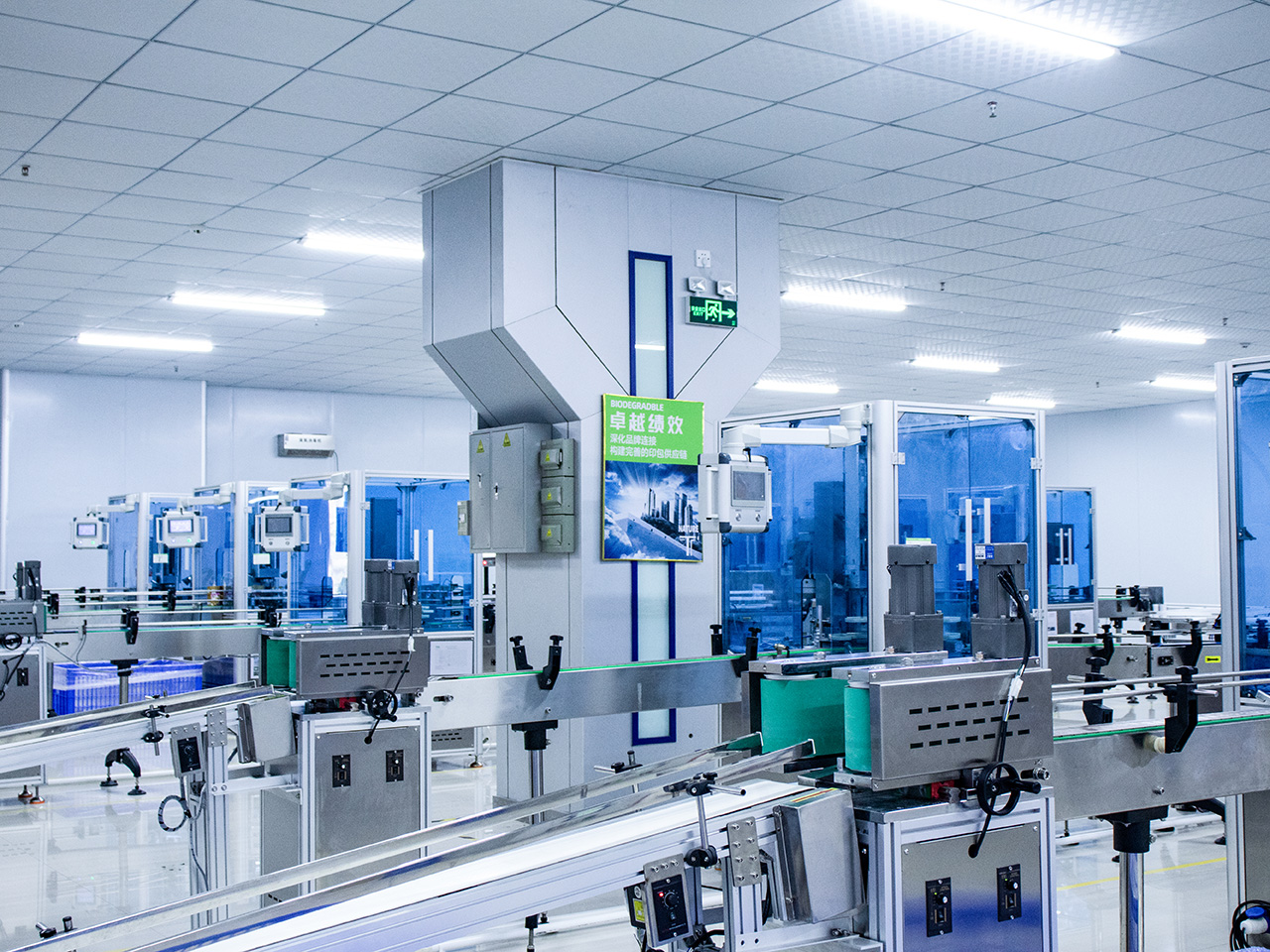
With 14 years of deep industry experience, the company focuses on the research and development of paper-based structures and the integration of sustainable materials, providing high-value, environmentally friendly packaging solutions for global makeup, personal care, and wellness.
Nextruct holds 21 patents for innovative paper-based structures and has won the prestigious 2026 Red Dot Product Design Award.
Through its proprietary paper-based patented technology, combining recyclable glass and recycled plastics, Nextruct enables truly viable sustainable brand upgrades without compromising functionality, strength, or commercial viability.


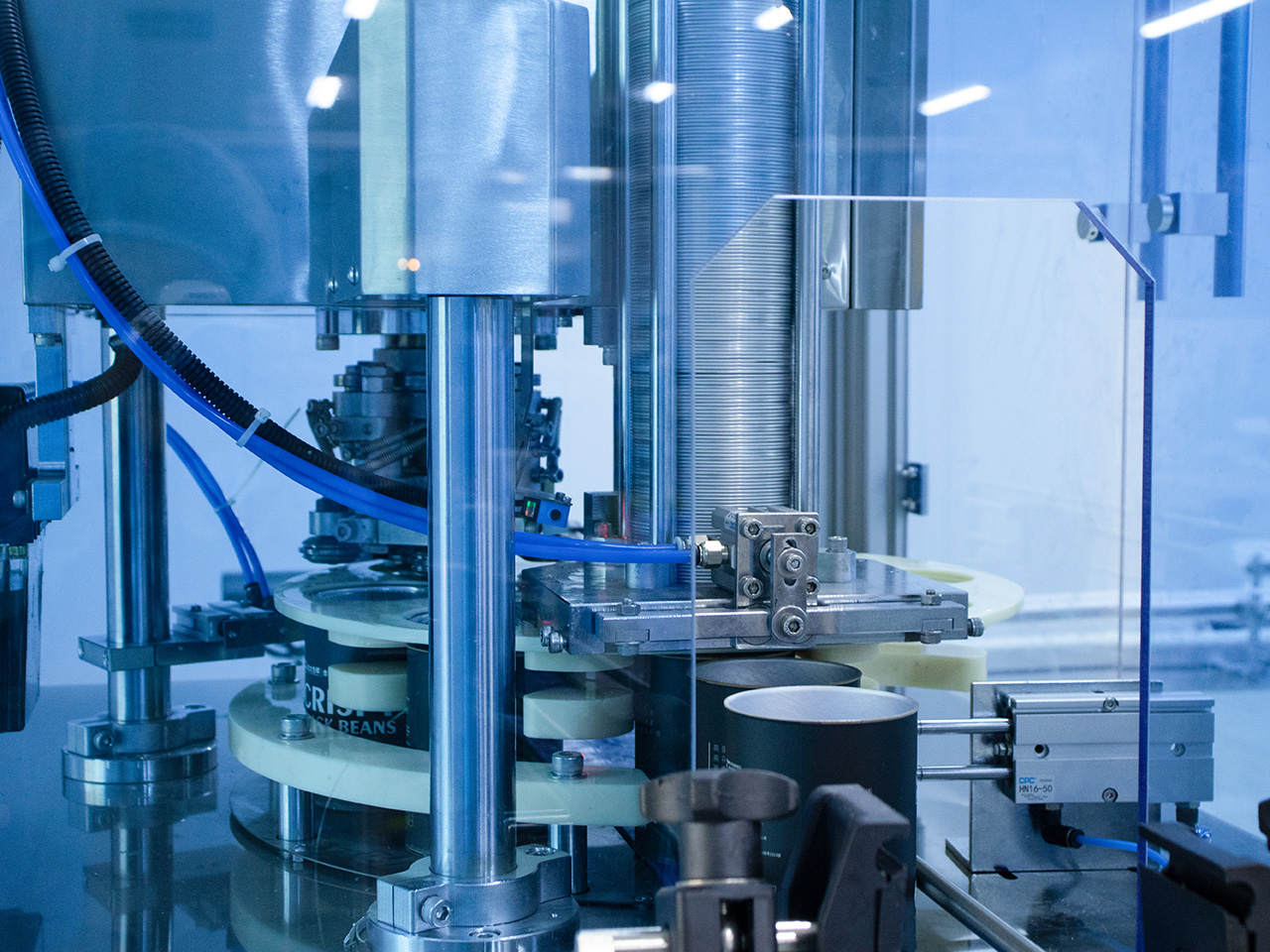
Nextruct bridges the gap between creative aesthetic demands and rigorous engineering requirements, developing packaging that is both highly functional and environmentally compliant.
Engineered paper tubes and canisters designed to withstand high pressure, shipping stresses, and moisture, perfect for premium cosmetics and wellness items.
Proprietary barrier coatings that prevent moisture ingress and oil migration, allowing paper containers to hold liquid and semi-liquid formulations.
Patented all-paper mechanisms that provide certified child-resistant security without relying on single-use plastic locks or slides.
Seamless combinations of fiber structures with recyclable glass or PCR (Post-Consumer Recycled) plastics, minimizing virgin plastic footprint while maintaining premium tactile feel.
Accelerating product launch cycles through in-house structural engineering, rapid 3D prototyping, and high-fidelity graphic modeling.
Transitioning from plastic to paper is not a one-size-fits-all process. Different cosmetic products require tailored barrier properties, structural integrity, and user experiences. Below, we analyze how Nextruct's innovative paper-based packaging addresses specific product categories:
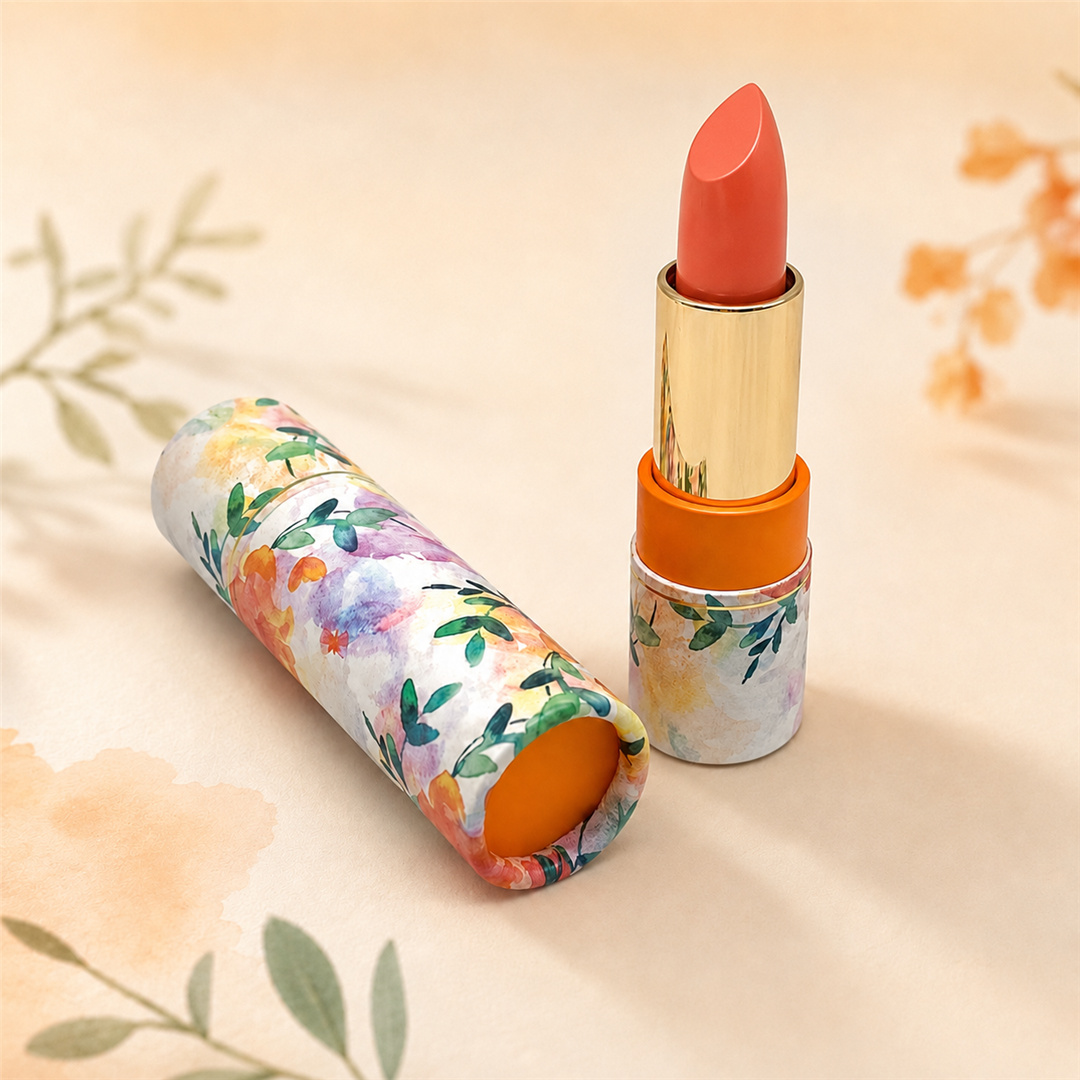
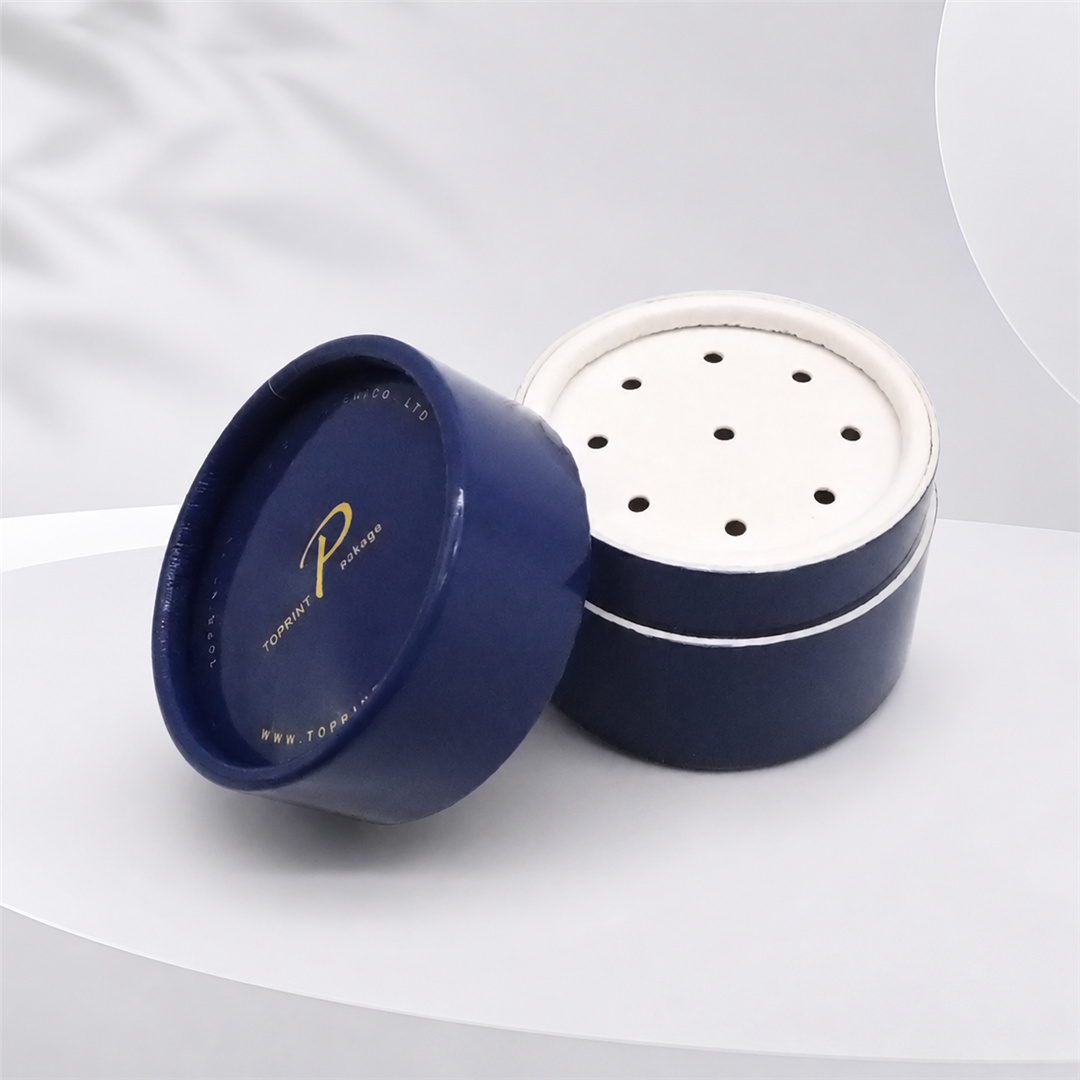
Color cosmetics demand high aesthetic appeal and precise functionality. Traditional lipstick packaging relies heavily on complex multi-material plastic mechanisms that are virtually impossible to recycle. Nextruct's Bespoke Round Paper Lipstick Tube reduces plastic components to the absolute minimum, substituting the outer casing with premium FSC-certified paper. Similarly, the Custom Paper Loose Powder Jar offers a lightweight, highly biodegradable alternative to heavy acrylic jars. These components can be customized with intricate foil stamping, embossing, and soy-based printing to maintain a luxury feel while evading plastic tax penalties.
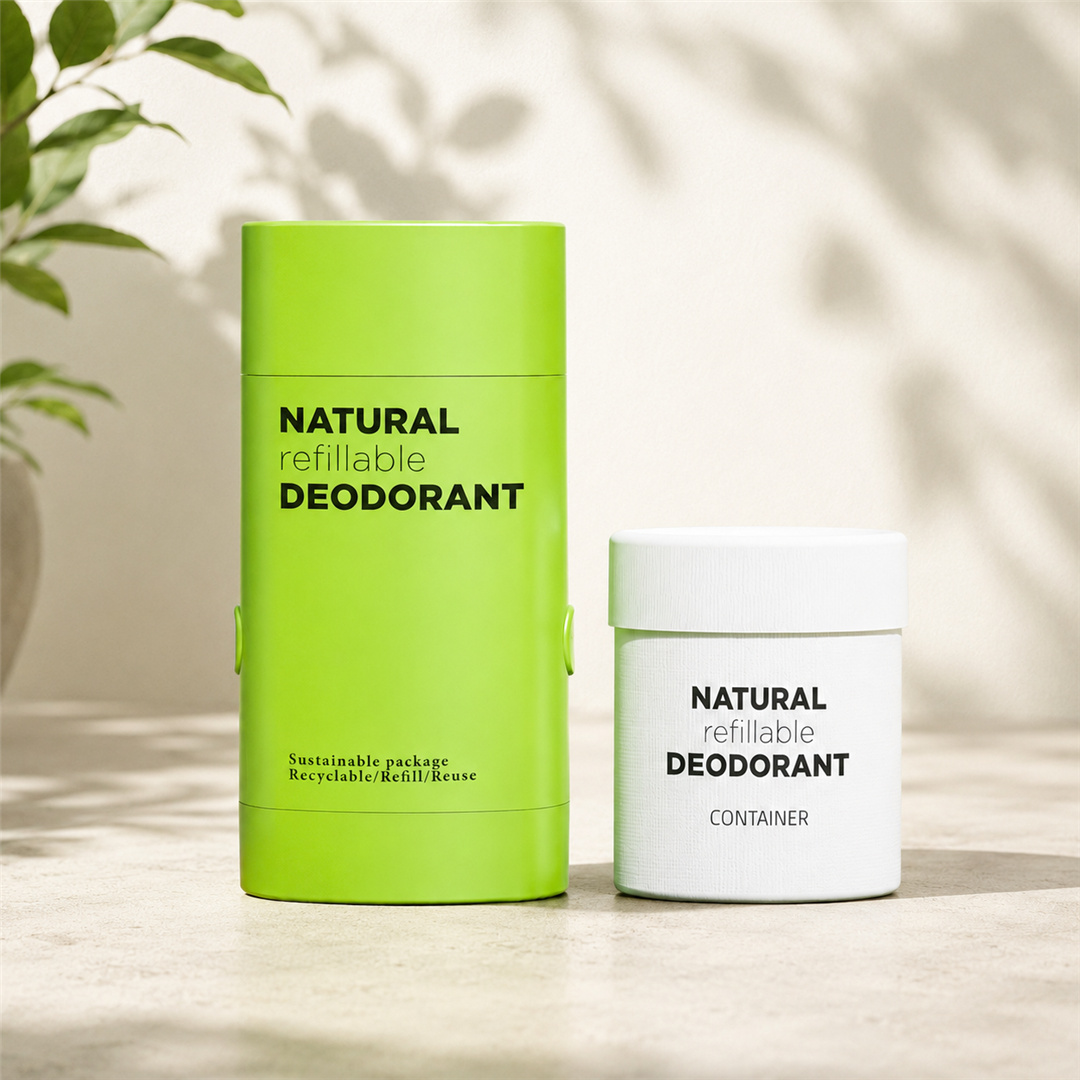
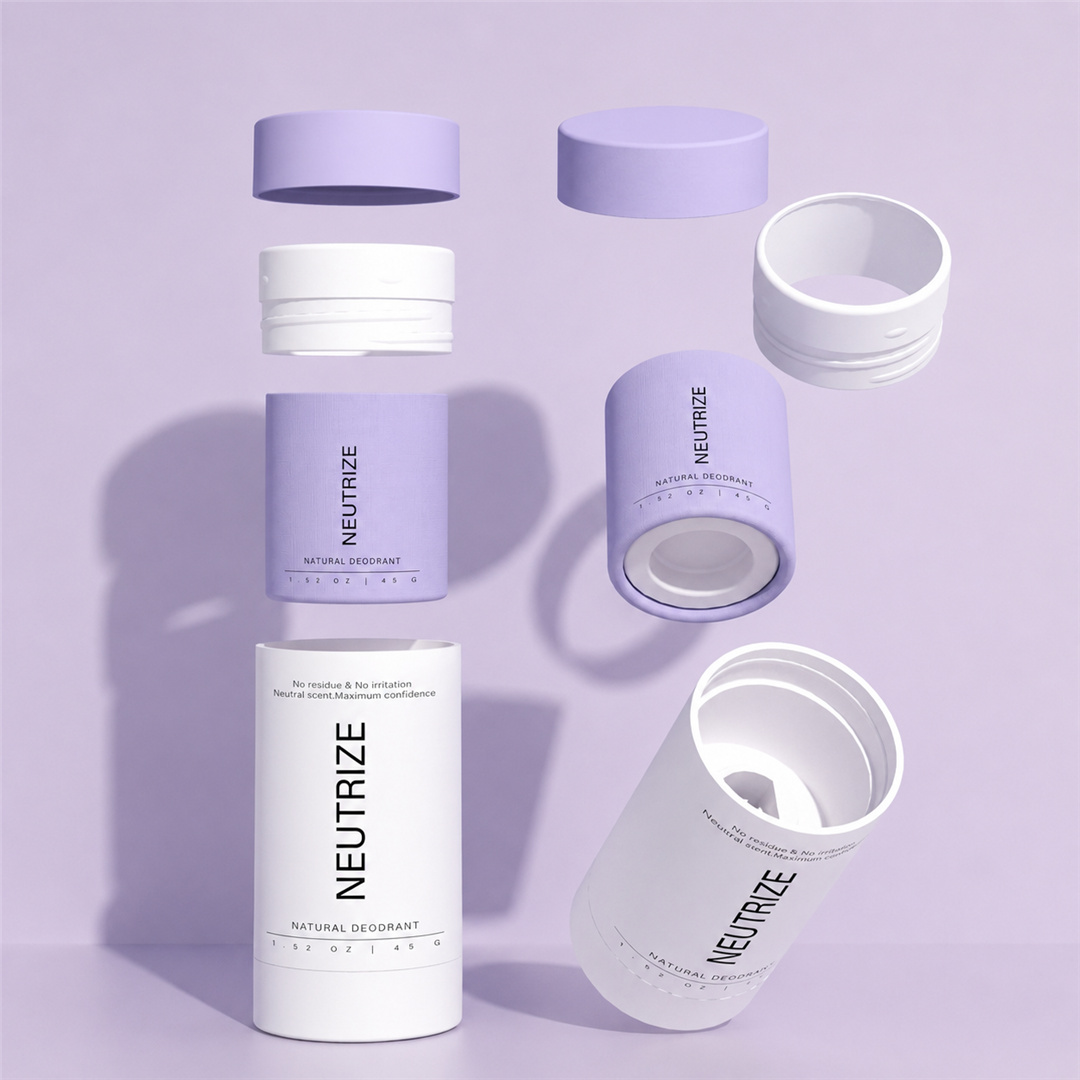
Personal care products like deodorants, body balms, and solid moisturizers are consumed in high volumes, contributing significantly to plastic waste. The Sustainable PCR-PP Deodorant Container with FSC Paper Refill and the Oval Refillable Balm Tube with FSC Paper Insert represent the future of circular personal care. By utilizing a durable, reusable outer shell made of PCR-PP paired with a fully compostable FSC paper refill insert, brands can reduce their plastic usage by over 70%. The consumer simply replaces the inner paper cartridge, reducing waste and tax liabilities simultaneously.
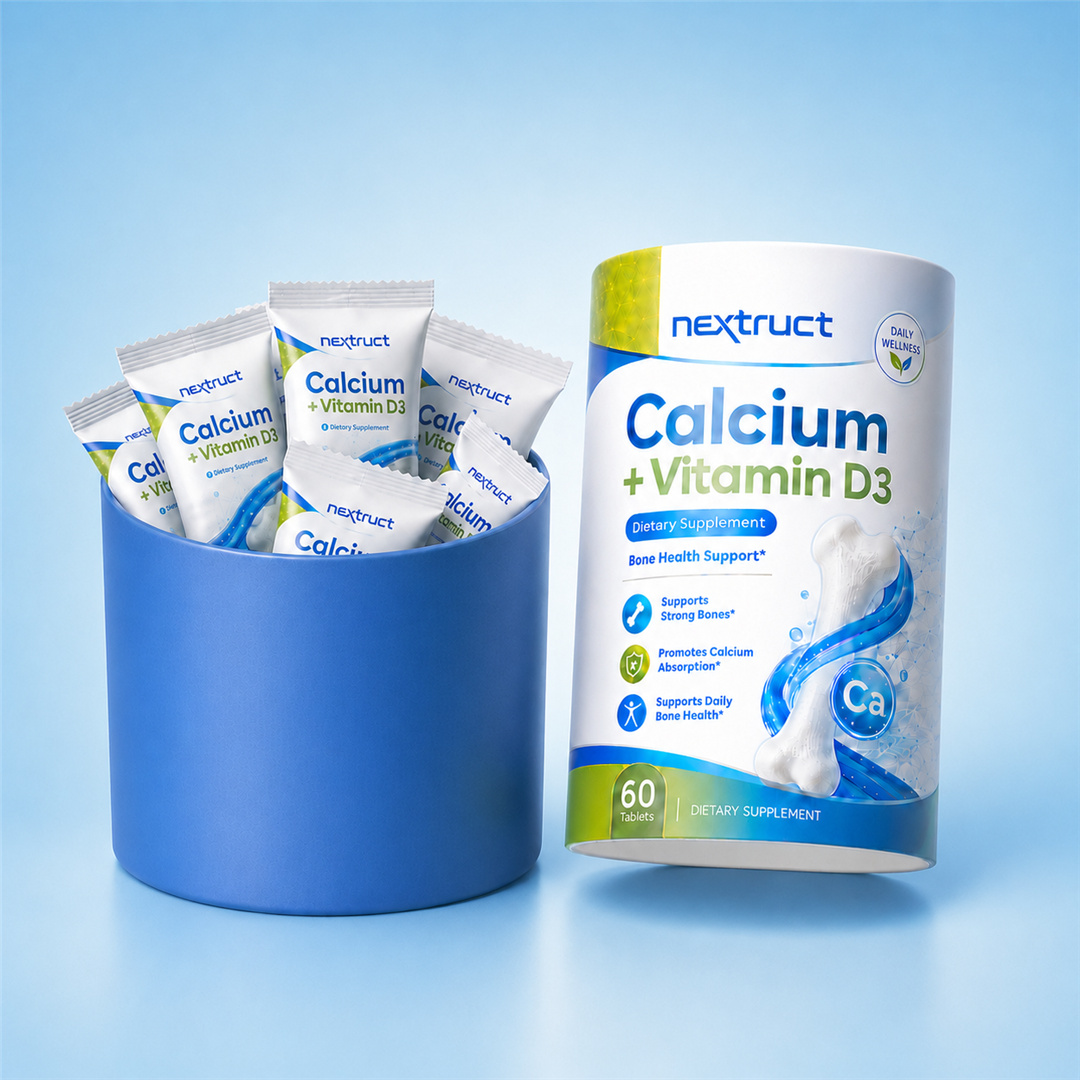
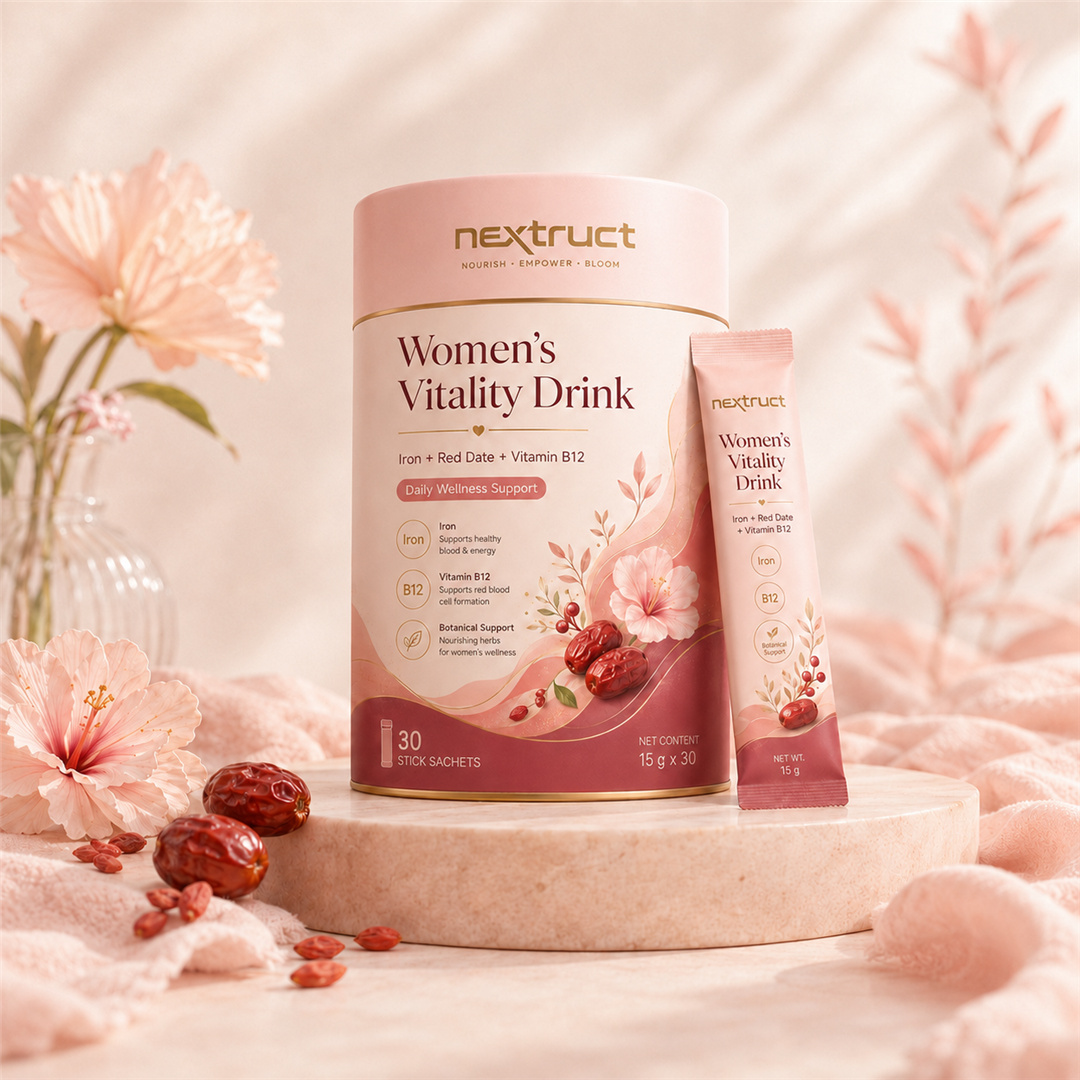
The wellness and supplement market has exploded, with gummies, vitamins, and powders leading the growth. Nextruct's Custom Paper Sleeve Tube for Supplements offers a robust barrier against light and oxygen. These thick-walled fiber tubes protect active ingredients without the need for virgin plastic bottles. The tactile warmth of the natural paper sleeve communicates organic purity and sustainability directly to the consumer at the point of sale.
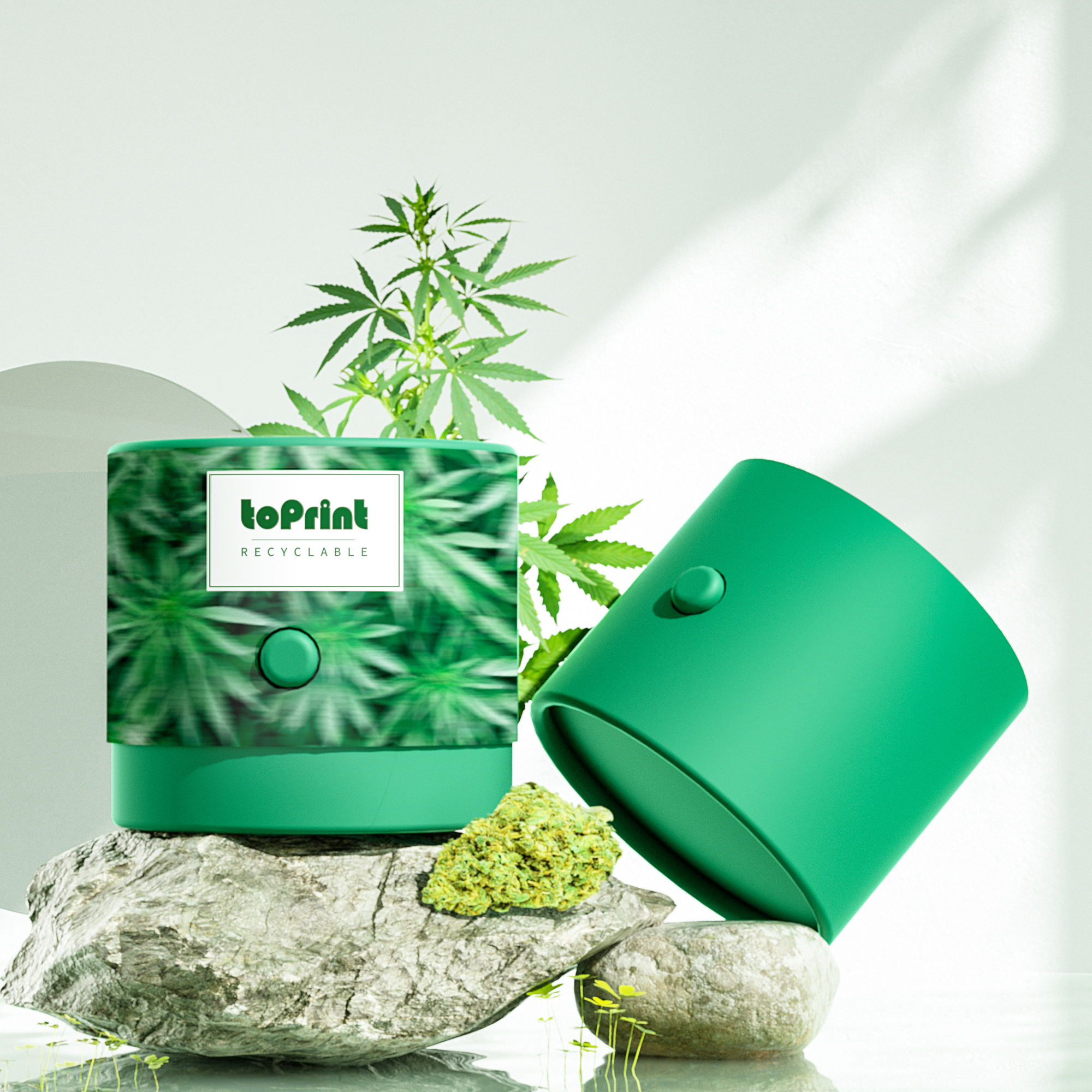
Emerging markets like CBD gummies and electronic vaporizers face strict regulatory requirements, particularly regarding child safety. Historically, child-resistant (CR) packaging meant thick, multi-part plastic boxes. Nextruct’s Child-Resistant All-Paper Container and Eco-Friendly Biodegradable CR Paper Packaging utilize innovative internal locking tabs made entirely of paper. This achieves certified child-safety compliance while maintaining a 100% biodegradable footprint, shielding brands from both compliance penalties and plastic taxes.
As we look toward 2030, the integration of technology and packaging design is accelerating. Artificial Intelligence (AI) is now used to simulate stress tests and barrier performance in paper-based structures, drastically reducing prototyping times. By using AI-driven structural modeling, Nextruct optimizes the thickness of fiber walls, ensuring maximum strength using the minimum raw material weight. This not only lowers logistics costs but also minimizes the overall environmental footprint.
Furthermore, the development of water-based, biodegradable barrier coatings is replacing traditional plastic laminates. These new coatings allow paper packaging to be repulped easily in standard paper recycling streams, achieving a true closed-loop cycle. Brands that transition to these advanced materials now will be insulated from future, more stringent legislative changes, positioning themselves as authentic leaders in ecological stewardship.