Leave Your Message
In the contemporary packaging landscape, the demand for sustainable materials has transitioned from a niche consumer preference to a foundational industrial mandate. As global regulatory frameworks tighten around single-use plastics, brand owners, packaging supplies boxes manufacturers, and structural designers are actively seeking high-performance alternatives. Among these alternatives, paper tube packaging has emerged as a frontrunner due to its rigid structural integrity, circular lifecycle, and premium aesthetic appeal.
However, the transition from plastic containers to fiber-based alternatives introduces a complex engineering challenge: ensuring complete containment of liquid, semi-liquid, and volatile formulations. This is where the strict design requirements for leak-proof paper tubes become critical. Traditional paper tubes, while excellent for dry goods, are inherently porous and susceptible to capillary action, absorption, and structural degradation when exposed to moisture, oils, or solvents. Consequently, the development of leak-proof paper tubes requires a multi-faceted design approach that combines material science, barrier technology, and advanced structural engineering.
“The modern packaging supply chain is no longer just about containment; it is about combining barrier performance with absolute compostability or recyclability. Achieving zero-leakage in a paper-based format represents the pinnacle of modern structural packaging design.”
To successfully replace plastic or metal containers with fiber-based tubes for moisture-sensitive or liquid products, engineers must adhere to several rigorous design parameters. These requirements span the entire manufacturing process, from raw material selection to closure mechanisms:
The primary defense against leakage is the inner lining of the paper tube. Traditional plastic coatings like polyethylene (PE) make the tube waterproof but compromise its recyclability. Modern design requirements dictate the use of eco-friendly, biodegradable, or highly recyclable barrier materials. Water-based dispersion coatings, Polylactic Acid (PLA), Polybutylene Succinate (PBS), and bio-wax formulations are engineered to repel water, oils, and grease without interfering with the repulping process during recycling.
A paper tube is typically formed by spiral winding multiple plies of paperboard around a mandrel, bonded by adhesives. The seams where these plies meet are potential leak paths. Leak-proof paper tube design requires precise overlap control, specialized high-tack, moisture-resistant adhesives, and advanced sealing techniques. In many high-performance applications, ultrasonic welding or heat-sealing of the inner barrier layer at the seam is utilized to create an uninterrupted, hermetic seal.
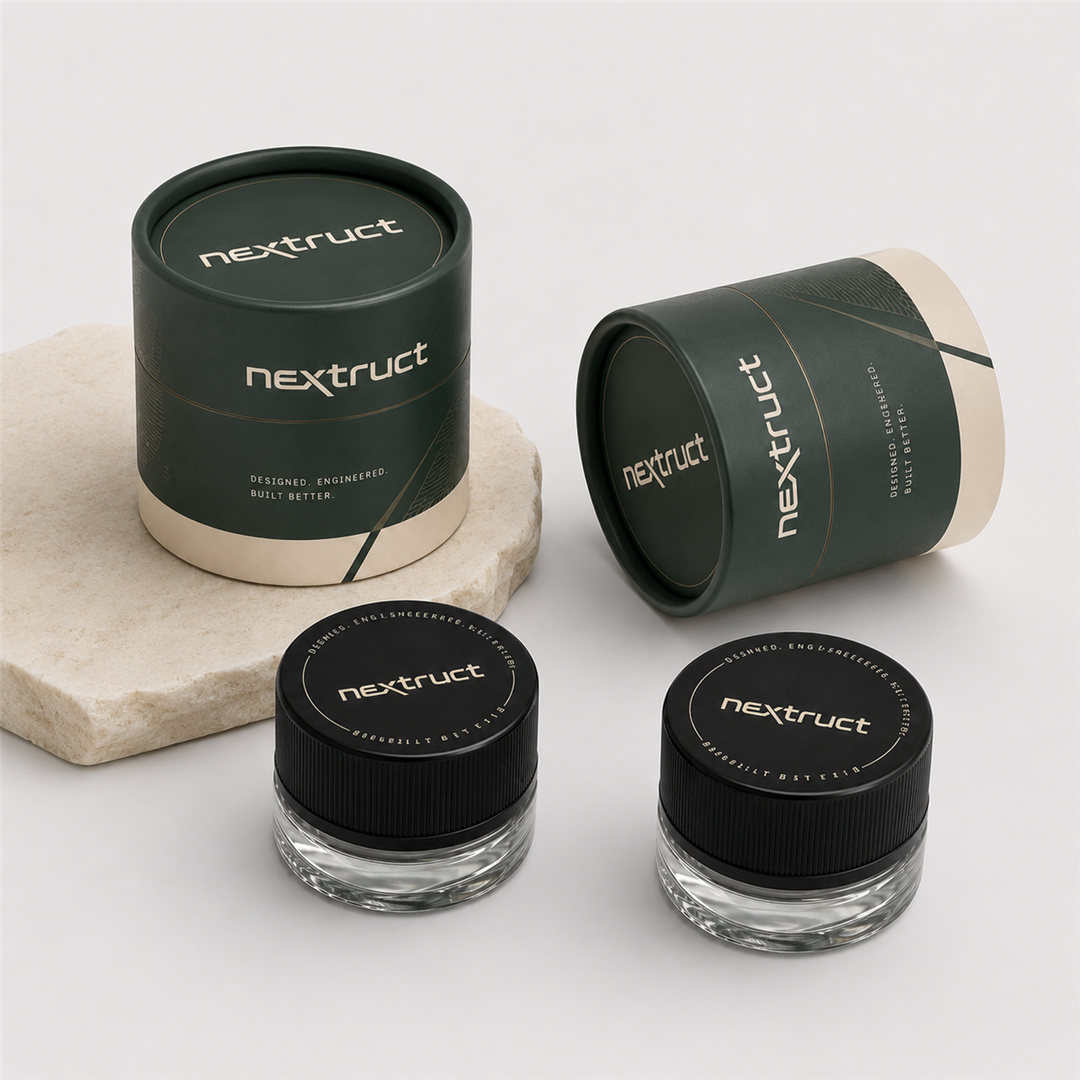
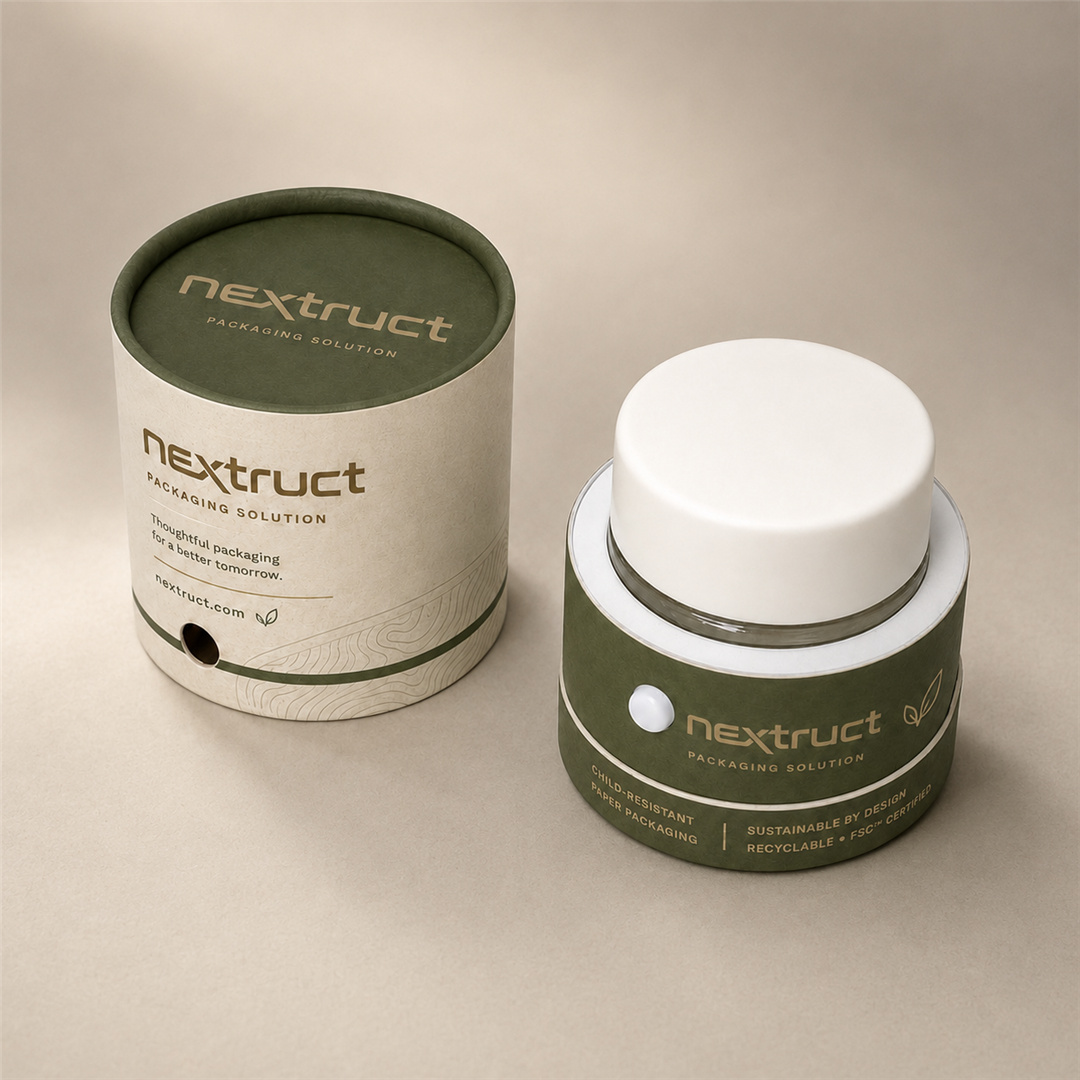
The interface between the tube body and its closure is a critical failure point for fluid containment. Design requirements for leak-proof paper tubes specify tight tolerance controls to ensure friction fits or screw-thread engagement remain secure under varying environmental conditions. For products containing volatile compounds, essential oils, or active cosmetic ingredients, designers often integrate hybrid structures—such as combining the structural paper outer tube with a recyclable glass jar or a post-consumer recycled (PCR) plastic liner.
During transportation and retail display, packaging supplies boxes and tubes are subjected to significant vertical and lateral loads. If a tube deforms under pressure, the integrity of the inner barrier can be compromised, leading to micro-cracks and subsequent leakage. Therefore, the structural design must calculate the optimal thickness and density of the paperboard plies to withstand compression forces while minimizing material weight.
The application of leak-proof paper tubes spans multiple high-value industries, each presenting unique challenges that require tailored engineering solutions:
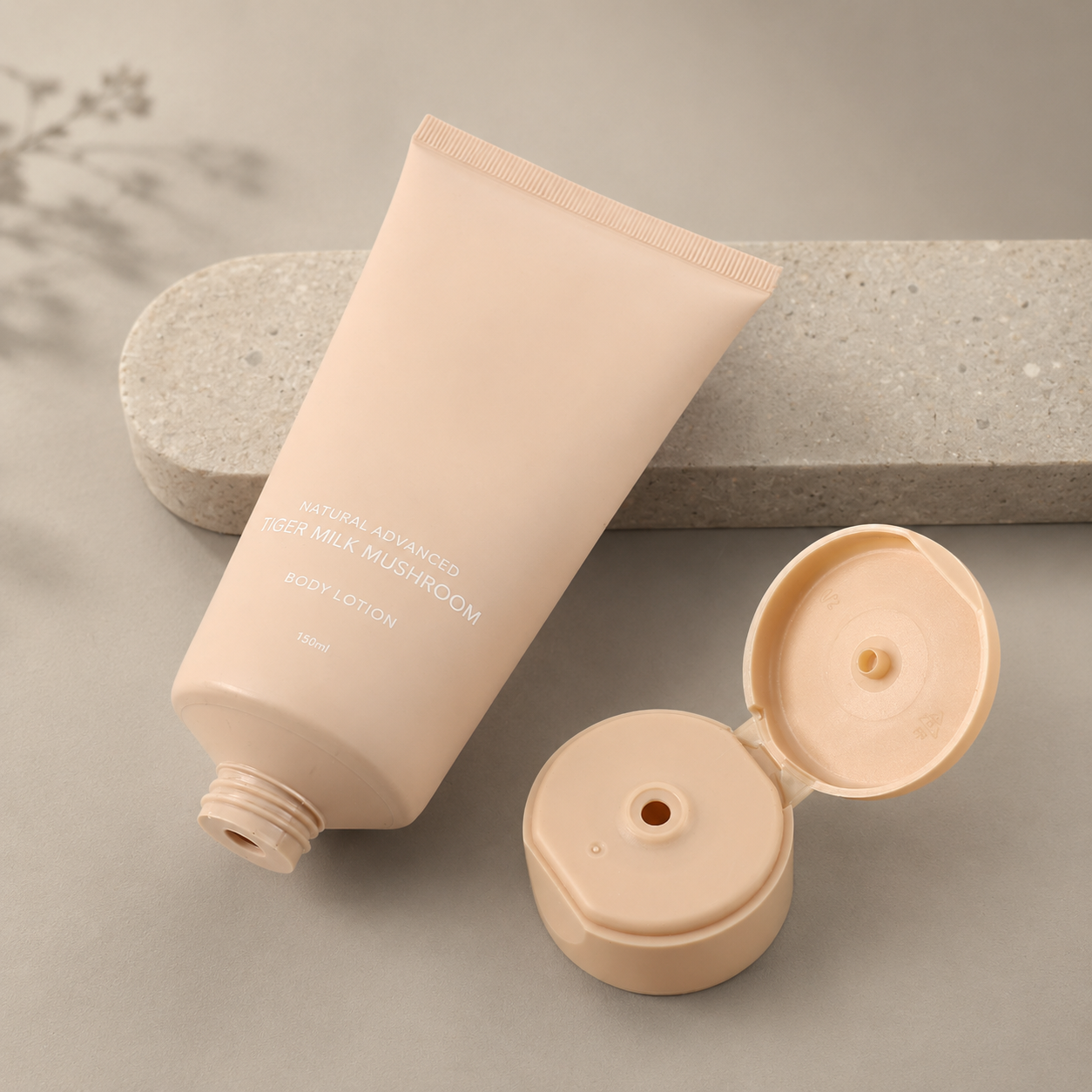
From solid deodorants and lip balms to viscous creams and serums, the cosmetic industry is rapidly adopting paper-based packaging. Solid formulations require the tube to withstand hot-filling processes, where the product is poured in a liquid state and solidifies inside the packaging. The paper tube must not absorb the oils or allow them to seep through the paperboard, which would cause unsightly staining and structural softening. Custom PCR-PE squeeze tubes and paper-based cosmetic tubes with advanced barrier linings solve this issue by offering flexible extrusion properties with uncompromising barrier protection.
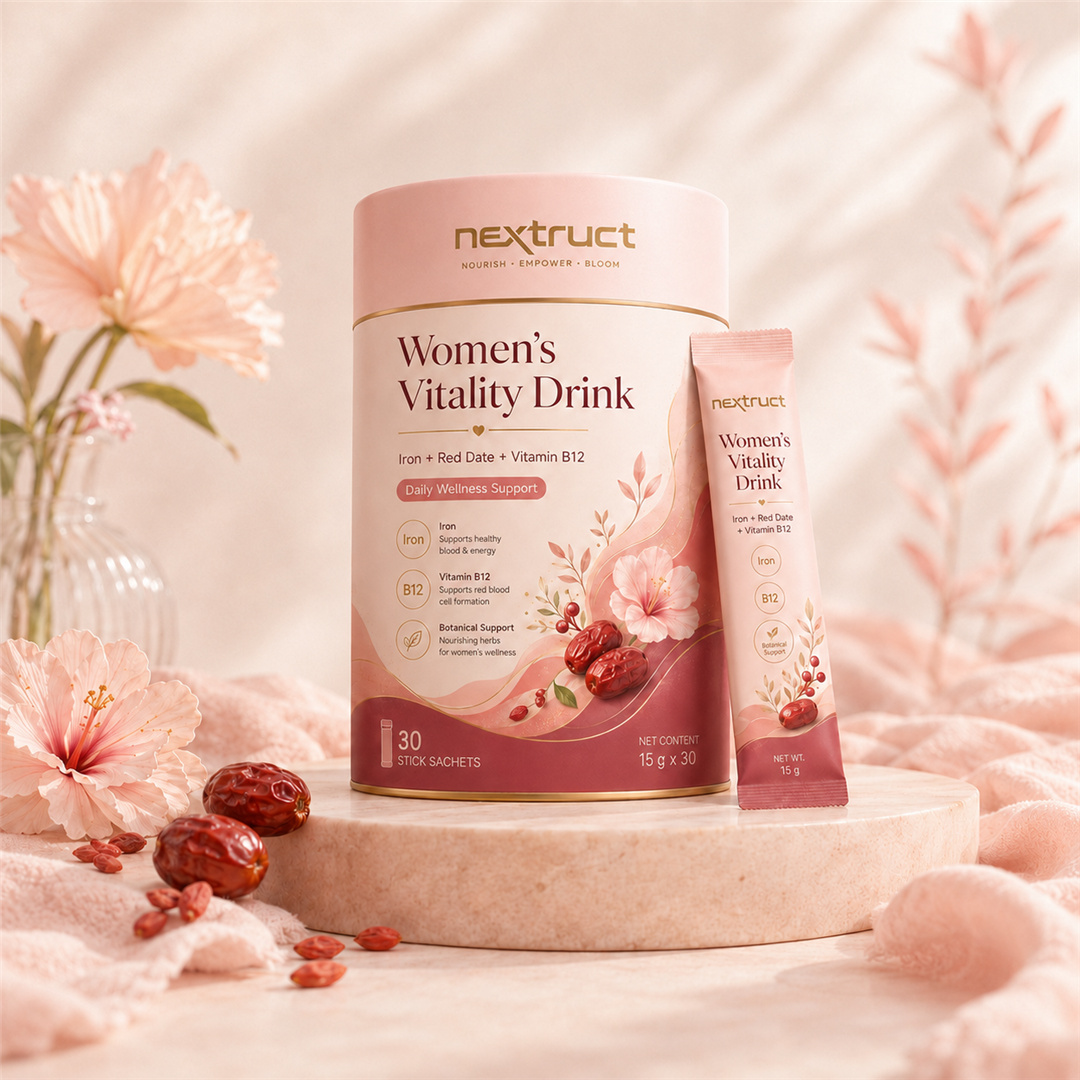
Powdered supplements, effervescent tablets, and herbal formulations are highly hygroscopic; they readily absorb moisture from the surrounding air. In this scenario, the leak-proof design requirement is reversed: the packaging must prevent moisture from leaking *into* the tube. Metallized paper barriers or biodegradable high-barrier foils are integrated into the inner plies to achieve a low Water Vapor Transmission Rate (WVTR), extending the shelf life of the premium contents.
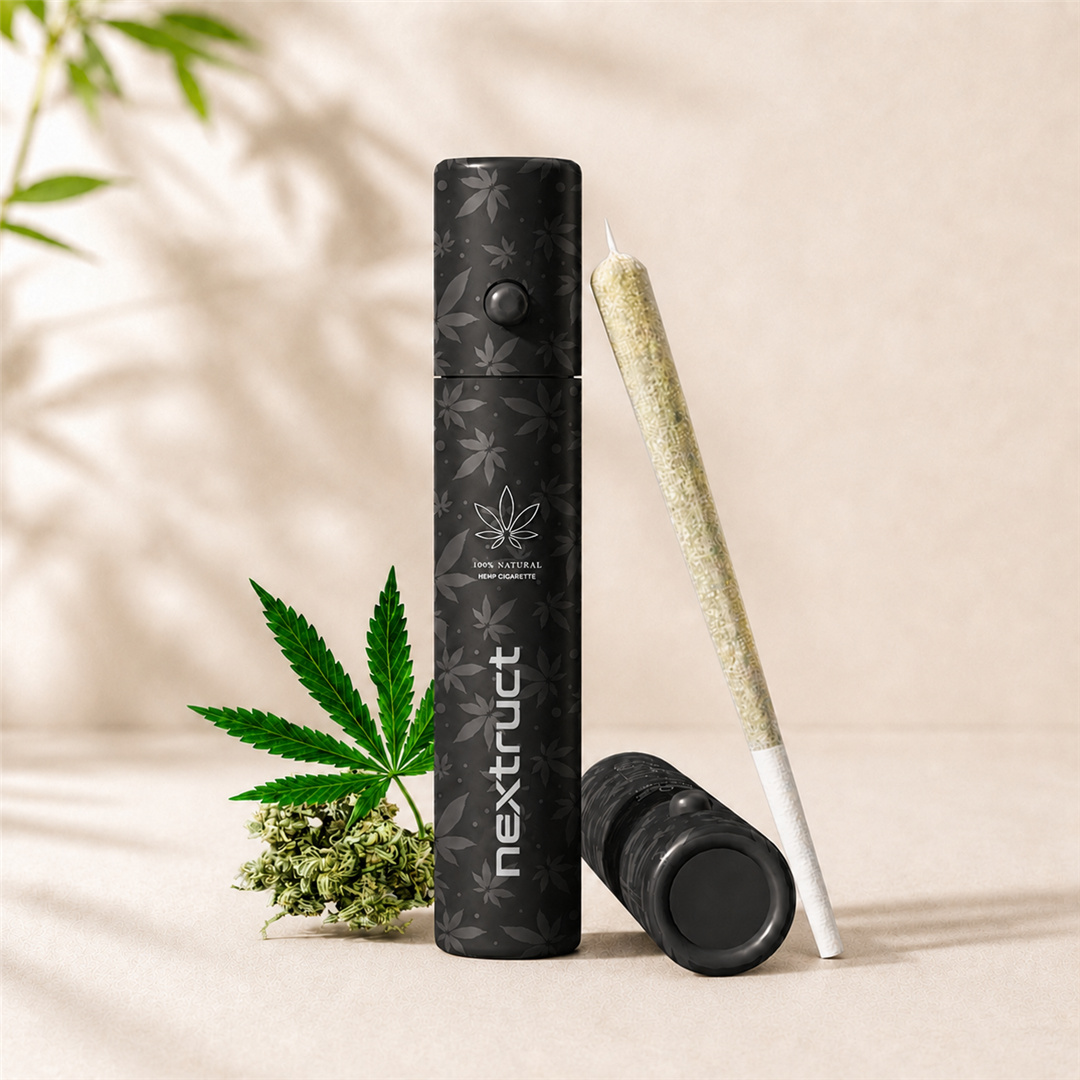
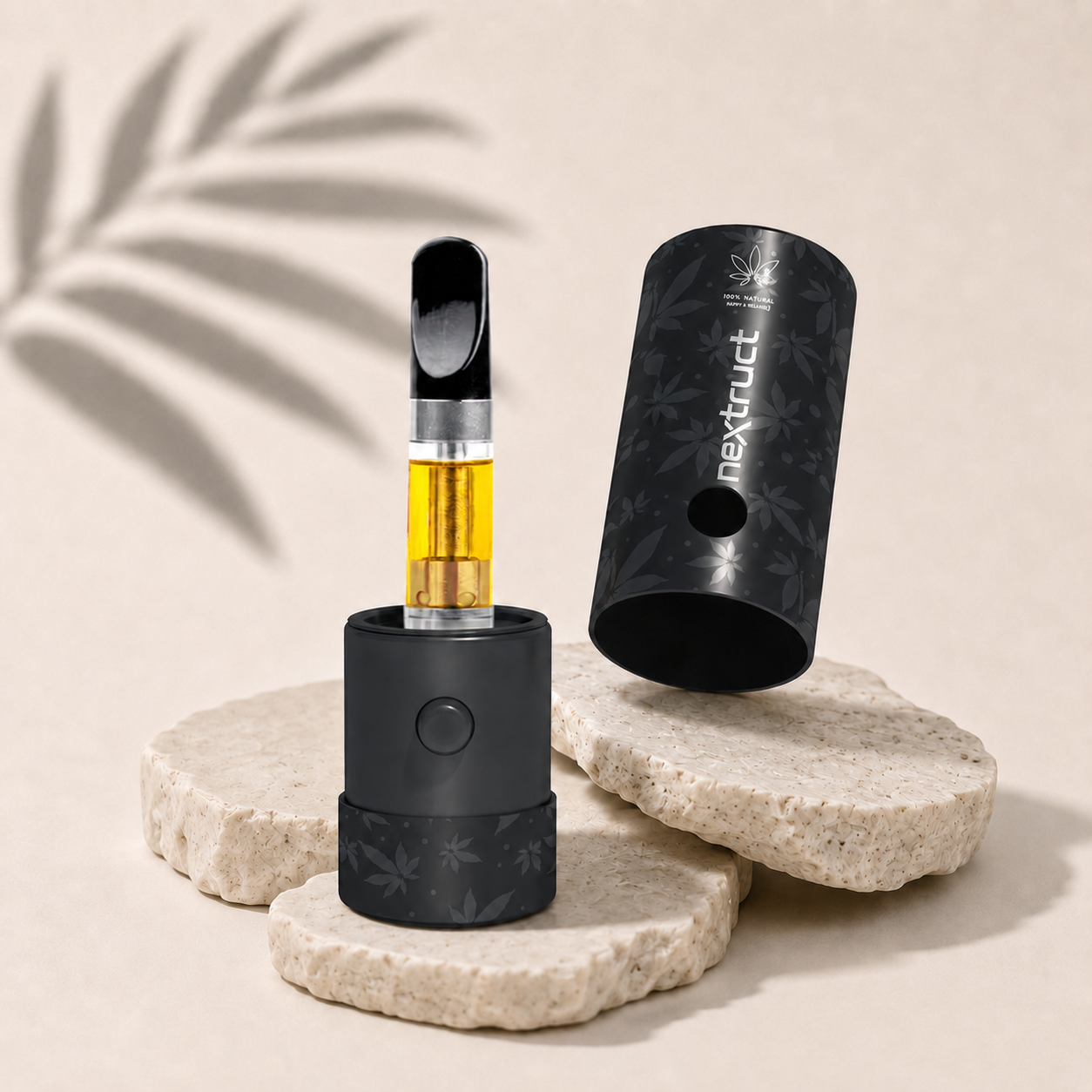
The vape and concentrate industry requires specialized child-resistant (CR) packaging that also prevents the leakage of aromatic terpenes and viscous oils. Paper tubes designed for this sector incorporate dual-locking mechanisms and inner glass or PCR-plastic inserts, providing a secure, compliant, and leak-proof solution that aligns with strict regulatory standards.


As the global market matures, the engineering requirements for packaging supplies boxes and fiber containers continue to evolve. Several key trends are shaping the future of this sector:
The integration of Artificial Intelligence and advanced simulation software allows packaging engineers to model the behavior of paperboard fibers under stress and liquid exposure before physical prototypes are manufactured. By simulating moisture absorption and structural load distribution, designers can optimize the thickness, ply orientation, and barrier coat application. This speeds up development cycles and ensures that the leak-proof paper tube meets the exact requirements of the target formulation.
Research into nanotechnology has introduced Microfibrillated Cellulose (MFC) and Nano-crystalline Cellulose (NCC) as potential barrier coatings. These materials, derived from natural wood fibers, create an extremely dense network that blocks oxygen, water vapor, and oils. When applied to the interior of paper tubes, nano-cellulose offers an entirely plastic-free, highly biodegradable, and food-safe barrier that sets a new standard for leak-proof performance.
The ultimate goal for sustainable packaging is monomaterial design—creating a package from a single material class to simplify the recycling process. In leak-proof paper tubes, this means aligning the barrier, the structural board, and the adhesives so they can be processed together in standard paper recycling mills. Emerging water-soluble adhesives and repulpable barrier polymers are making this circular vision a reality, reducing waste-to-landfill metrics significantly.
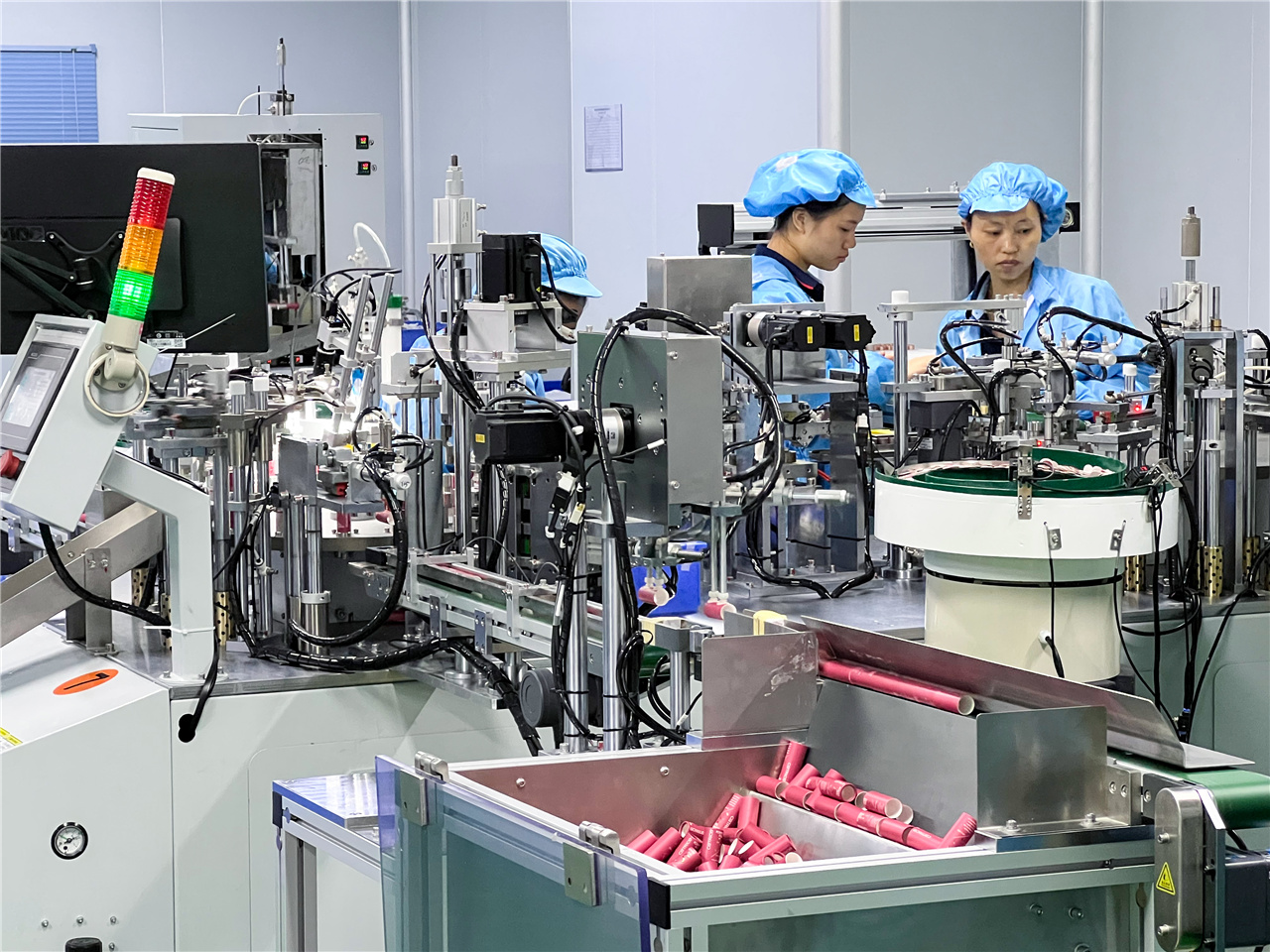
We integrate structural engineering and design capabilities with a global supply chain to provide end-to-end solutions from concept development to mass production and delivery, helping brands achieve packaging innovation and market differentiation.
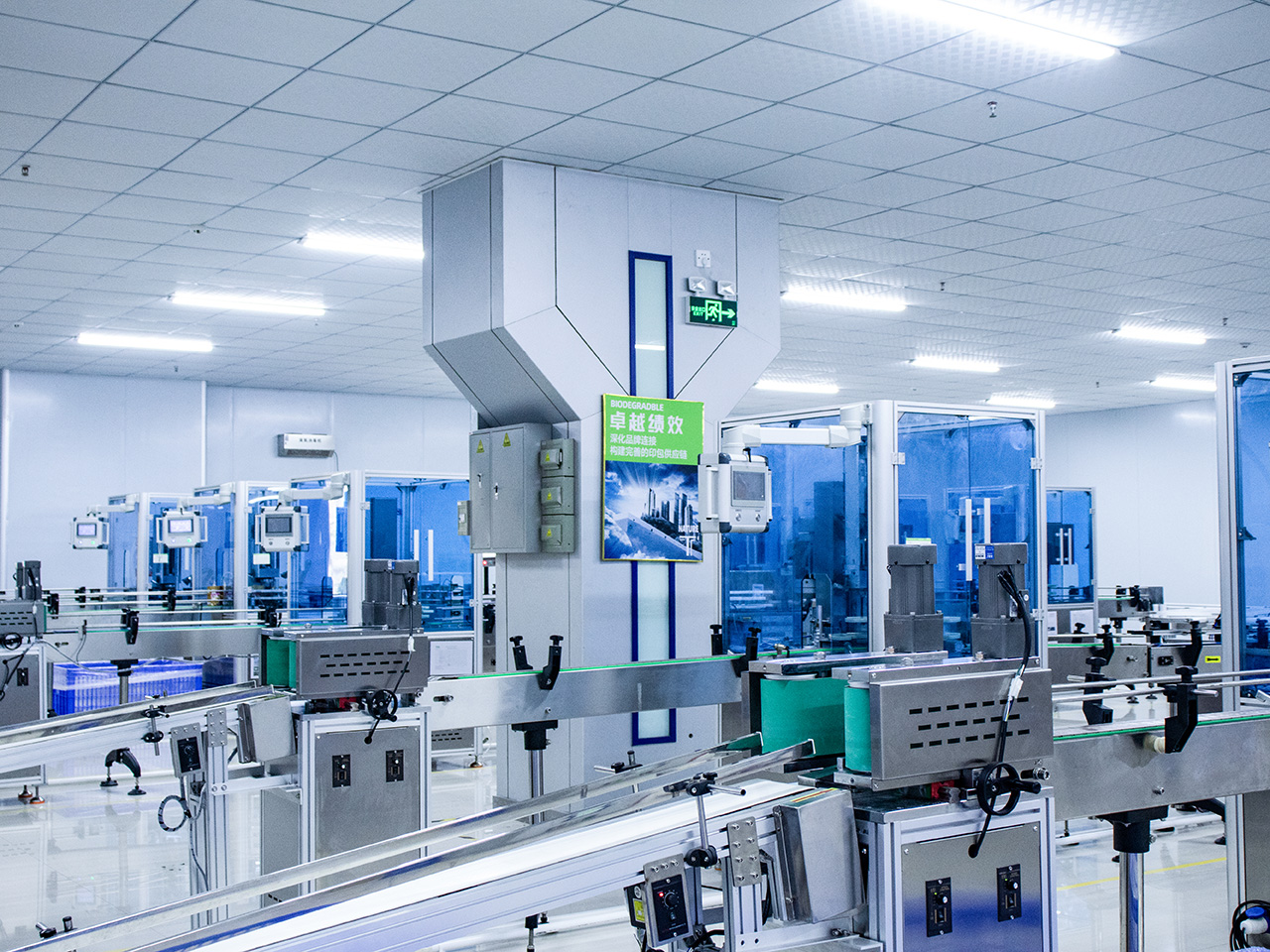
Nextruct strictly adheres to three ISO management systems and the SA8000 social responsibility standard, and holds FSC certification, ensuring its production and supply chain are compliant and well-regulated, providing global clients with compliant, high-quality, and environmentally friendly product solutions.
More than a regular packaging supplier, we serve as your reliable long-term ally to advance continuous packaging innovation.