Leave Your Message
The global packaging sector is undergoing a profound transition. Driven by strict regulatory frameworks—such as the European Union's Packaging and Packaging Waste Regulation (PPWR) and global mandates targeting single-use plastics—brands are aggressively searching for viable alternatives to petrochemical-based containers. Among these, cylindrical paper tubes have emerged as a premium, highly tactile, and visually distinct solution. However, extending their application from dry products to liquid, semi-liquid, and volatile formulations has historically been limited by the porous nature of wood fibers.
Today, advanced material science and structural engineering have bridged this gap. Modern leak-proof paper tubes represent a convergence of biodegradable barrier coatings, precision winding technologies, and airtight closure systems. Industries ranging from cosmetics and personal care to wellness supplements and electronic vape devices are adopting these fiber-based alternatives to dramatically reduce their environmental impact while maintaining product shelf-life and safety. This shift is not merely aesthetic; it is a fundamental reconfiguration of sustainable packaging layouts to meet strict industrial performance standards.
Engineering a paper tube to contain liquids or high-moisture formulations requires solving several physical challenges, primarily wicking, seam separation, and structural deformation. The following layout and design elements are critical to achieving a robust, leak-proof container:
Replacing traditional PE/PET laminations with repulpable, water-based coatings or plant-derived PLA/PBS liners to prevent liquid penetration without compromising recyclability.
Utilizing high-performance, water-resistant adhesives and ultrasonic welding at the spiral overlap points to eliminate micro-gaps where wicking could initiate.
Furthermore, the edge-wicking phenomenon—where liquids seep into the exposed raw paper edge at the bottom or top joints—must be neutralized. This is achieved by incorporating rolled-edge closures, folded inner liners, or protective base discs coated with hydrophobic agents. The dimensional stability of the tube must also be calculated to withstand internal pressures generated by temperature fluctuations during transport, preventing the cap from popping off or the seams from bursting.

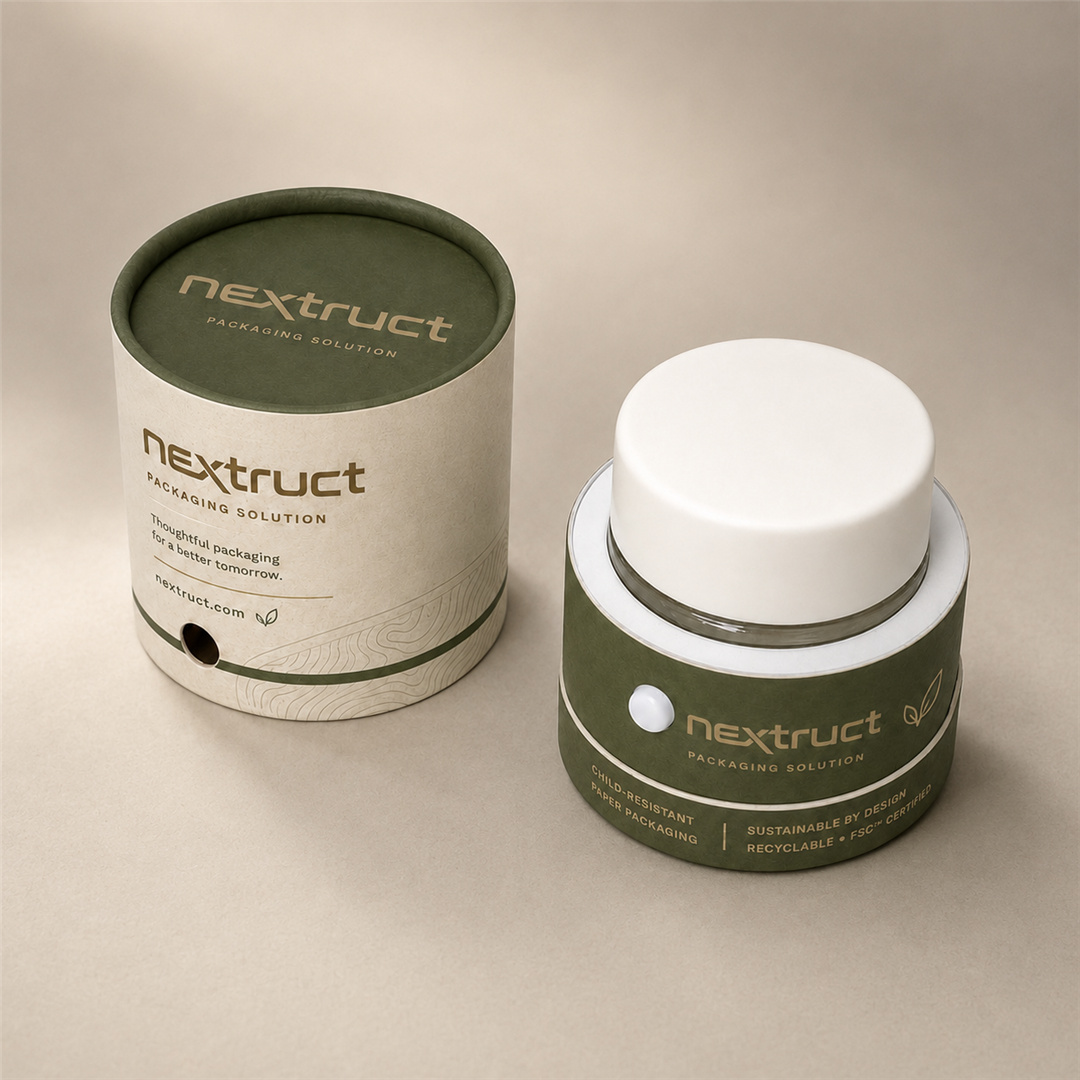
Our structural and graphic design teams work together to create cutting-edge, sustainable solutions that meet strict industrial standards. We specialize in developing packaging systems that are both functional and environmentally responsible.


Designing the graphic layout for a cylindrical, leak-proof paper tube requires a different approach compared to flat folding cartons. Because the paperboard is wound and overlapped, precision in the layout file is critical to prevent misalignment and visual defects. The following guidelines must be followed during the prepress design phase:
During the spiral winding process, the outer paper wrap overlaps at a seam. Designers must account for this overlap zone, which typically ranges from 3mm to 8mm depending on the tube's diameter. No critical text, logos, or mandatory regulatory symbols should be placed within this overlap safety zone. Background colors and continuous patterns, however, must bleed into the overlap area to prevent raw paperboard edges from showing after manufacturing.
Wrapping a flat-printed sheet around a curved surface introduces visual distortion, especially near the top and bottom edges (chime areas) where the paper is crimped or rolled. Graphic elements, especially circles and horizontal lines, must be pre-distorted (scaled) in the layout file so they appear perfectly proportioned on the finished cylindrical tube. This requires precise calculations based on the outer diameter (OD) and wall thickness of the tube.
To protect the exterior of the tube from moisture (e.g., condensation in bathrooms or kitchens), a protective varnish (matte, glossy, or soft-touch) is applied. However, these coatings must be compatible with eco-friendly, soy-based or water-based inks to ensure the package remains compostable or recyclable. Additionally, varnished areas must not overlap with the seam paths, as varnishes can reduce the bonding strength of the adhesives, compromising the structural integrity of the tube.
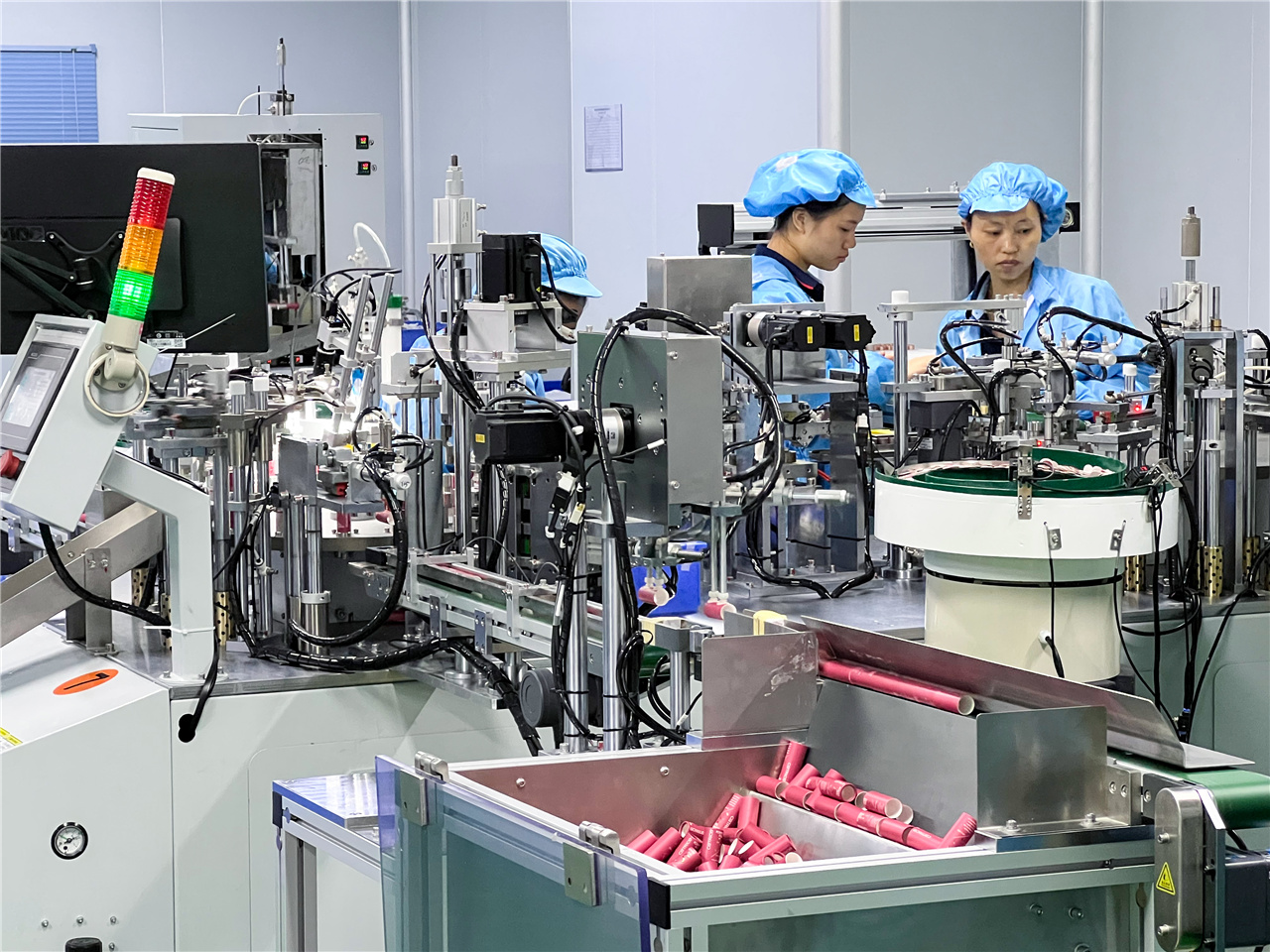
We integrate structural engineering and design capabilities with a global supply chain to provide end-to-end solutions from concept development to mass production and delivery, helping brands achieve packaging innovation and market differentiation.
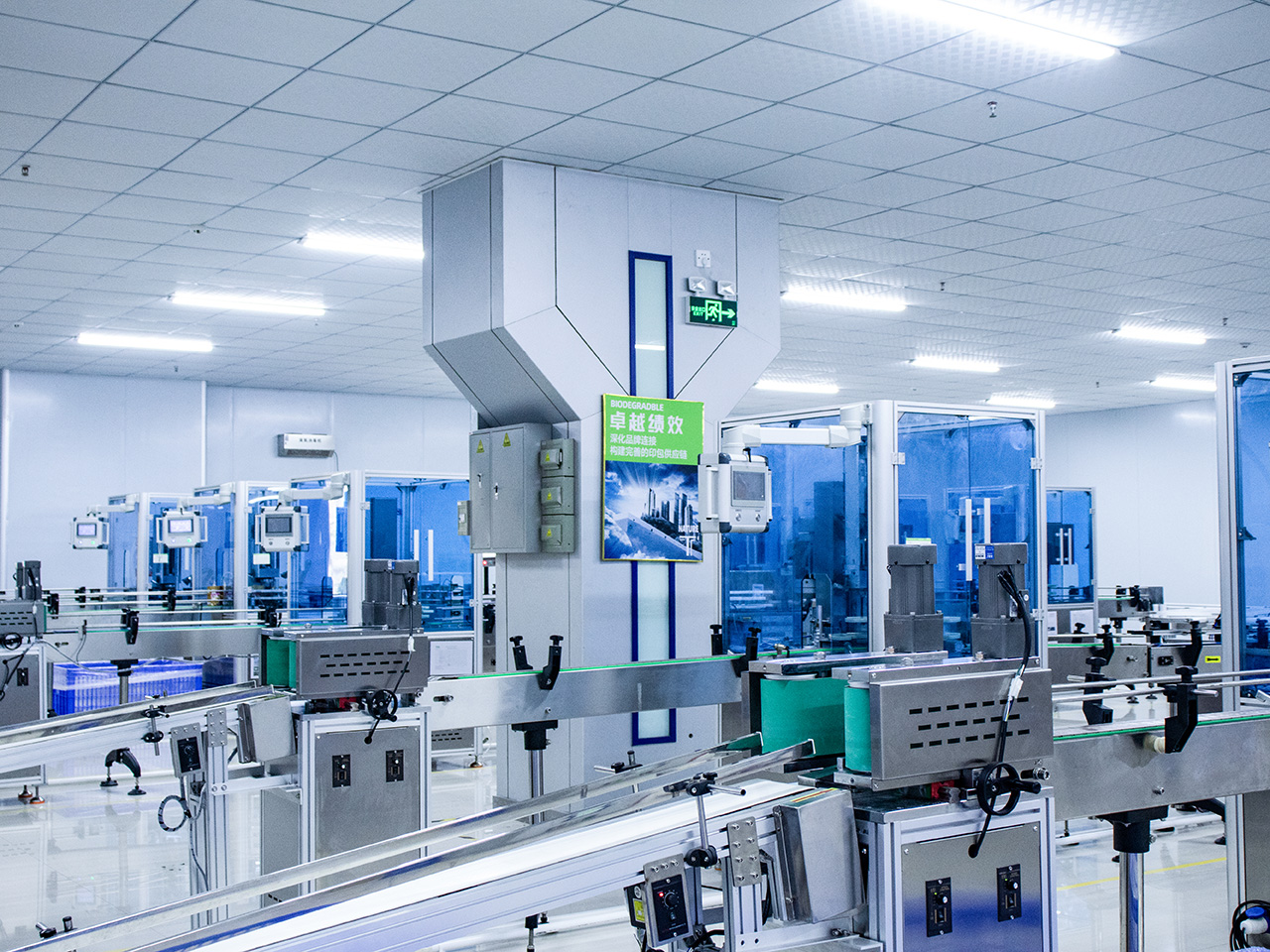
Nextruct strictly adheres to three ISO management systems and the SA8000 social responsibility standard, and holds FSC certification, ensuring its production and supply chain are compliant and well-regulated, providing global clients with compliant, high-quality, and environmentally friendly product solutions.
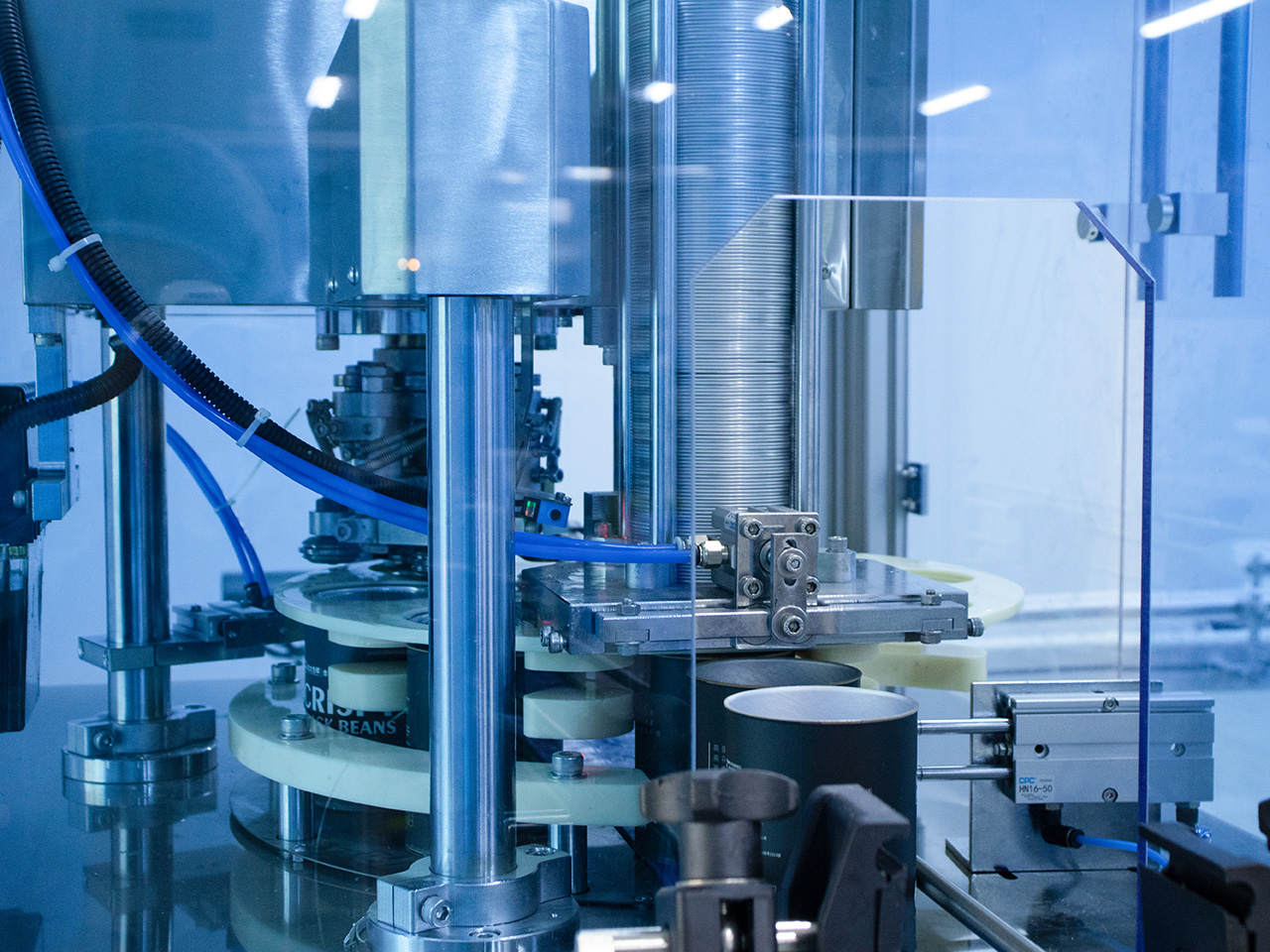
More than a regular packaging supplier, we serve as your reliable long-term ally to advance continuous packaging innovation.
The application of leak-proof paper tubes spans multiple high-value industries. Each sector presents unique demands for barrier properties, child resistance, and dispensing functionality:
For products like solid deodorants, lip balms, sunscreens, and moisturizing creams, the packaging must resist oil migration. Without a proper barrier layout, oils can seep through the paperboard, causing grease spots on the exterior and weakening the structure. Nextruct's solutions utilize plant-derived, oil-resistant coatings that protect the tube's exterior, ensuring the packaging remains clean and structurally sound throughout its use.
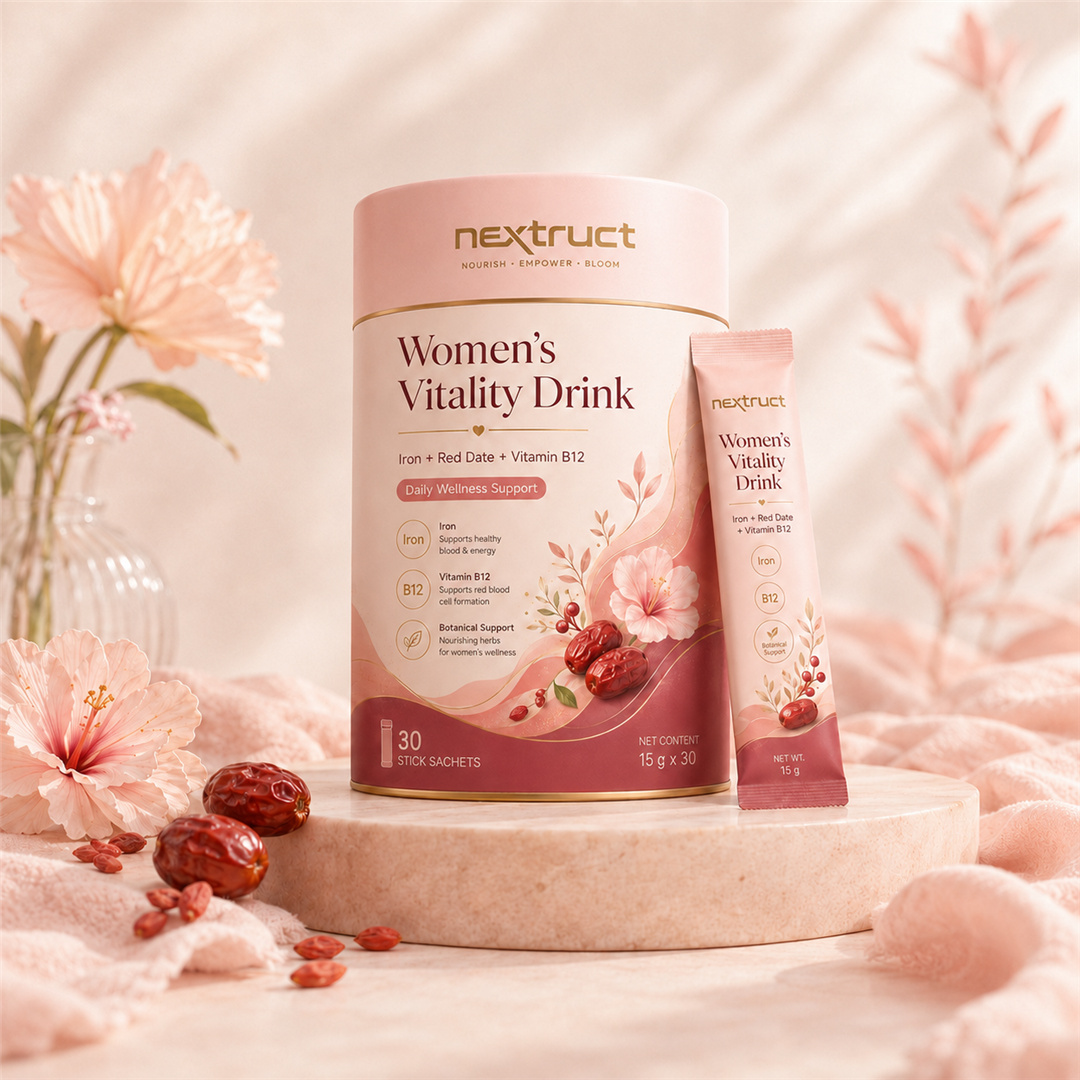
Powdered supplements, effervescent tablets, and herbal formulations are highly sensitive to moisture. Ingress of water vapor can cause clumping and degrade the active ingredients. A leak-proof paper tube with an inner aluminum foil or high-barrier bio-film liner, combined with a hermetically sealed membrane lid, provides the necessary moisture vapor transmission rate (MVTR) to match the shelf-life of traditional plastic containers.
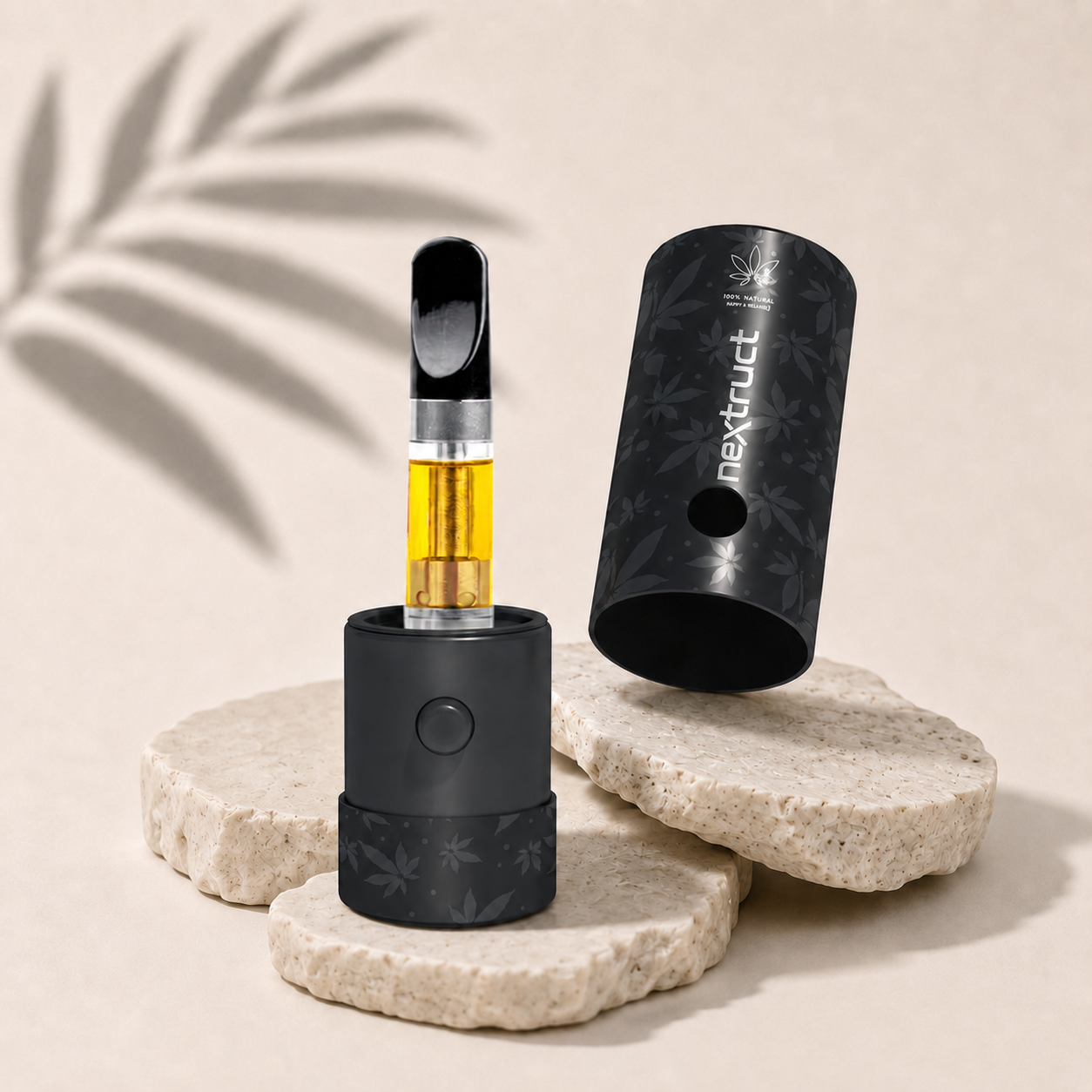
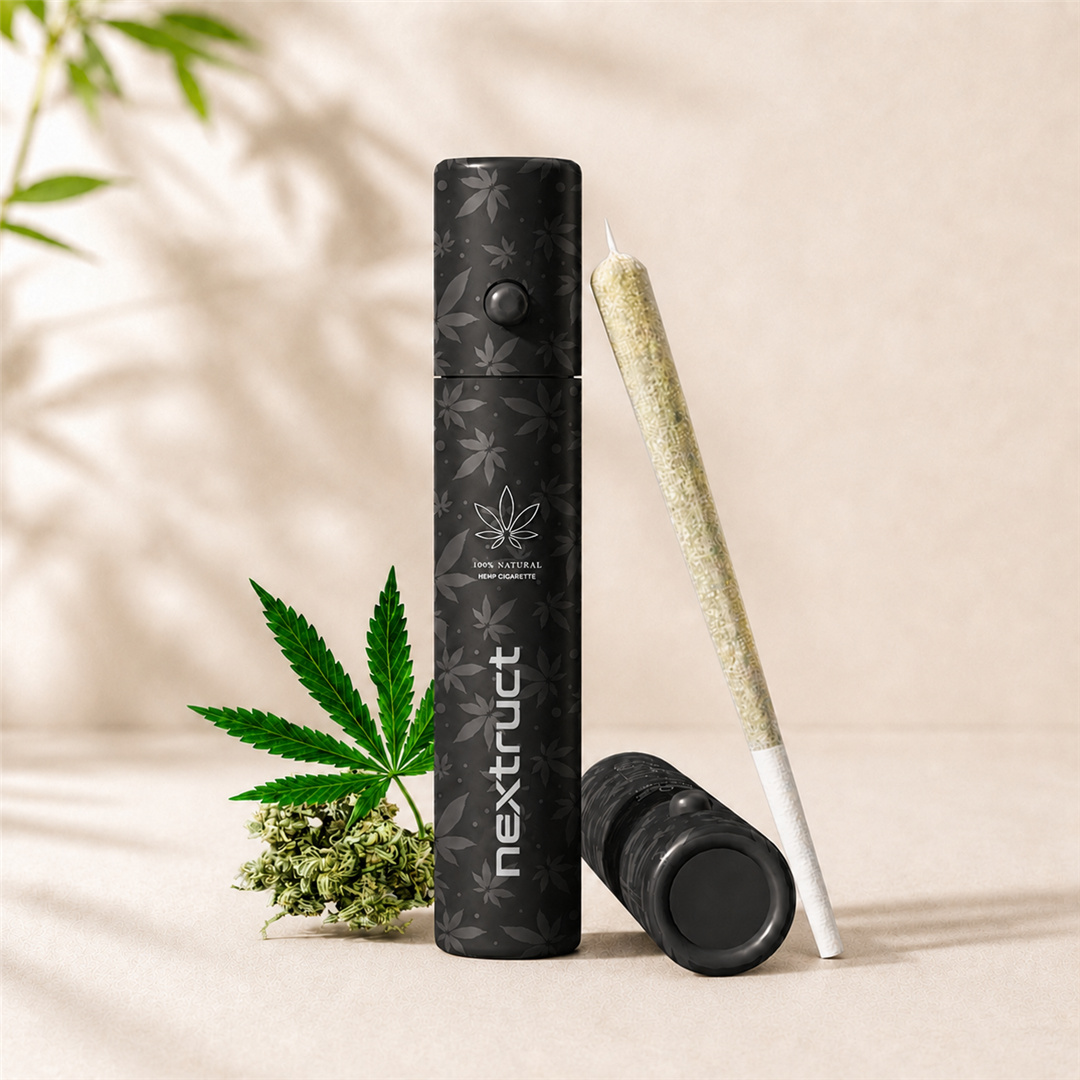
E-cigarettes and e-liquids contain volatile compounds and active ingredients that require robust containment. Our biodegradable CR paper packaging for electronic cigarettes prevents e-liquid leaks and seals in odors. Combining a child-resistant (CR) locking mechanism with a leak-proof inner structure ensures safety and regulatory compliance while maintaining a premium brand presentation.
Looking ahead, the development of leak-proof paper packaging is driven by two key trends: advanced barrier technology and smart packaging integration.
Researchers are focusing on nanocellulose coatings—microscopic wood fibers that form a dense, impermeable barrier against oxygen and water vapor. These coatings are 100% biodegradable and can be recycled in standard paper mills, eliminating the need to separate plastic layers from the paperboard. Additionally, the integration of QR codes, RFID tags, and temperature-sensitive inks into the packaging layout allows brands to track supply chains, verify product authenticity, and engage consumers with digital content, creating a more interactive and transparent experience.