Leave Your Message
Explore our leading structural packaging solutions engineered specifically to meet the rigorous demands of the modern wellness and nutritional supplement industries.
The global wellness and dietary supplement market is undergoing a massive paradigm shift. Driven by clean-label products, preventative healthcare trends, and heightened environmental awareness, consumers are demanding that their supplements be as healthy for the planet as they are for their bodies. Consequently, brands are actively moving away from traditional single-use plastic jars and bottles, turning to sustainable packaging solutions.
However, transitioning to sustainable materials like high-performance fiber, paperboard, and post-consumer recycled (PCR) plastics presents major technical challenges. Unlike inert plastics, paper-based and bio-based materials are sensitive to humidity, pressure, and temperature. This is where precision packaging drawings become the critical link between creative design and industrial reality. A packaging drawing is not merely a visual sketch; it is a highly detailed CAD blueprint that dictates material thickness tolerances, folding lines, barrier coatings, and structural integrity. In the wellness sector, where products must remain shelf-stable and free from contamination, these drawings are essential to ensure the package protects the active ingredients inside.
SEO Insight: Packaging drawings serve as the technical foundation for modern eco-friendly packaging. By establishing exact tolerances and specifying paper-based barrier coatings, these engineering blueprints allow brands to replace fossil-fuel plastics with recyclable fiber containers without sacrificing product shelf-life or safety.
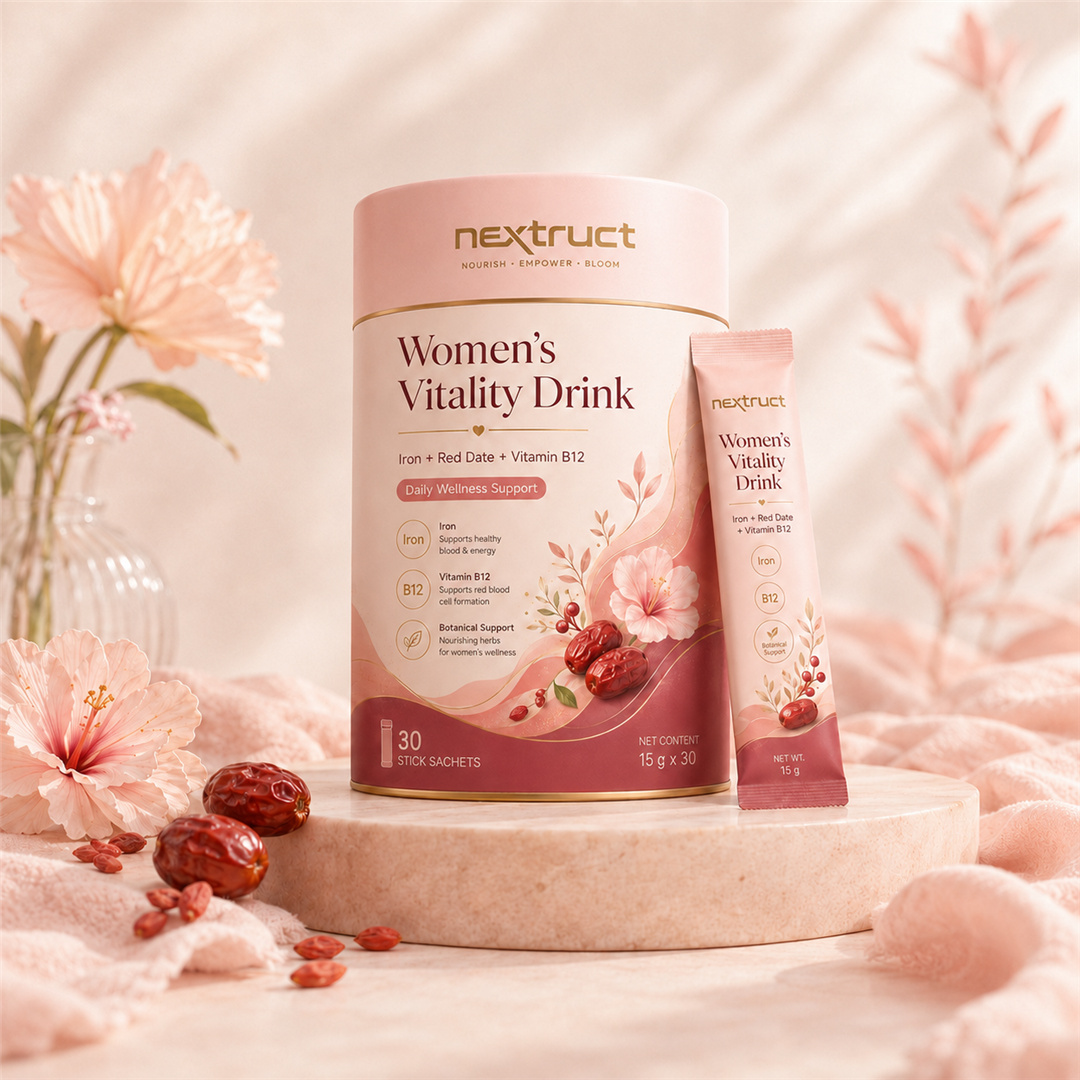
Nutraceutical powders—such as proteins, collagens, and greens—have historically relied on large HDPE plastic tubs. Today, brands are replacing these tubs with high-performance fiber canisters. In this scenario, packaging drawings must detail the exact thickness of the inner barrier liner (such as water-based or biodegradable coatings) to prevent moisture permeation. The drawings also define the friction-fit or threaded paperboard lids, ensuring a secure closure that keeps the powder dry and fresh throughout its lifecycle.
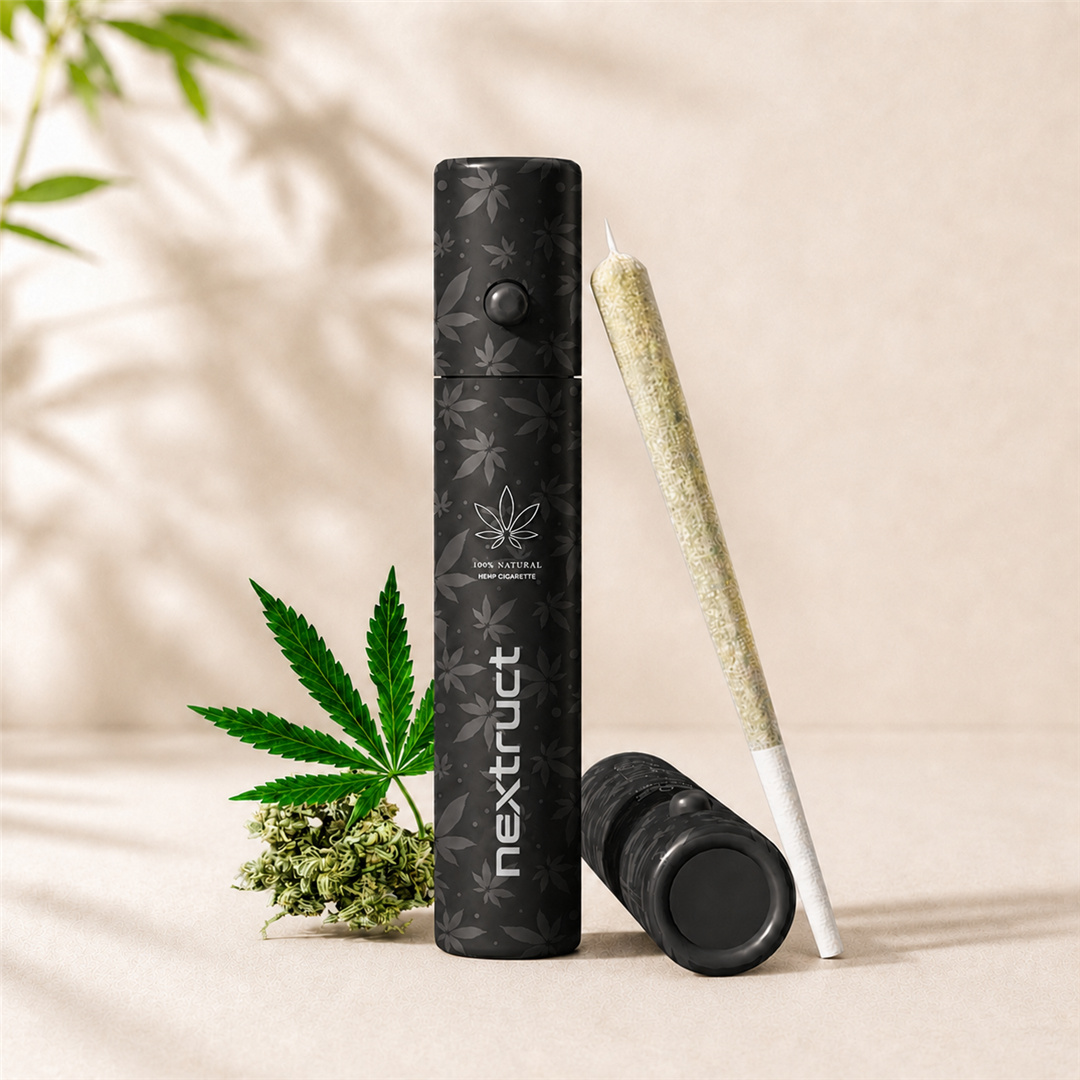
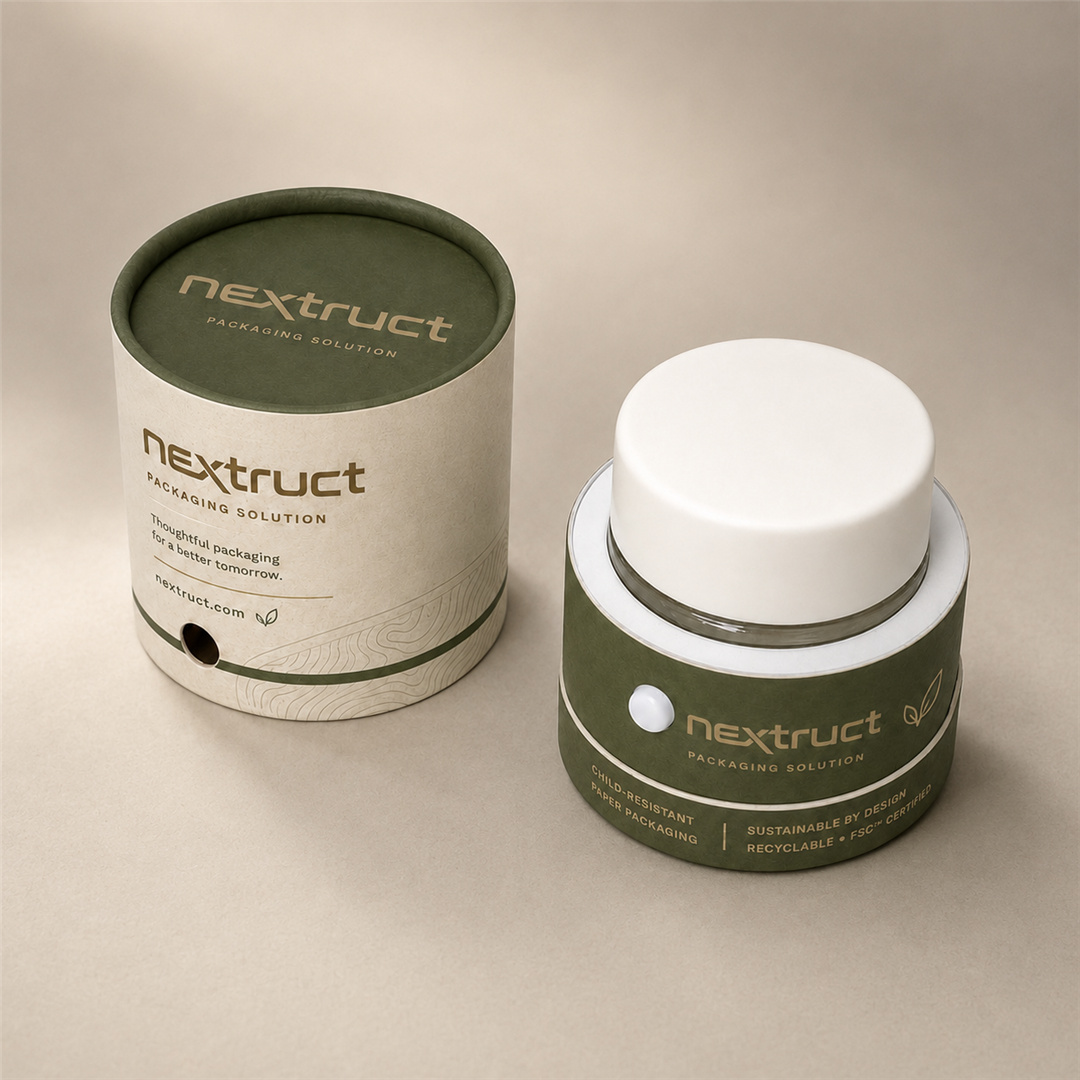
As wellness products expand to include active herbal extracts, adaptogens, and wellness gummies, child-resistant packaging has become a strict legal requirement in many markets. Designing a plastic-free CR mechanism requires incredible engineering precision. Packaging drawings for these boxes and tubes must detail complex locking tabs, internal slides, and push-and-release mechanisms. Every fold and die-cut must align perfectly to pass certified child-safety testing while remaining easy for adults and seniors to use.
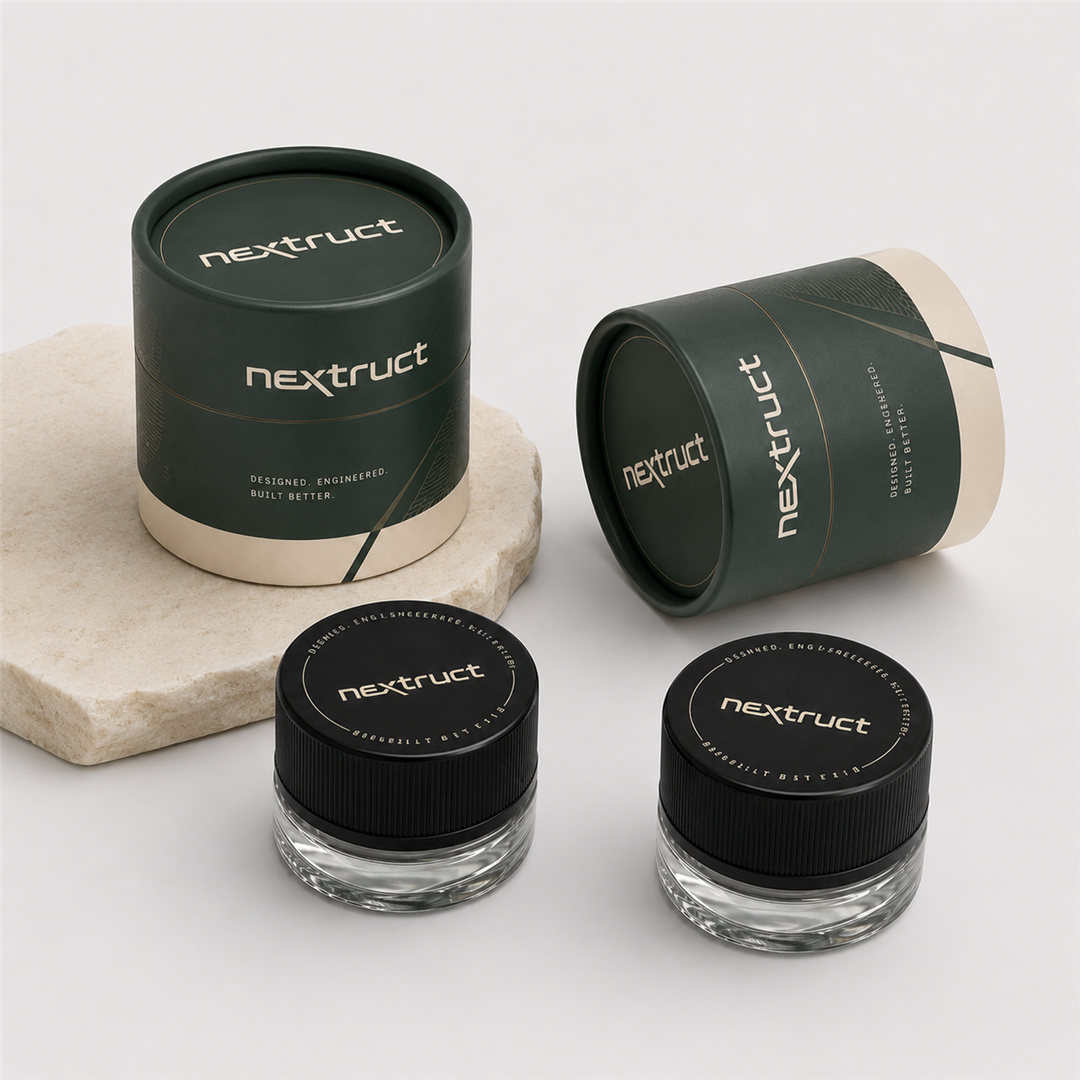
Liquid supplements, such as herbal tinctures, essential oils, and liquid vitamins, are commonly housed in glass dropper bottles. To protect these fragile glass containers during shipping, brands are utilizing hybrid structures—specifically, custom paperboard tubes that act as protective outer sleeves. The packaging drawings for these hybrid tubes must specify precise internal dimensions, shock-absorbing paper inserts, and structural wall thicknesses to ensure the glass bottle remains secure and intact without requiring plastic bubble wrap.
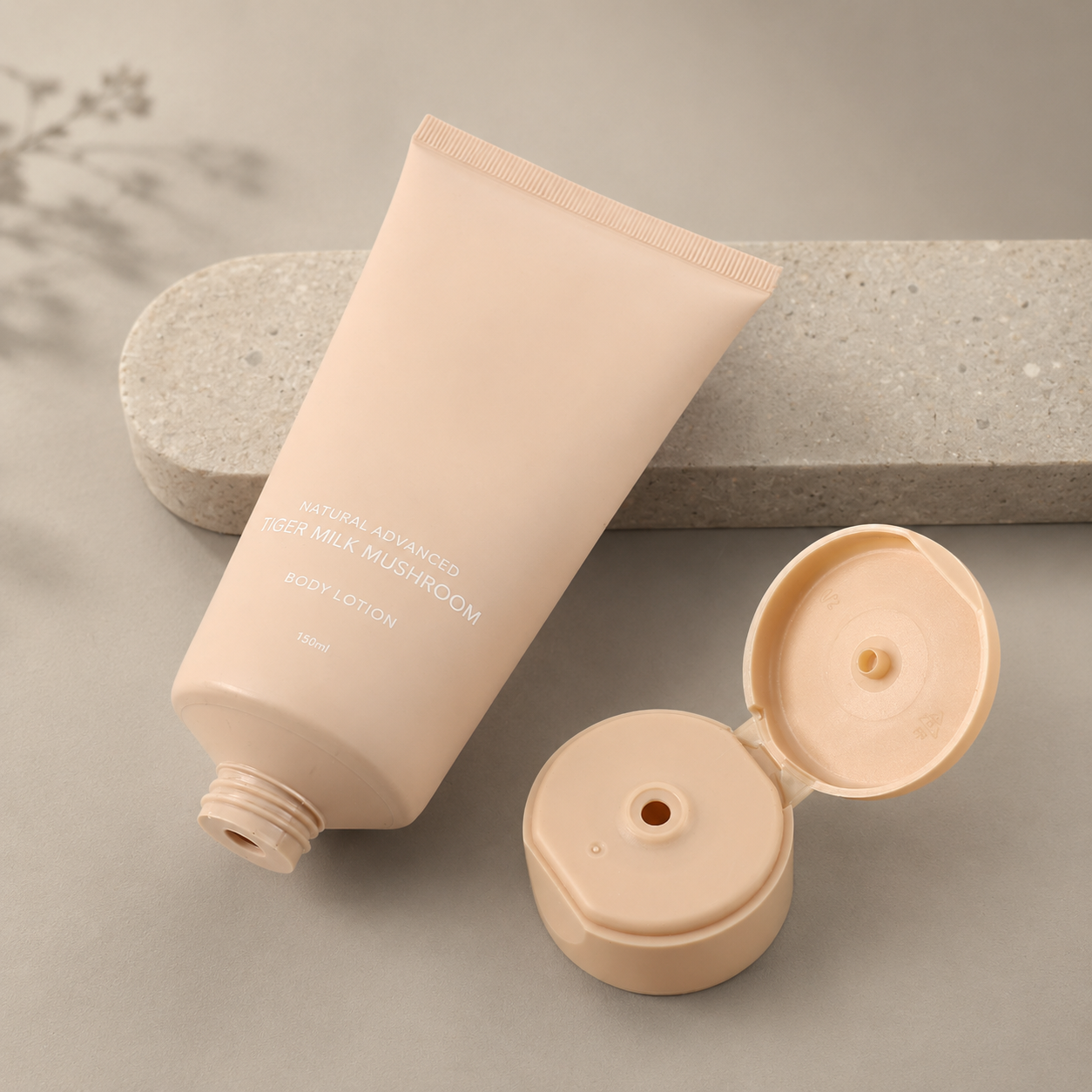
For topical supplements, muscle rubs, and wellness cosmetics, squeeze tubes are the preferred format. To meet sustainability goals, manufacturers are shifting to PCR-PE (Post-Consumer Recycled Polyethylene). The packaging drawings for these squeeze tubes must account for the slightly different physical properties of recycled plastics compared to virgin resins, specifying tube wall thickness, shoulder geometry, and thread details for the cap to prevent leakage and guarantee smooth product dispensing.
Looking ahead, the industry is moving towards complete circularity. We are seeing the rise of waterproof paper bottle technologies, plastic-free barrier coatings, and mono-material packaging designs that can be thrown directly into standard paper recycling bins. Additionally, AI-assisted design software is now used to analyze packaging drawings, simulating real-world stress and transit conditions before a physical prototype is even made. This speeds up development, cuts down on material waste, and ensures that the final package is optimized for both durability and minimal environmental impact.



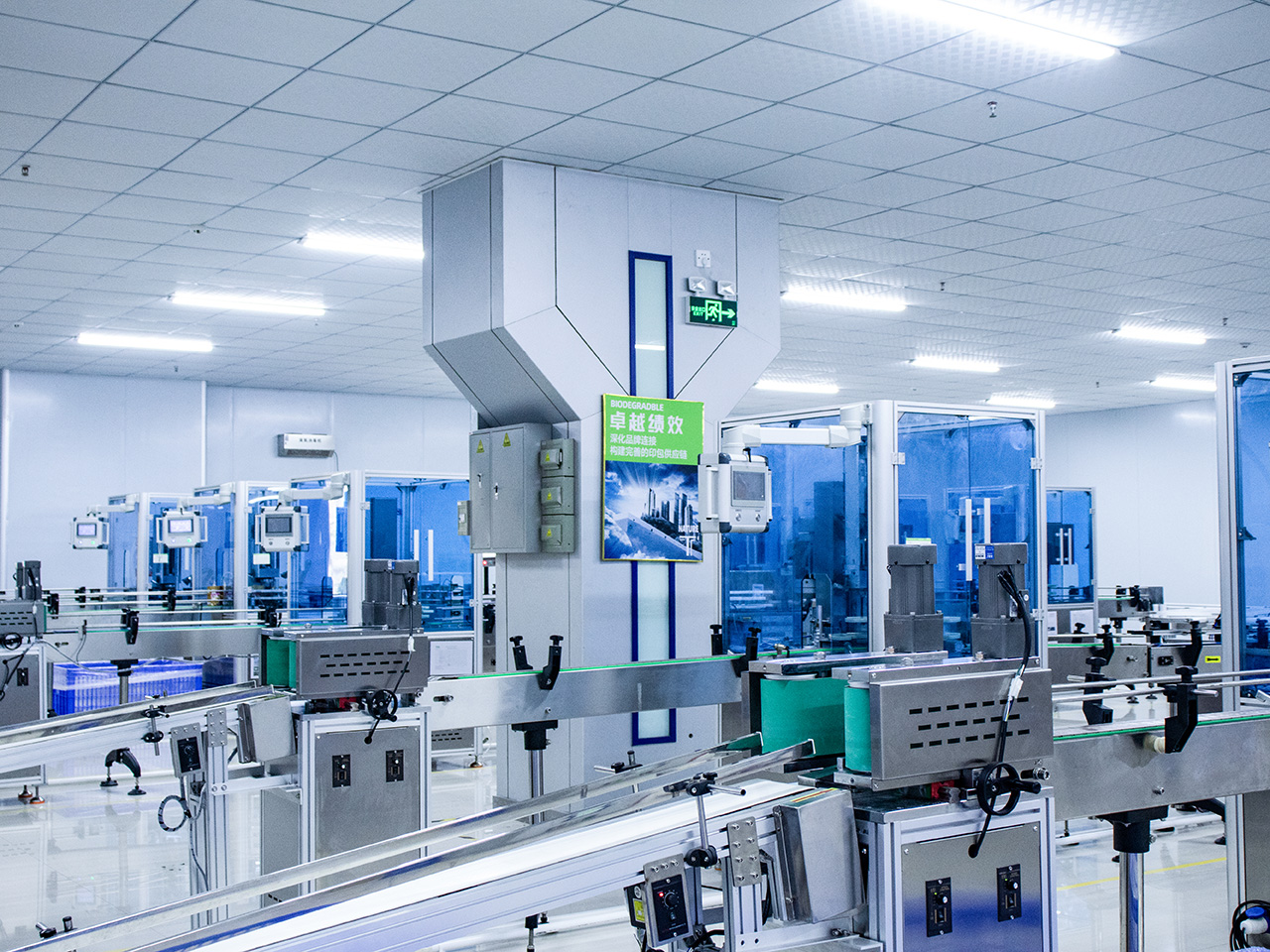
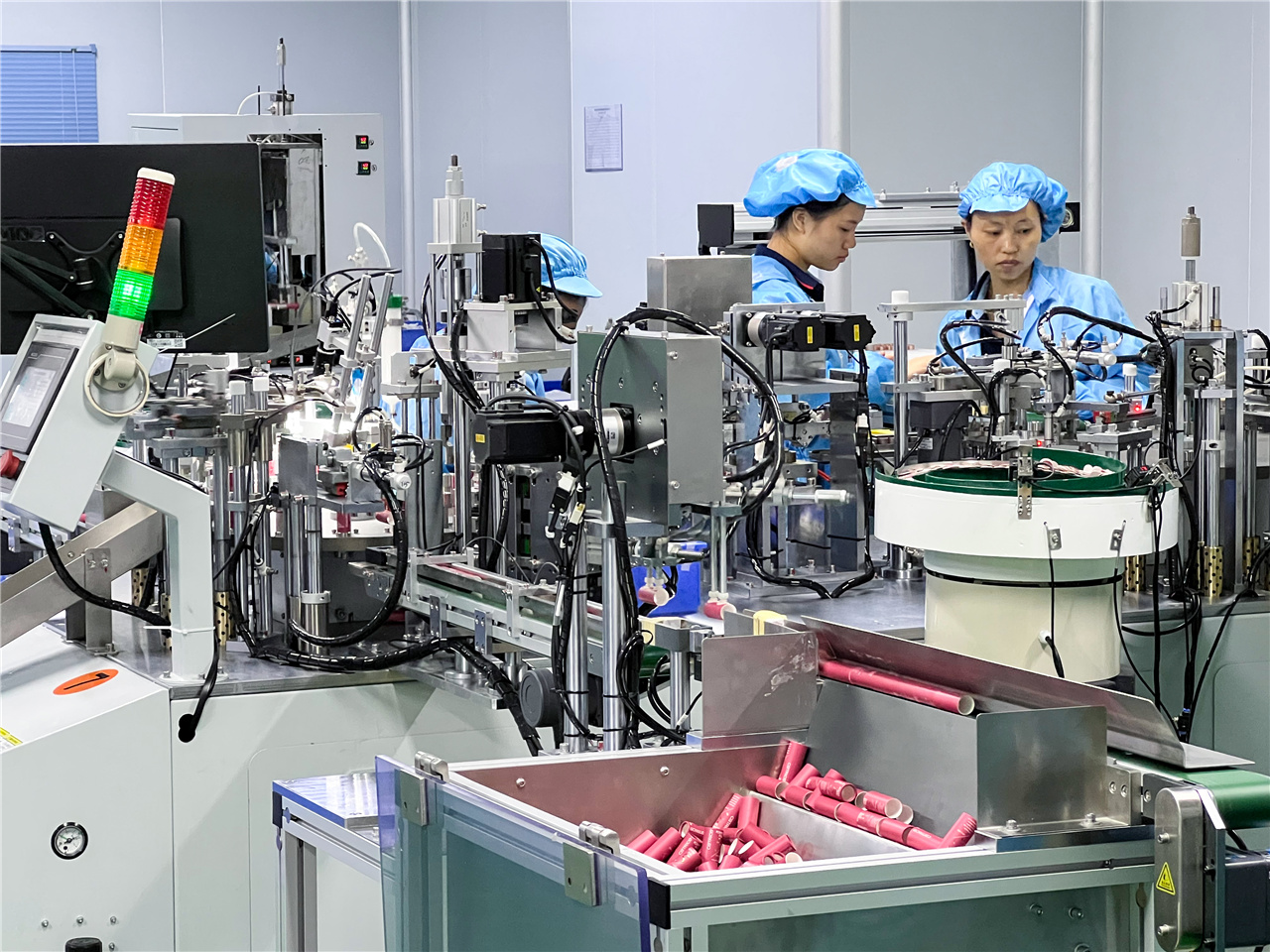
Browse our full range of patented paper-based structures, child-resistant tubes, and PCR packaging designed for modern wellness, personal care, and cosmetic brands.