Leave Your Message
Explore our leading-edge packaging designs engineered to replace virgin plastics and mitigate heavy tax burdens.
How regulatory frameworks are forcing a revolution in mechanical packaging design and material choice.
In the contemporary global market, packaging is no longer merely a tool for product containment and branding; it has become a central focus of environmental taxation and corporate compliance. Governments worldwide are aggressively implementing legislation to curb plastic waste. From the United Kingdom’s Plastic Packaging Tax (PPT) to the European Union’s plastic levy and Extended Producer Responsibility (EPR) schemes in the United States, brands face significant financial penalties if their packaging does not meet strict recycled content or biodegradability thresholds.
Under these stringent regulations, the design phase has emerged as the primary defense against escalating tax liabilities. Packaging drawings—the precise engineering blueprints, structural CAD designs, and material specifications—serve as the foundation for modern tax mitigation strategies. By integrating sustainable materials into the initial structural layout, engineers can systematically eliminate tax-heavy components, replacing them with high-performance fiber-based containers, Post-Consumer Recycled (PCR) plastics, and hybrid materials.
A professionally drafted packaging drawing does not just show dimensions; it specifies the chemical compositions, weight metrics, and source origins of every layer. For tax authorities, these drawings represent verifiable proof of compliance, detailing the exact percentage of recycled materials or plastic-free alternative fibers used in mass production.

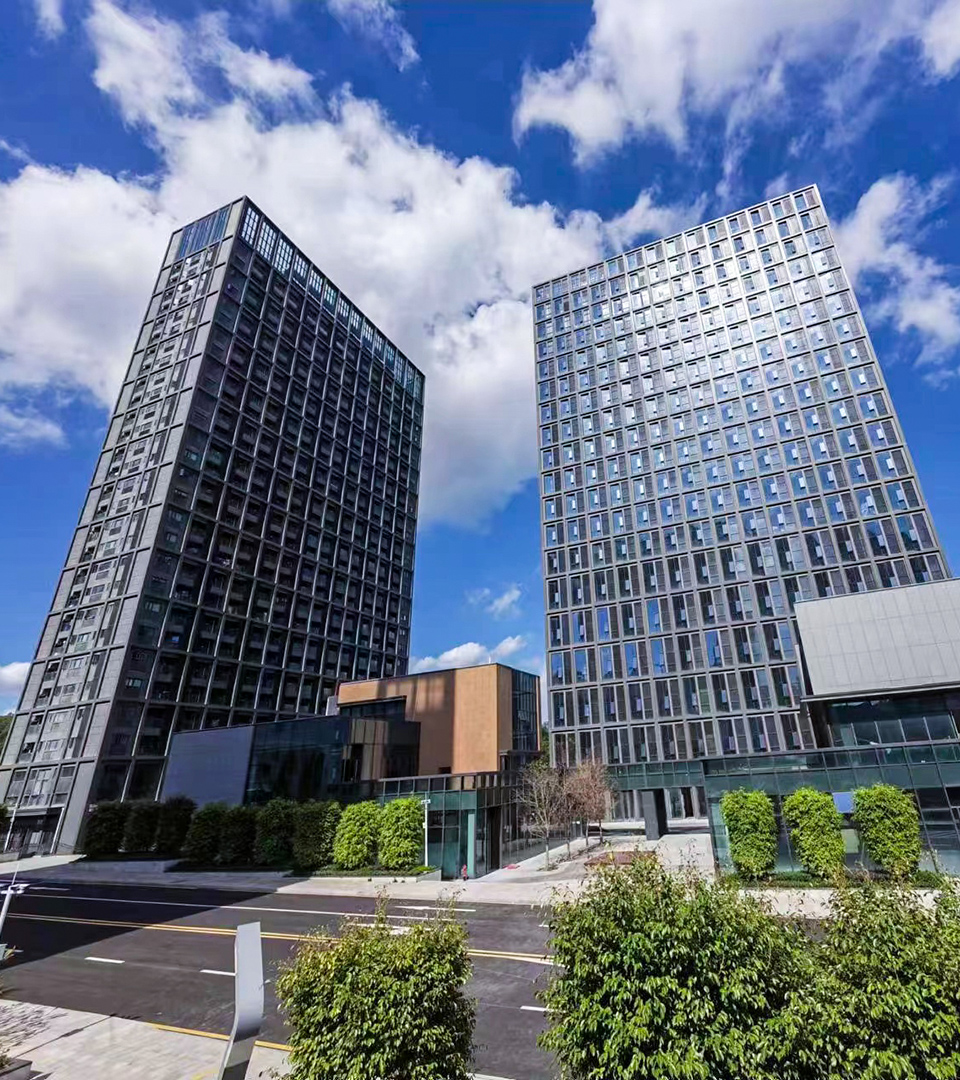
Nextruct (formerly Toprint) is a Guangdong-based, China-based one-stop sustainable packaging solutions provider, driven by structural innovation. With 14 years of deep industry experience, we focus on the research and development of paper-based structures and the integration of sustainable materials, providing high-value, environmentally friendly packaging solutions for global makeup, personal care, and wellness brands.
Nextruct holds 21 patents for innovative paper-based structures and has won the prestigious 2026 Red Dot Product Design Award. Through our proprietary paper-based patented technology, combined with recyclable glass and recycled plastics, we enable truly viable sustainable brand upgrades without compromising functionality, strength, or commercial viability.
Our design methodology begins at the drawing board. By combining strict structural mathematics with advanced material science, we ensure that every packaging drawing we produce is optimized for both manufacturing line efficiency and global plastic tax exemption thresholds.

Analyzing the technical parameters of CAD drawings that determine tax eligibility.
In a modern packaging drawing, every material layer must be systematically documented. For instance, when designing PCR-PE squeeze tubes, the drawing specifies the exact percentage of PCR content versus virgin polymer. If the drawing specifies a 35% PCR composition, it successfully crosses the 30% threshold required by the UK PPT, changing the tax status of that production run from taxable to exempt. The engineering team coordinates these calculations to ensure the package remains durable yet legally compliant.
Reducing the overall weight of plastic is another direct way to minimize tax, as plastic taxes are calculated based on weight (e.g., £200/metric tonne). Our packaging drawings utilize finite element analysis (FEA) to determine the minimum wall thickness required to maintain structural integrity. By strategically thinning non-load-bearing areas of a cosmetic tube or a jar lid, we decrease the plastic weight by up to 20%, directly translating to a 20% tax reduction.
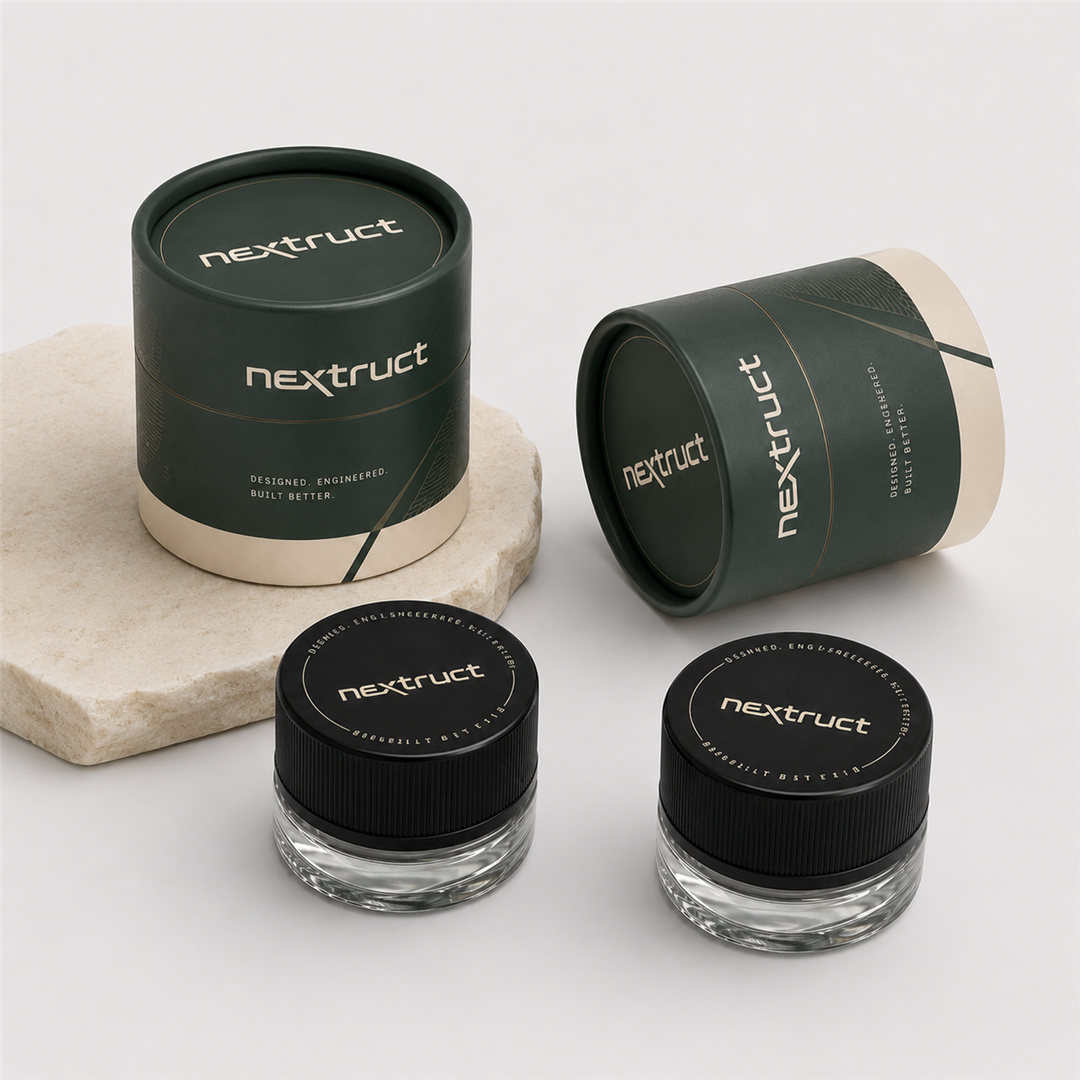
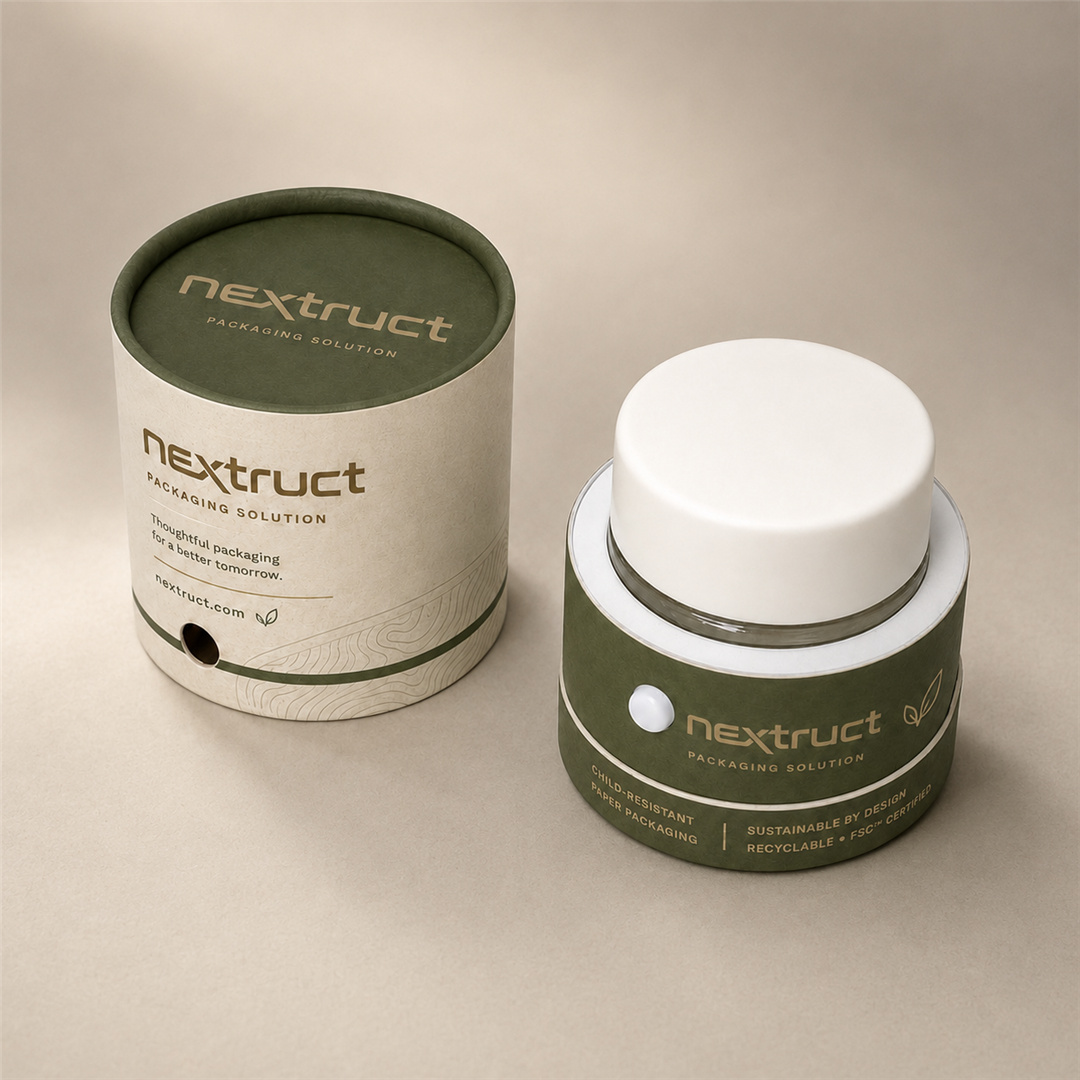
The ultimate method to avoid plastic taxes is the complete removal of plastic components. By shifting to high-performance paper canisters and supplement tubes, brands can bypass plastic tax entirely. Our patented child-resistant (CR) paper packaging designs replace traditional plastic locking mechanisms with rigid paperboard tabs. This engineering shift is fully mapped out in our packaging drawings, allowing manufacturers to assemble plastic-free containers on standard packaging lines.
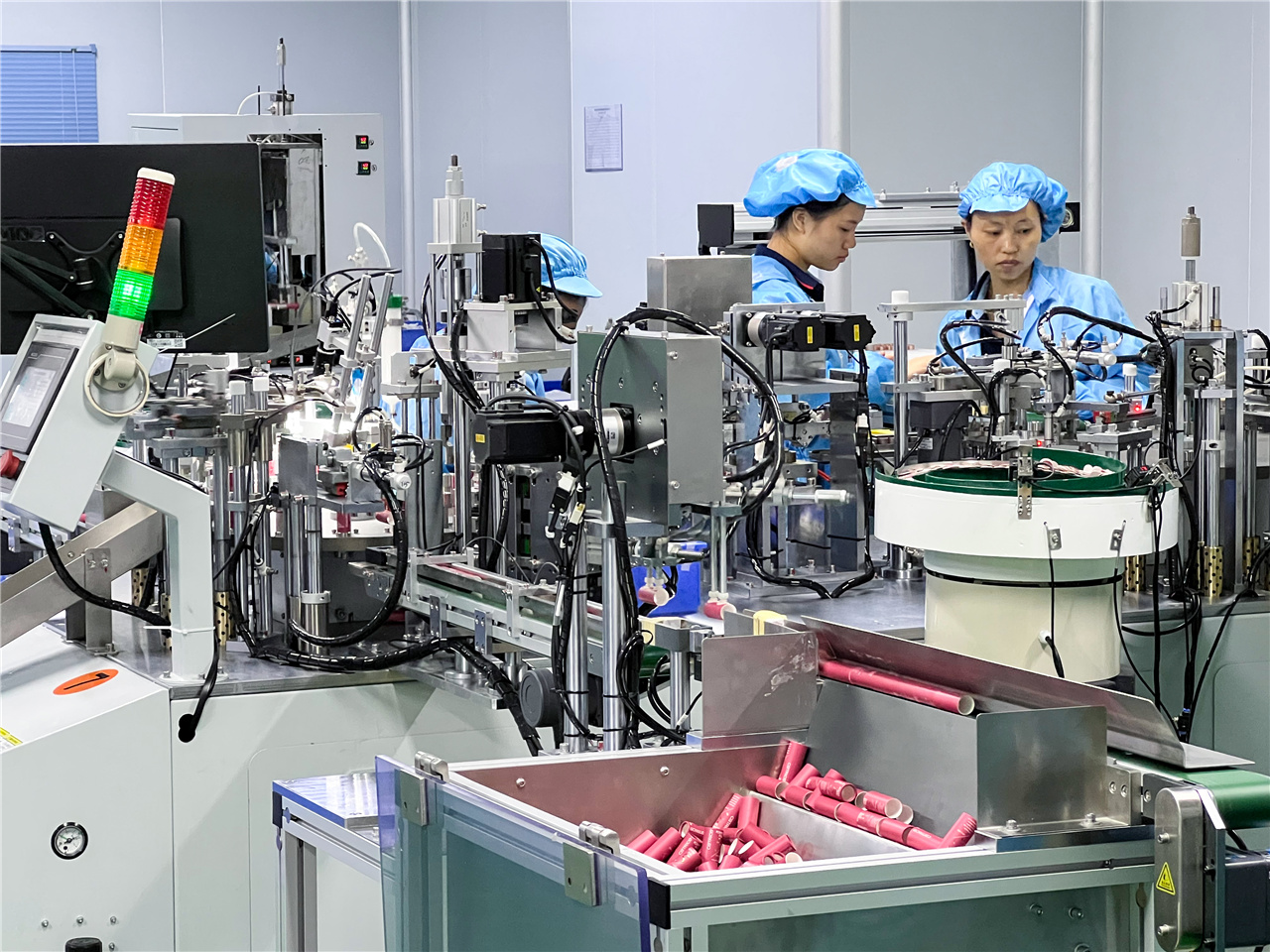
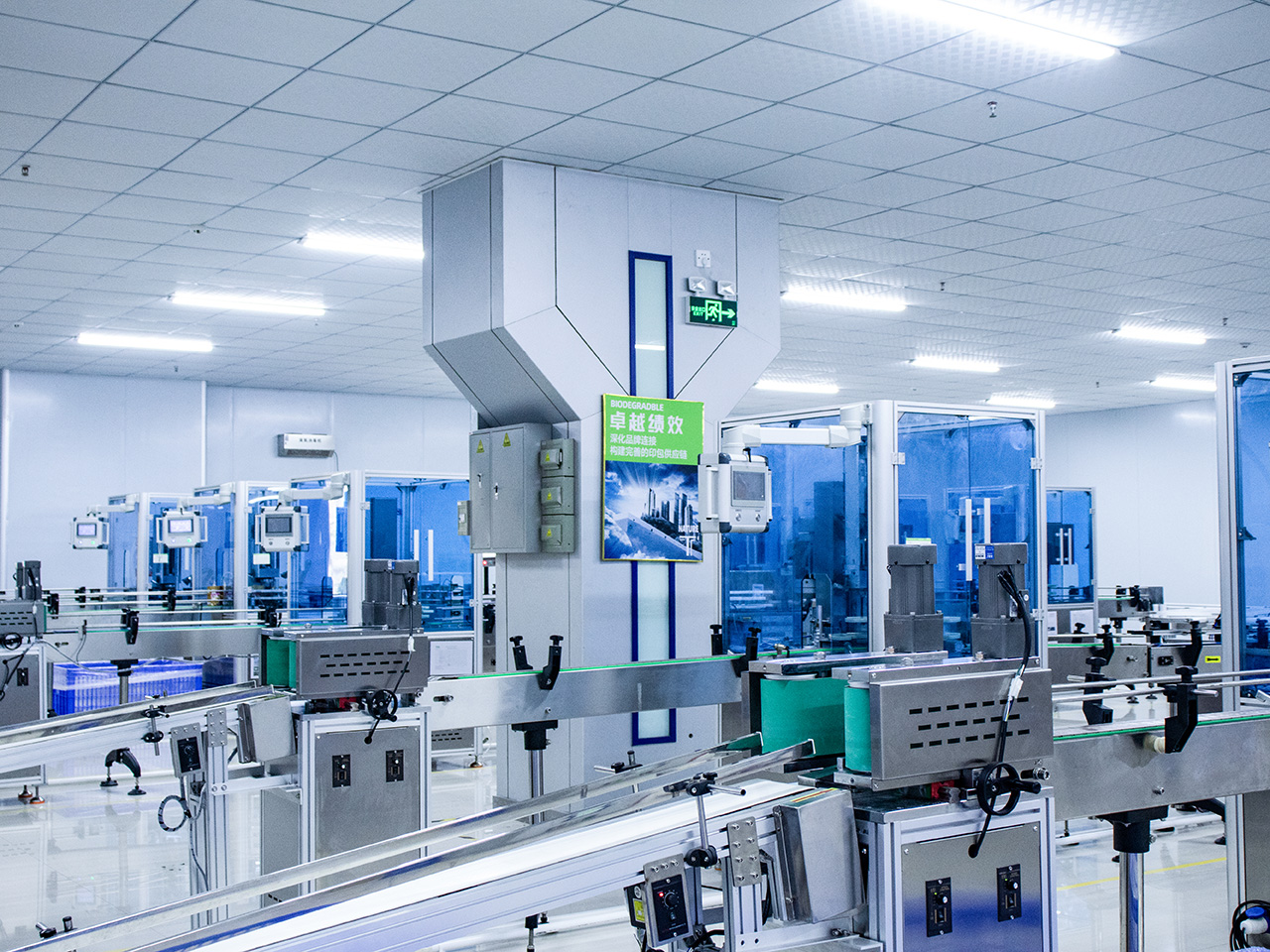
Integrating design capability with a global supply chain for seamless execution.
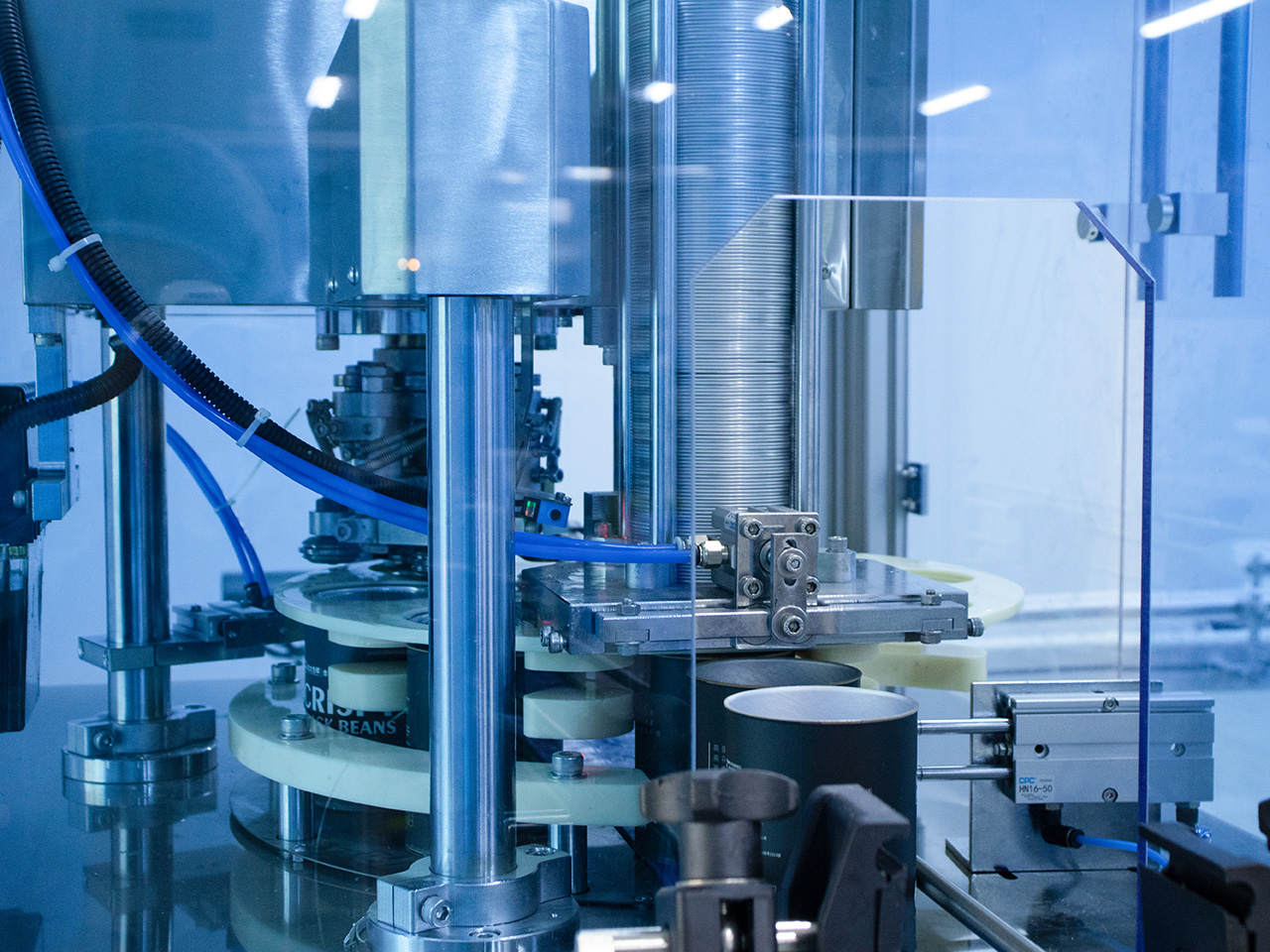
How specific sectors leverage sustainable materials to achieve regulatory compliance and tax relief.
The beauty industry is historically one of the largest consumers of single-use plastics. By utilizing PCR-PE squeeze tubes, cosmetic brands can preserve the flexible, squeezable nature of their packaging while avoiding the plastic tax. The packaging drawings for these tubes specify a multi-layer co-extrusion process where the inner layer is virgin material to protect the formula, while the outer layers contain high-percentage PCR resins. This hybrid design ensures regulatory compliance while maintaining product compatibility and shelf life.
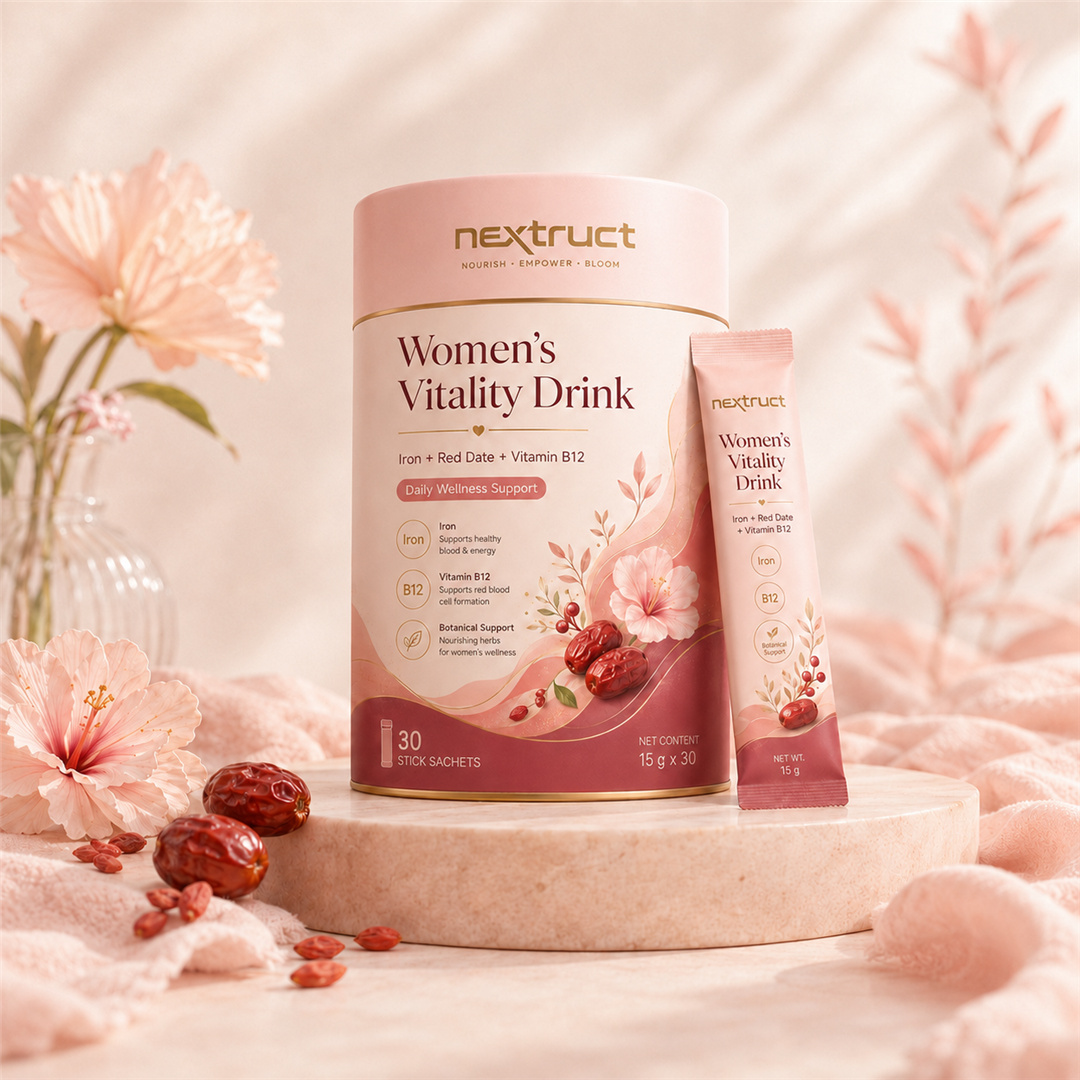
Supplements, vitamins, and protein powders are transitioning rapidly to rigid paper canisters. Traditional plastic tubs are heavy and attract significant tax rates. Custom Paper Supplement Tube Packaging offers a lightweight, high-barrier alternative. The engineering drawings for these tubes detail a specialized internal barrier lining (often made of plant-based PLA or ultra-thin recyclable foil) that prevents moisture and oxygen ingress. This allows brands to completely replace plastic containers with biodegradable, FSC-certified paper alternatives.
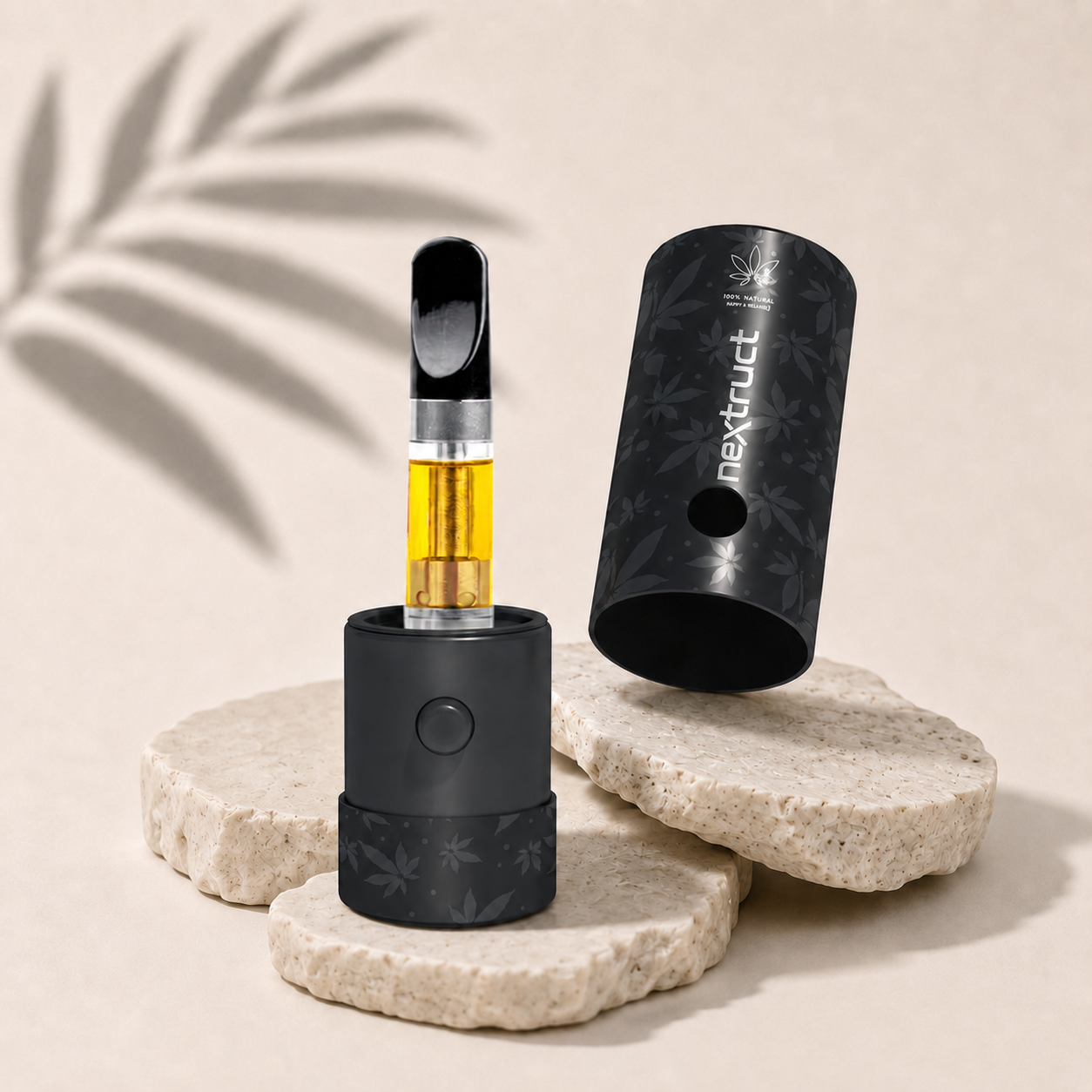
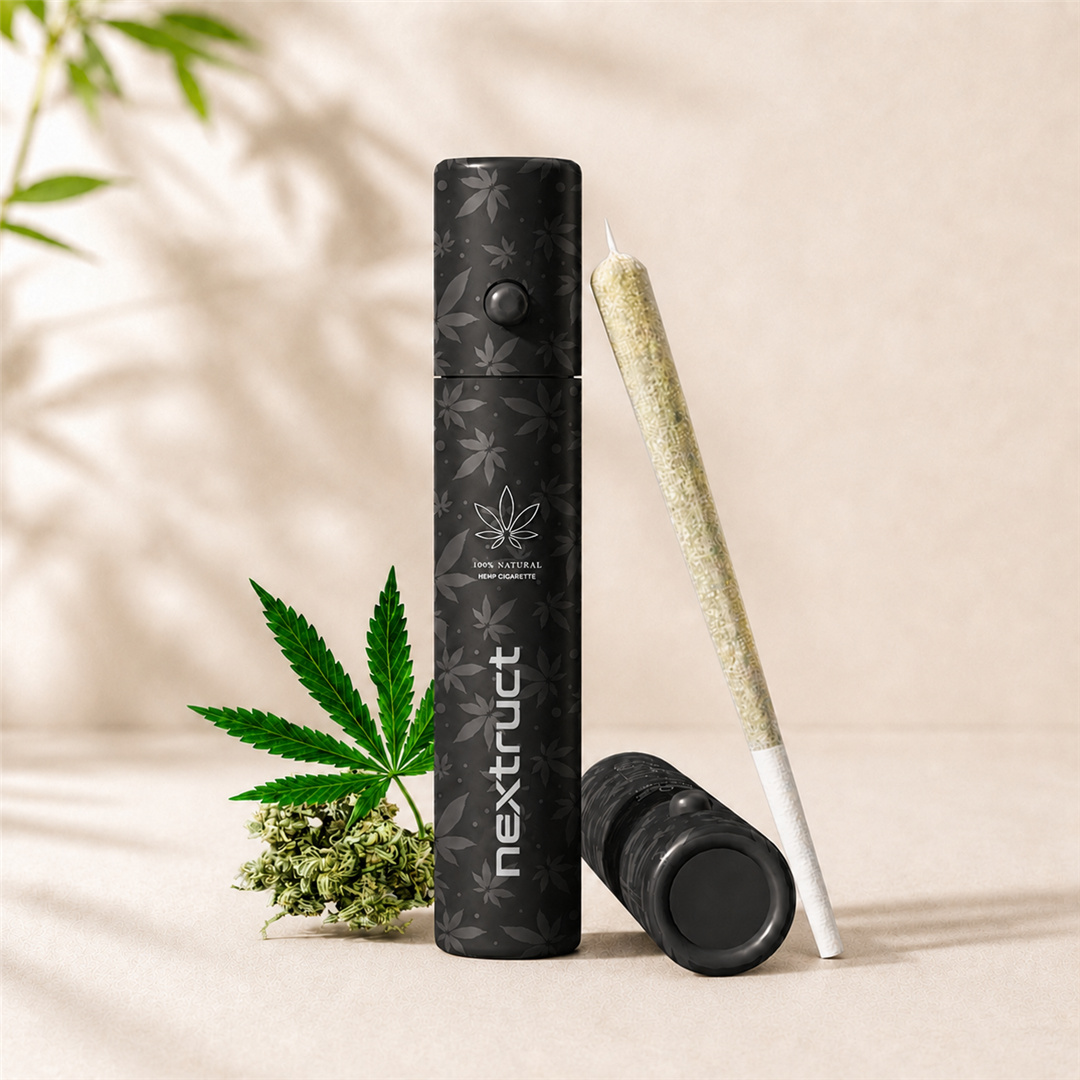
Regulatory frameworks for electronic cigarettes and cannabis products demand child-resistant (CR) mechanisms. Historically, these mechanisms relied on complex multi-part plastic caps. Nextruct’s patented Eco-Friendly Biodegradable CR Paper Packaging replaces these complex plastics with engineered paper locks. The packaging drawings outline a system of push-and-release tabs integrated directly into the paperboard structure. By eliminating the plastic caps, companies dramatically lower their tax footprints while satisfying child safety regulations.
The convergence of AI, material science, and circular design principles.
As we look to the future, the integration of AI in generating packaging drawings is set to streamline the design process. AI algorithms can analyze a brand's product weight, distribution logistics, and target sales regions to automatically generate packaging drawings that minimize plastic tax. These smart designs optimize material usage down to the micro-millimeter, ensuring that no excess plastic is used.
Furthermore, the development of advanced water-resistant paper technologies will allow paper packaging to venture into liquid cosmetic and beverage markets. Nextruct is at the forefront of this shift, utilizing waterproof paper bottle technologies to expand the horizons of paper-based packaging, helping brands achieve true circularity and complete exemption from plastic taxes worldwide.
Engineered for performance, compliance, and brand appeal.