
Leave Your Message
In the modern packaging landscape, the global push toward sustainability is no longer a niche trend; it is a regulatory and commercial mandate. Brands across cosmetics, personal care, food, and wellness are actively seeking alternatives to single-use plastics. Among these alternatives, cylindrical fiber containers—commonly known as paper tubes—have emerged as a premier choice due to their rigidity, aesthetic appeal, and circular lifecycle. However, transitioning from plastic to paper introduces a significant engineering challenge: achieving absolute leak-proof containment.
Historically, paper tubes were restricted to dry goods, powders, and secondary packaging. Today, advanced structural engineering, coupled with state-of-the-art barrier coatings, allows paper containers to hold oils, semi-solids, creams, and even low-viscosity liquids. The foundation of this success lies in the meticulous execution of packaging drawings. A packaging drawing is not merely a visual representation; it is a comprehensive technical blueprint that dictates tolerances, material layers, crimping angles, and barrier integration. Without precise CAD specifications and detailed design requirements, manufacturing a reliable, leak-proof paper tube at scale is virtually impossible.
Global regulations, including the EU's Packaging and Packaging Waste Regulation (PPWR) and various state-level plastic bans in the United States, are forcing brands to reduce plastic weight. High-barrier paper tubes designed with precise technical drawings provide a viable pathway to compliance without sacrificing product shelf-life or safety.
To prevent leakage in a fiber-based container, designers must address three main vulnerability points: the longitudinal seam of the tube body, the bottom closure joint, and the lid interface. Standard paper tubes are wound spirally or parallelly using water-based adhesives. When these tubes come into contact with oils or moisture, the fibers swell, leading to structural failure and product migration.
To counter this, modern packaging drawings specify composite walls. This involves laminating the kraft paper substrate with thin, high-barrier films such as PLA (Polylactic Acid), PBS (Polybutylene Succinate), EVOH, or ultra-thin aluminum foil. The drawing must explicitly detail the overlap of these barrier layers at the seams to ensure there is no exposed paper edge (often referred to as raw-edge wicking).

When creating packaging drawings for leak-proof paper tubes, engineers must adhere to strict dimensional tolerances and material callouts. Below are the critical design requirements that must be integrated into the CAD files:
The rigidity of a paper tube is determined by the number of plies (layers) and the density of the paperboard. For leak-proof applications, a minimum wall thickness of 1.5mm to 2.5mm is generally required to withstand the internal pressure of filling and transport. The packaging drawing must specify:
The bottom of the paper tube is the most common point of failure. Packaging drawings must include detailed cross-sectional views of the bottom joint. There are two primary methods for securing the bottom:
Metal/Plastic Plug Insertion: The drawing must specify the interference fit tolerance between the paper tube's inner diameter (ID) and the plug's outer diameter (OD). A tolerance of ±0.05mm is standard to ensure a hermetic seal.
Paper Bottom Curling/Crimping: If the design is 100% paper-based, the bottom disc must be crimped and heat-sealed to the tube body. The drawing must define the curl radius, the depth of the crimp, and the application area of the heat-activated adhesive or polymer coating.
Always specify a "skived and hemmed" edge on the longitudinal seam in your technical drawings. This process folds the barrier layer over the raw paper edge, preventing the liquid product from wicking into the paperboard core.


The application of leak-proof paper tubes extends far beyond traditional cosmetic powders. By utilizing specialized engineering drawings, manufacturers can customize barrier properties for highly sensitive formulations:
Deodorants, lip balms, sunscreen sticks, and solid perfumes require packaging that can withstand hot-pour filling methods (often between 50°C and 80°C). The packaging drawing must account for thermal contraction and expansion. If the inner barrier liner cannot handle the heat, it will delaminate, causing the oils to seep into the paperboard, resulting in staining and loss of structural integrity. Drawings must specify the thermal rating of the inner lining and the exact tolerance of the push-up mechanism to ensure smooth dispensing.
Essential oils and volatile concentrates are highly corrosive to standard plastics and adhesives. Packaging drawings for these applications require hybrid designs. This includes integrating glass or PCR (Post-Consumer Recycled) plastic jars inside a protective, child-resistant paper tube wrapper. The drawing must detail the cushion spacing and locking mechanisms to prevent rotation and leakage during transport.
The vape industry demands child-resistant (CR) and leak-proof packaging. E-liquids contain propylene glycol and vegetable glycerin, which are highly viscous and prone to migration. Biodegradable CR paper packaging drawings must incorporate specialized gaskets and multi-turn thread designs on the paper caps to prevent evaporation and leakage.
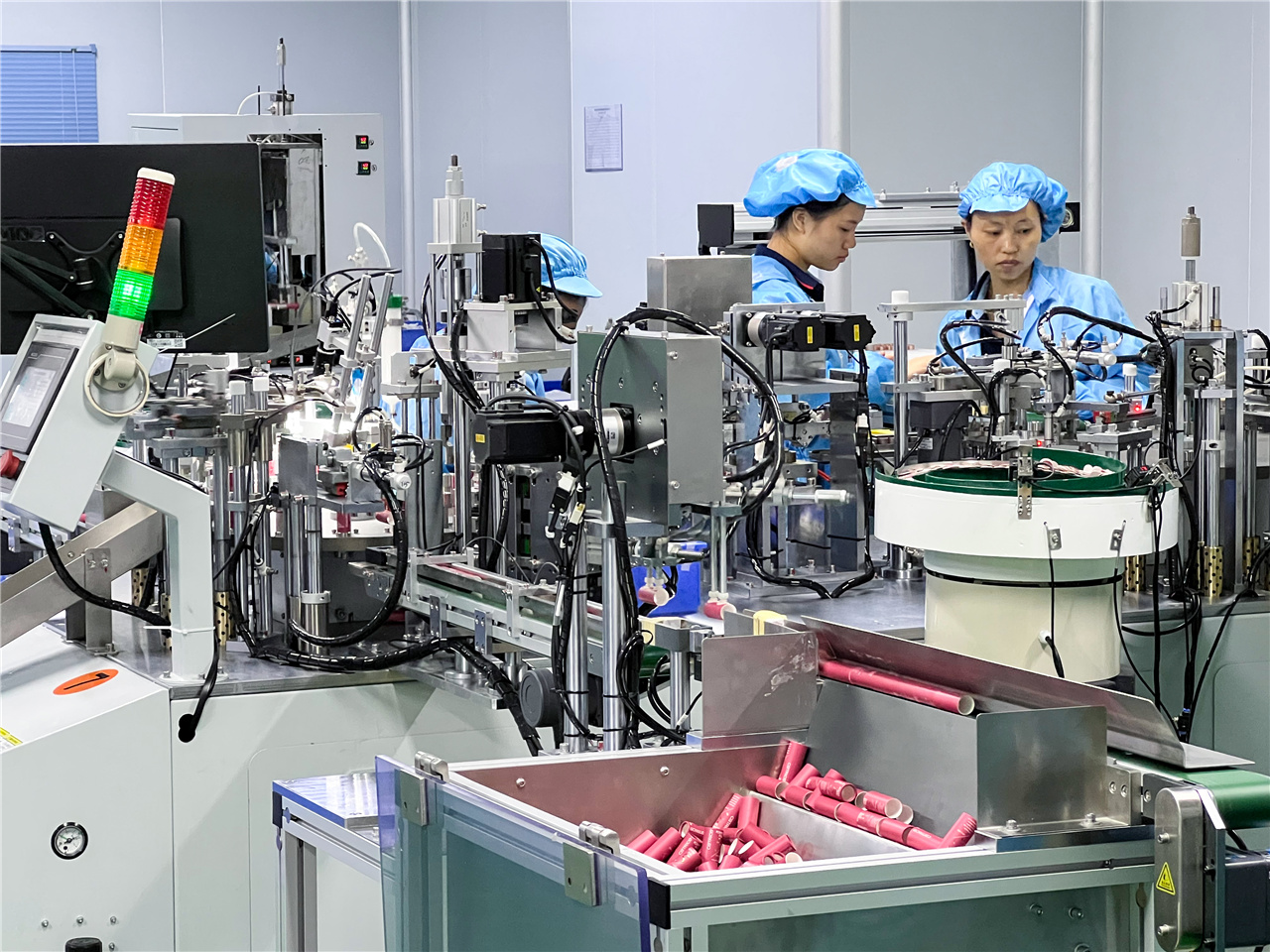
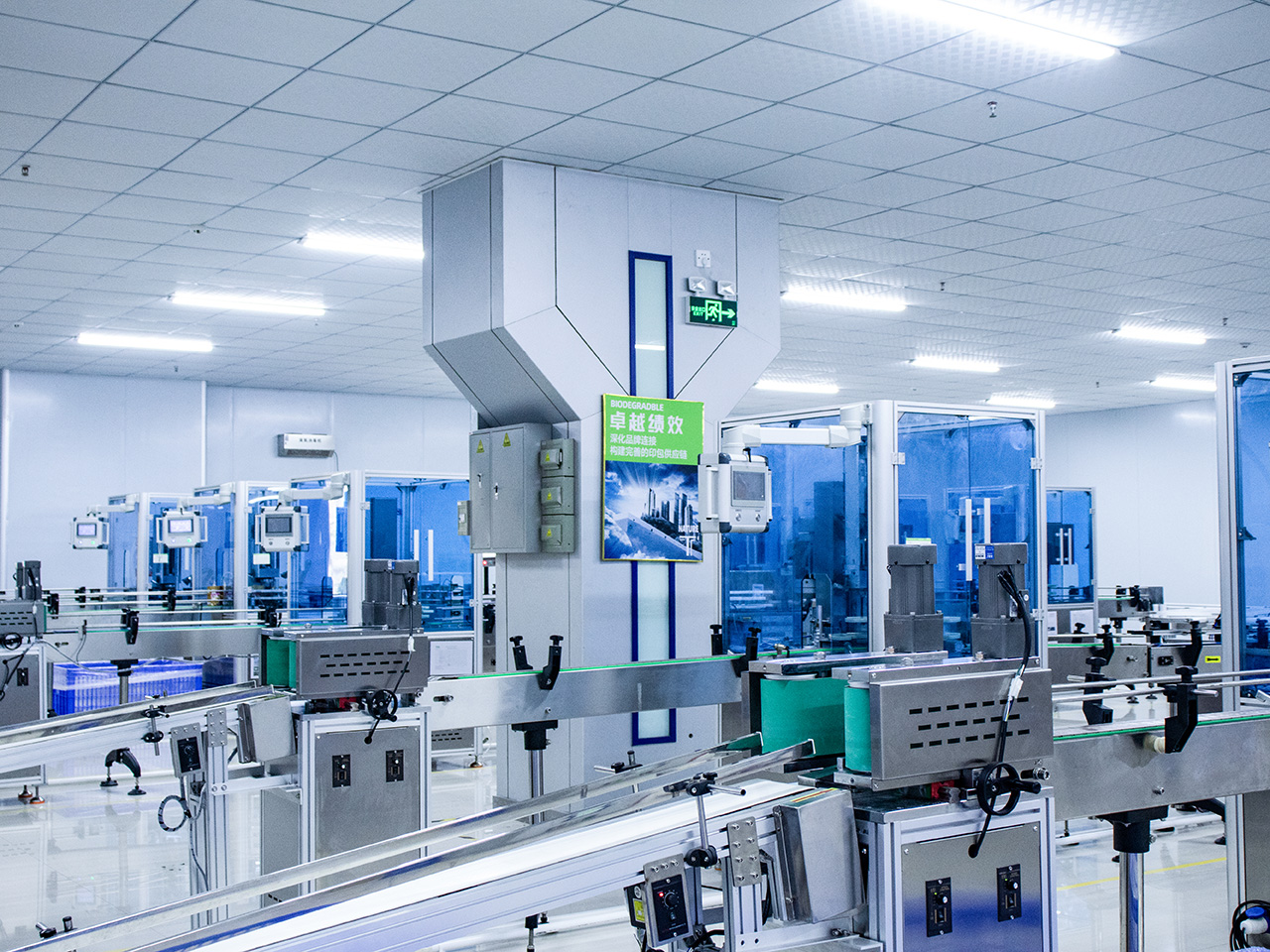
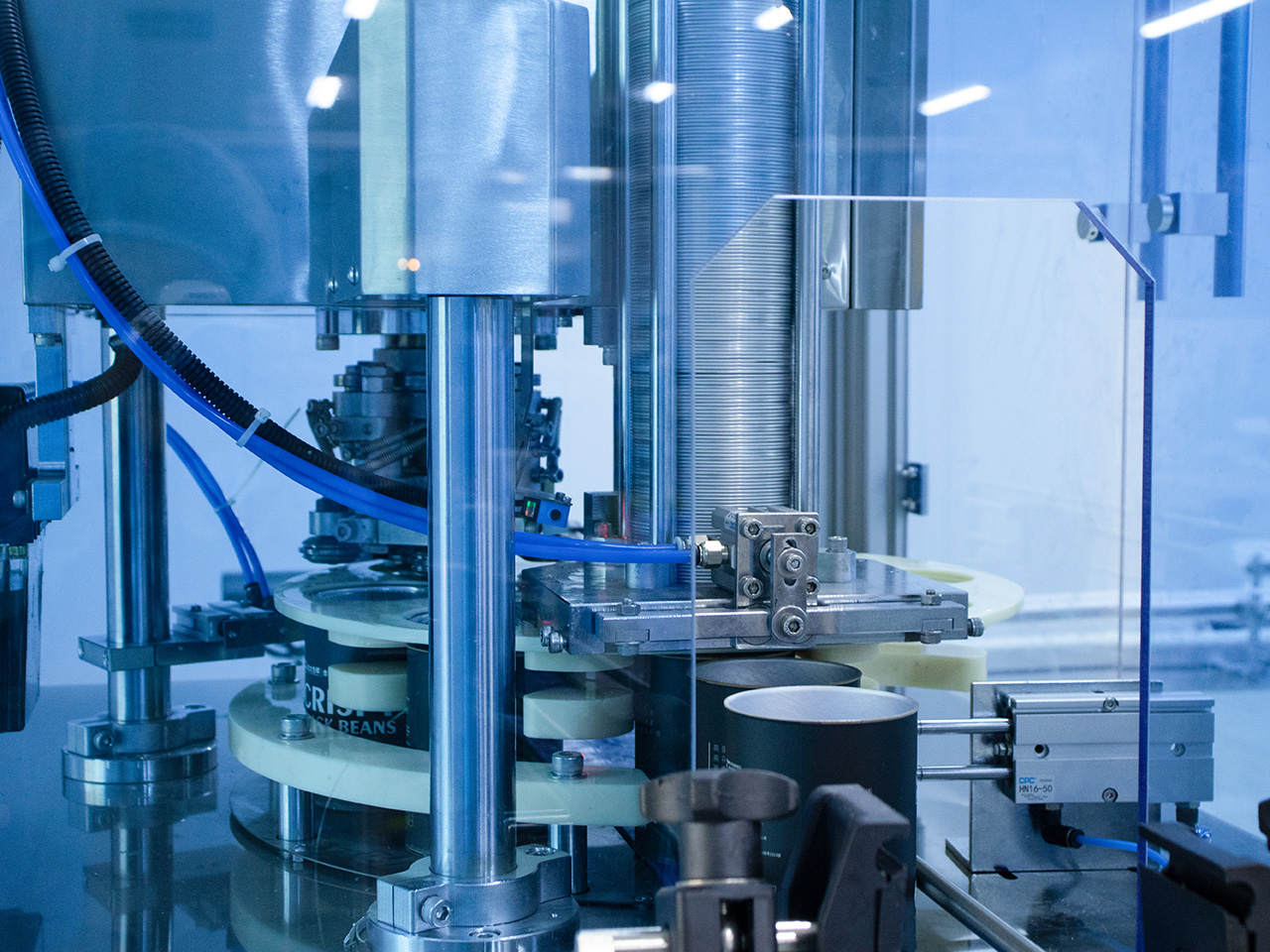
To ensure a leak-proof paper tube transitions successfully from concept to mass production, the engineering drawing must serve as a contract document for quality control. It must outline specific testing protocols and performance metrics:
The packaging drawing should specify the vacuum pressure limit the tube must withstand without collapsing or showing signs of leakage. A standard test involves placing the filled tube in a vacuum chamber at -0.5 bar for 15 minutes.
Because paperboard is flexible, a drop can deform the tube body, breaking the seal at the bottom or lid. Drawings must specify the maximum allowable deformation after a 1.2-meter drop test, ensuring the barrier layer remains intact and non-compromised.
The future of leak-proof paper tubes lies in the elimination of traditional plastic films entirely. Researchers and designers are focusing on aqueous-based barrier coatings and seaweed-derived polymers. These coatings are applied liquid-state during the paper manufacturing process, creating a fully recyclable and compostable barrier. Packaging drawings for these next-generation tubes must specify the coat weight (expressed in g/m² or GSM) to guarantee barrier efficacy.
Modern CAD software allows engineers to simulate stress, moisture absorption, and thermal expansion before physical prototyping. Integrating FEA (Finite Element Analysis) data directly into packaging drawings drastically reduces development cycles and material waste.
 Leak-Proof Custom PCR-PE Squeeze Tube for Cosmetic Packaging
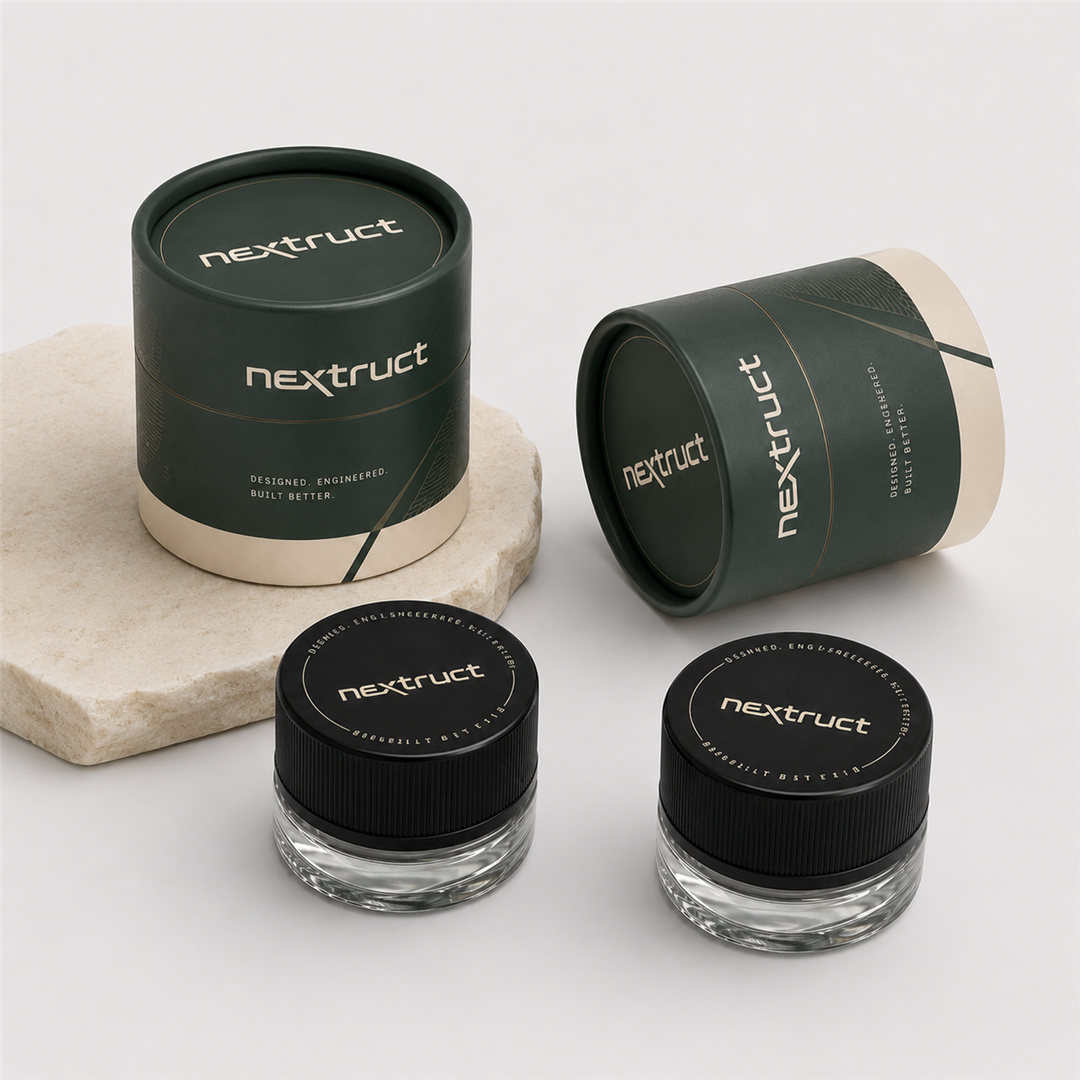 Leak-Proof Paper Concentrate Jar Tube Packaging
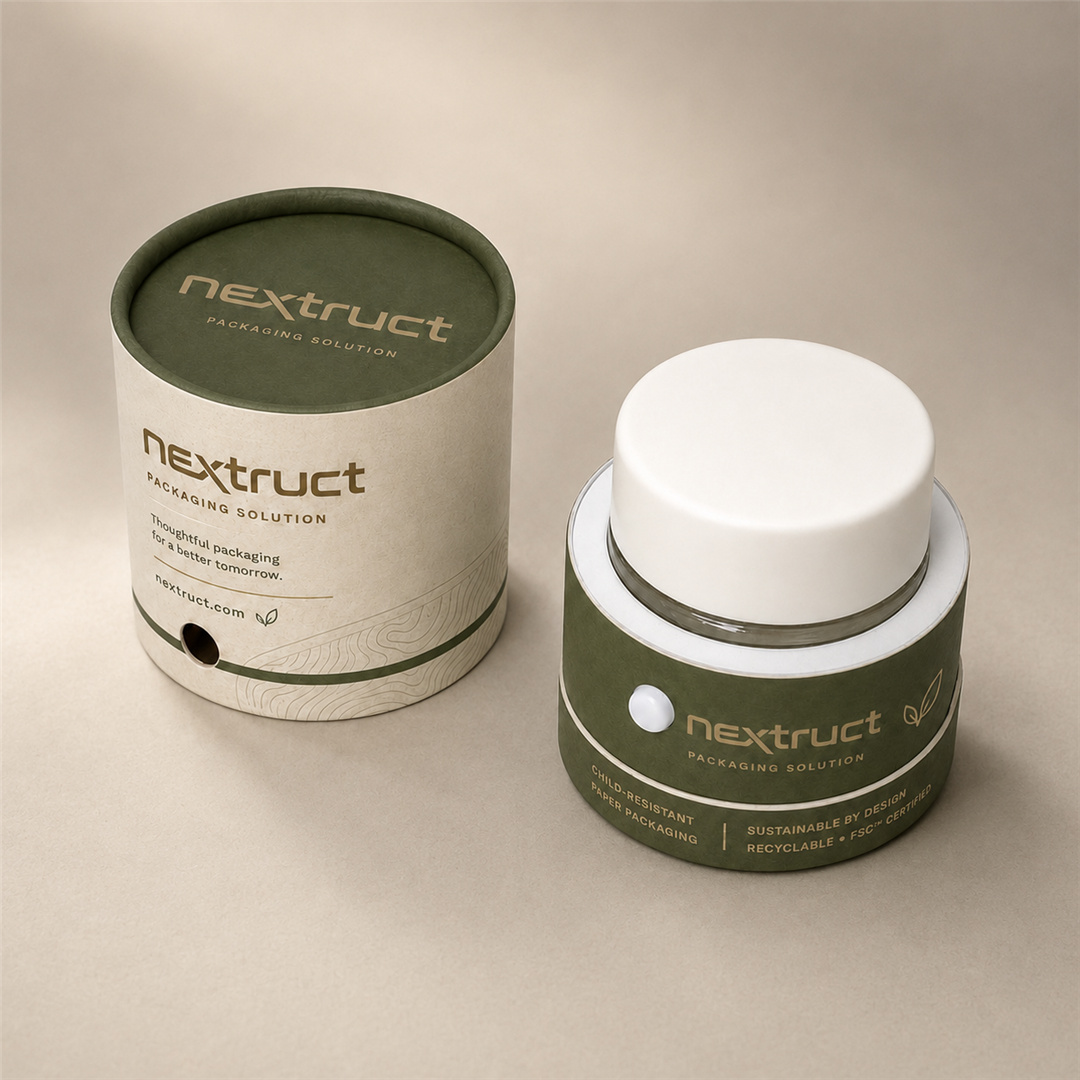 Child-Resistant Leak-Proof Paper Concentrate Jar Packaging
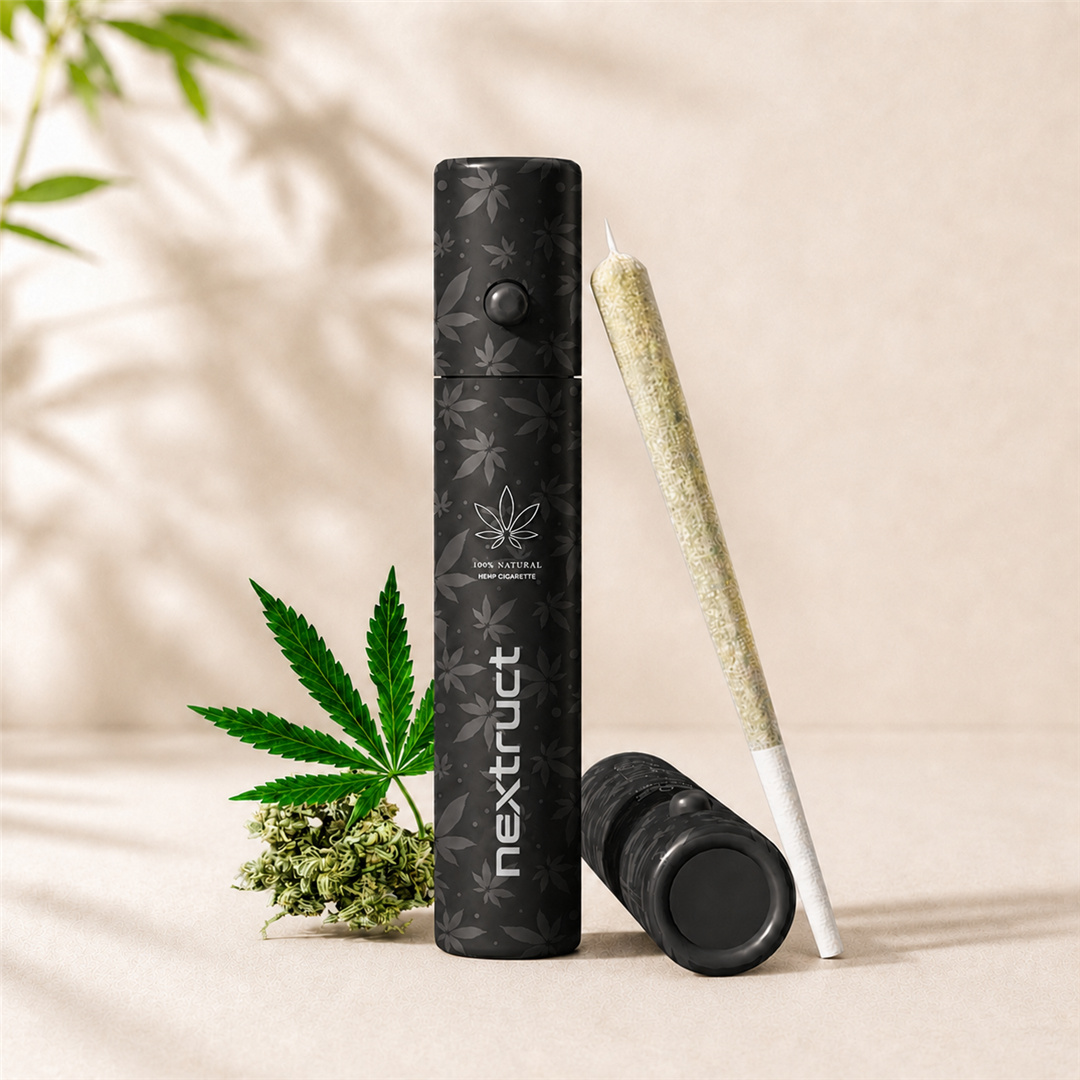 Aroma-Lock & Leak-Proof Paper CR Pre-Roll Tube
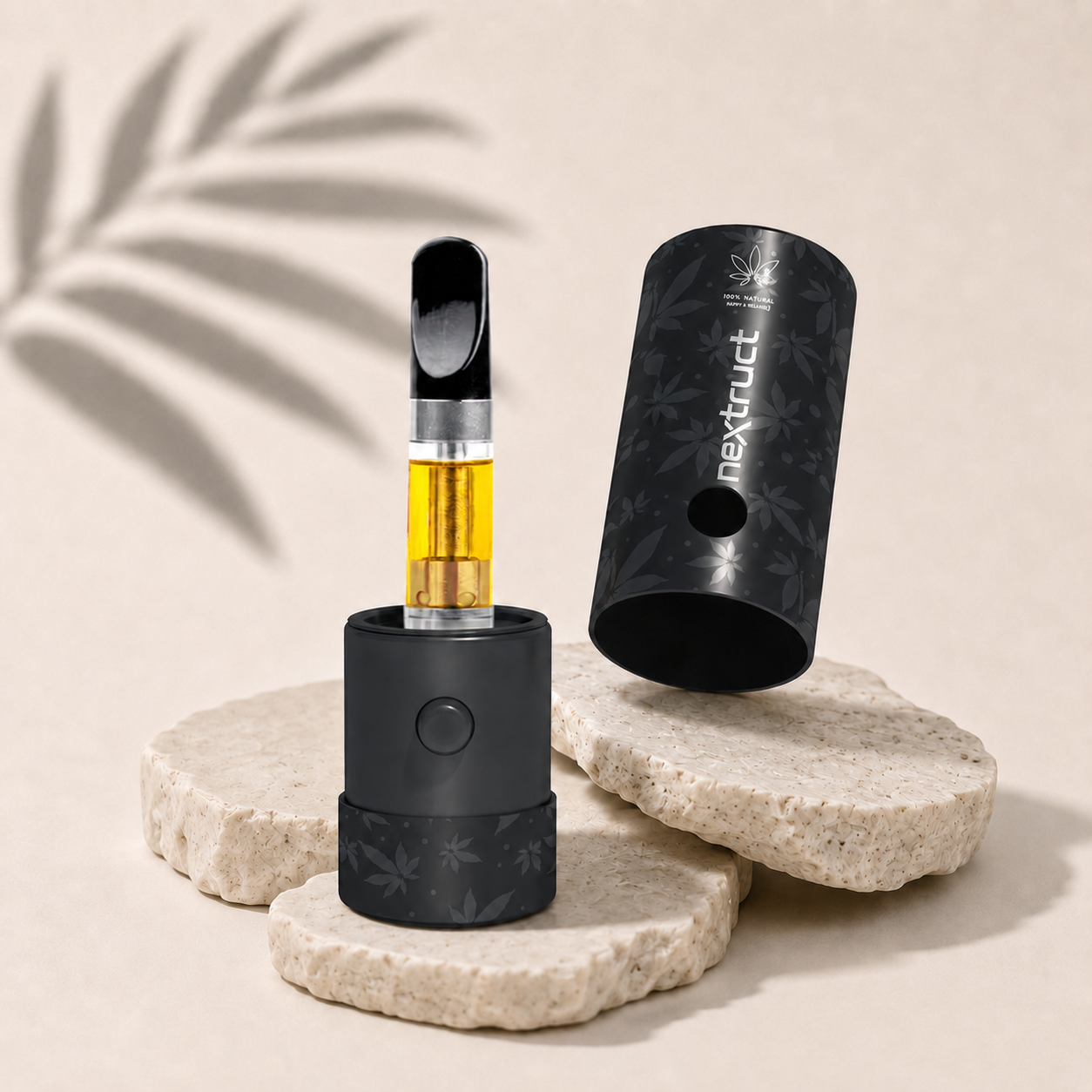 Biodegradable Leak-Proof CR Paper Tube for E-Cigarettes
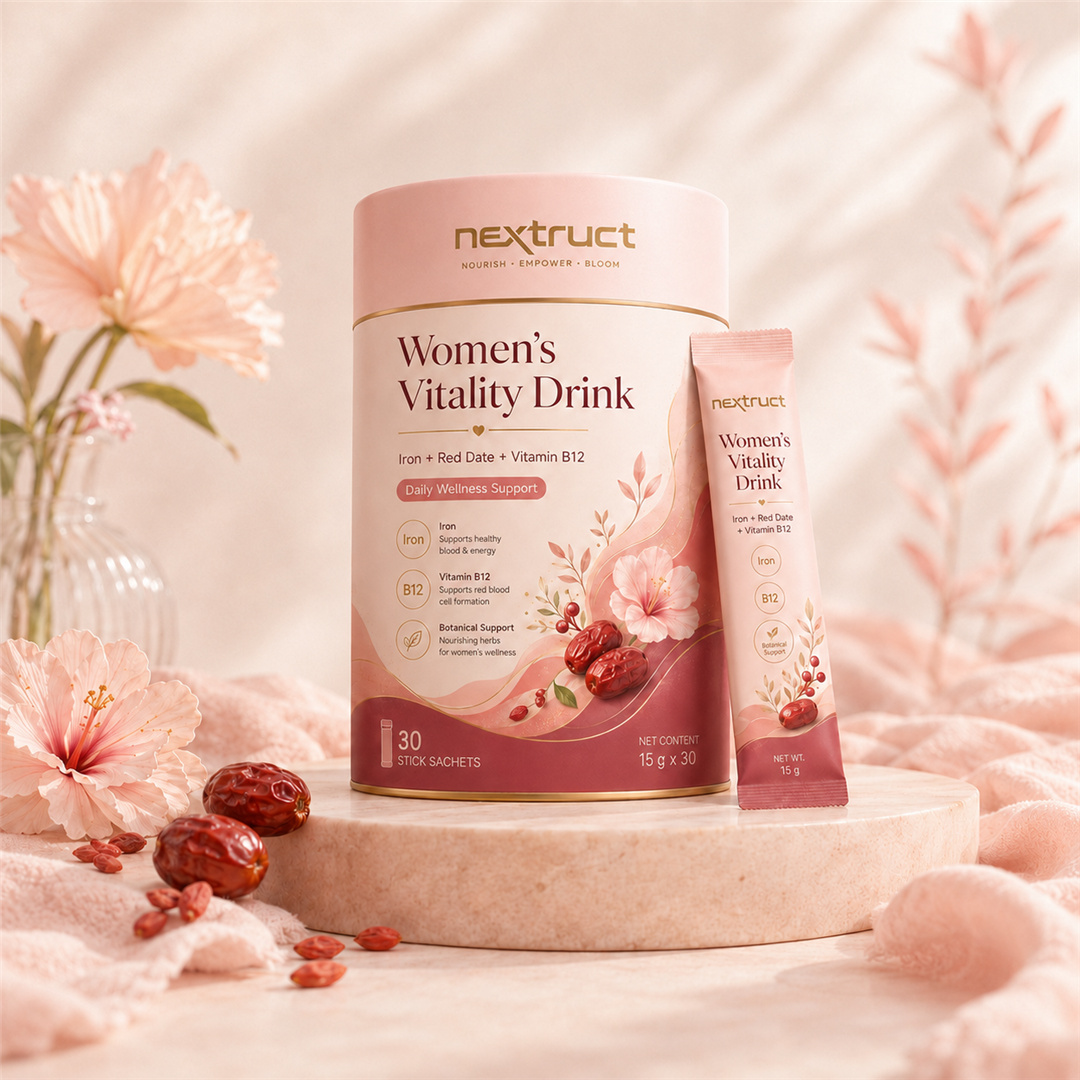 Moisture-Barrier Custom Paper Supplement Tube
Leak-Proof Custom PCR-PE Squeeze Tube for Cosmetic Packaging
Leak-Proof Paper Concentrate Jar Tube Packaging
Moisture-Barrier Custom Paper Supplement Tube
Leak-Proof Custom PCR-PE Squeeze Tube for Cosmetic Packaging
Leak-Proof Paper Concentrate Jar Tube Packaging