Leave Your Message
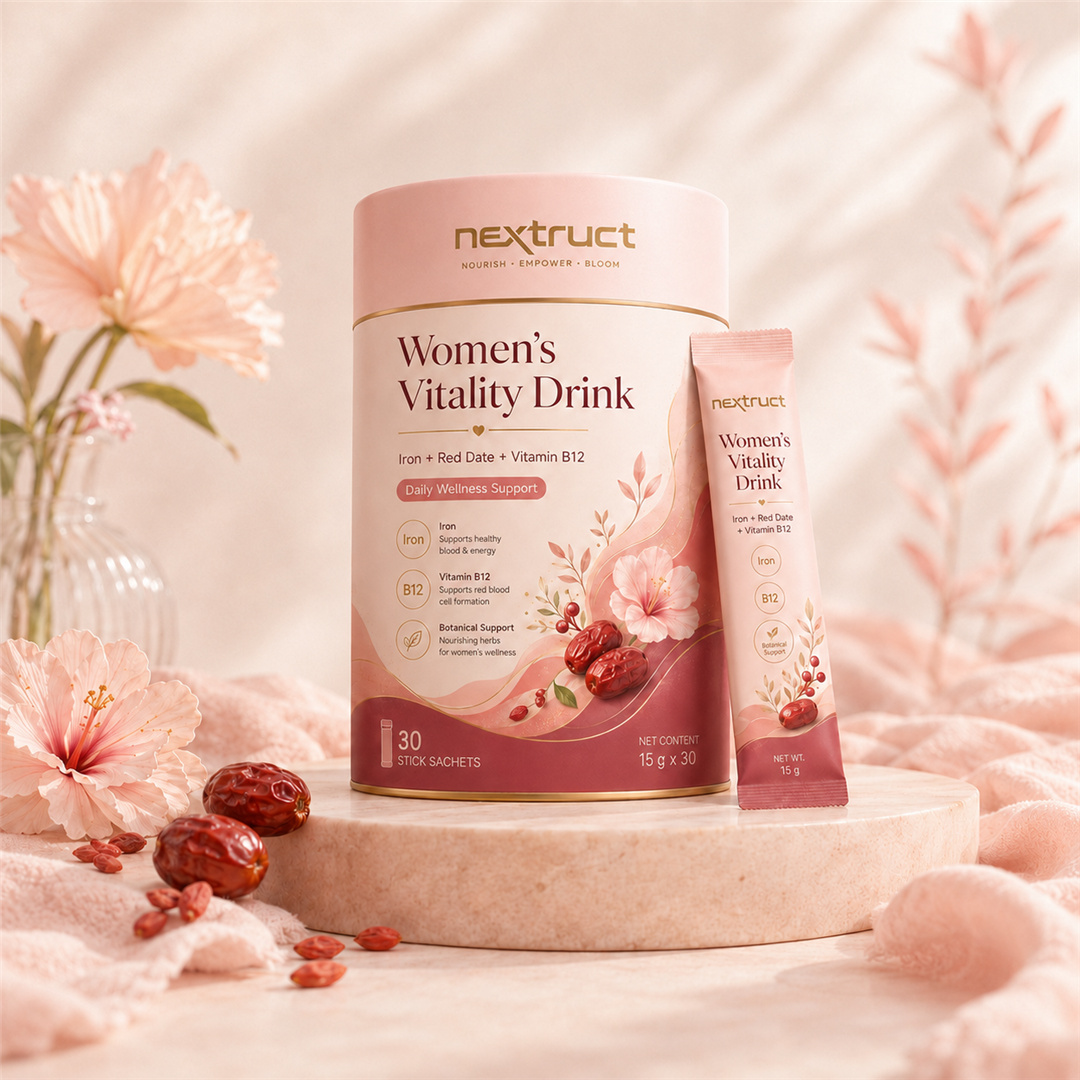
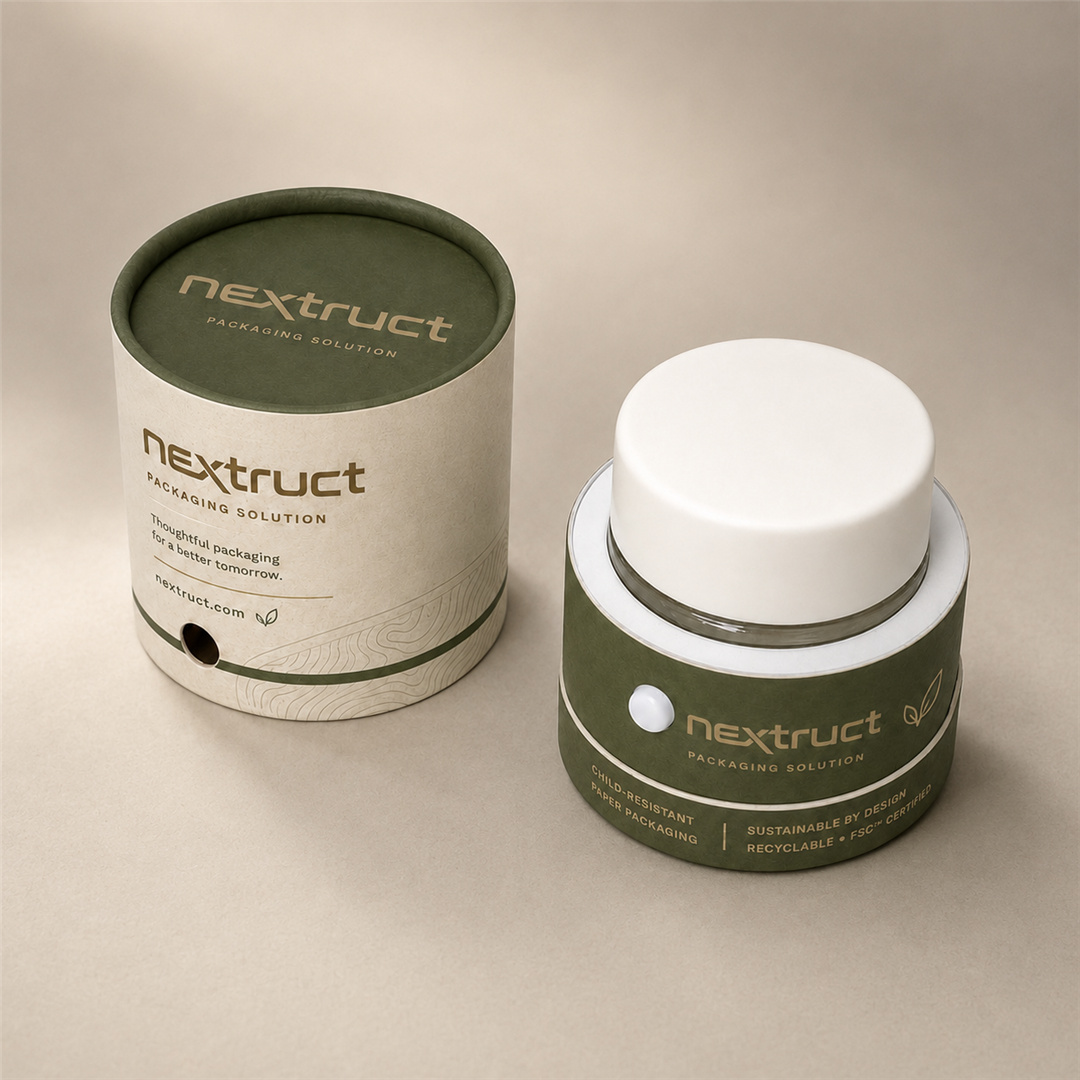
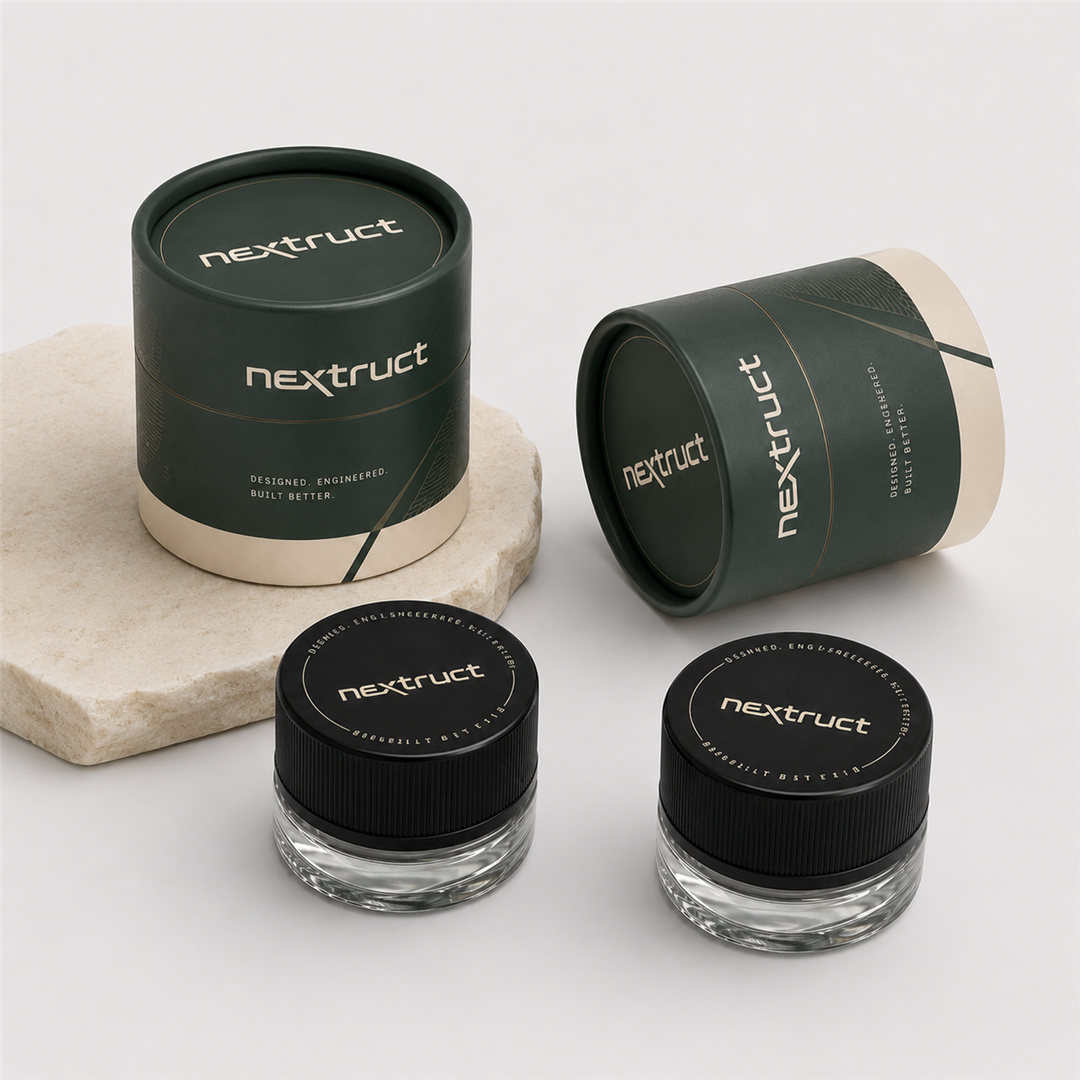
The global cosmetics industry is experiencing an unprecedented evolution. Consumers demand clean formulations, brands strive for rapid product launches, and regulatory bodies mandate strict environmental compliance. However, behind every beautiful eyeshadow palette or cosmetic collection lies a highly complex, fragmented supply chain that threatens brand efficiency, profitability, and sustainability goals.
Traditionally, developing a makeup palette requires coordinating with multiple distinct vendors. A brand might source raw paperboard from one supplier, custom-molded plastic pans from another, mirrors from a third, magnetic closures from a fourth, and finally, rely on a separate assembly plant to put everything together. This fragmented packaging supply chain introduces significant challenges:
When component parts are manufactured in isolation across different factories, minor dimensional variances accumulate. A fraction of a millimeter discrepancy in a paperboard slot or plastic pan can result in loose fits, misaligned closures, or structural failures during shipping, leading to high rejection rates.
Shipping semi-finished components back and forth between raw material suppliers, secondary processors, and contract fillers inflates transit times and dramatically increases the carbon footprint of the final product. In an era where carbon neutrality is a key metric, this model is unsustainable.
Managing multiple suppliers means navigating different production schedules, lead times, and shipping delays. If one supplier fails to deliver on time, the entire launch timeline is jeopardized, causing brands to miss critical seasonal buying windows.
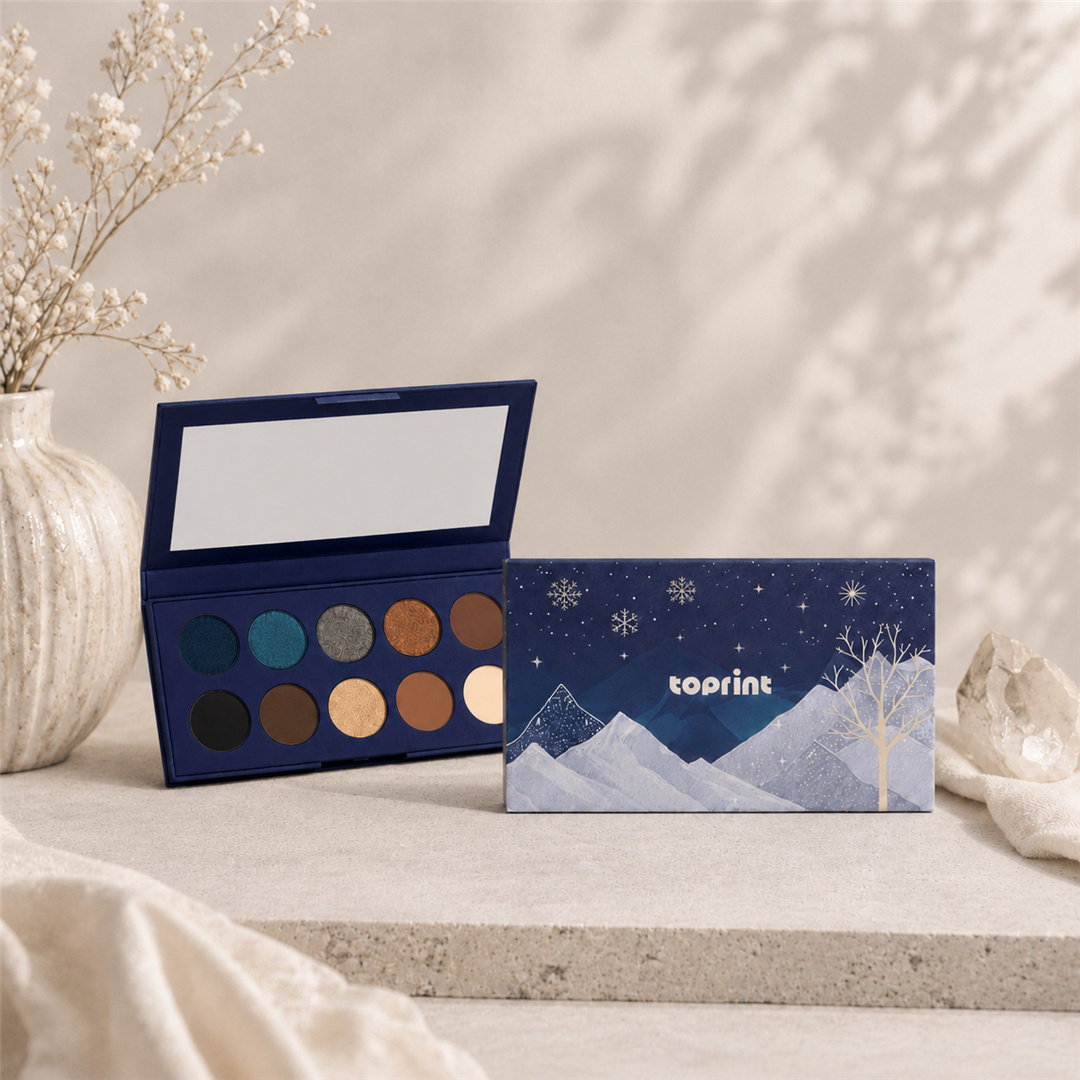
The solution to supply chain fragmentation lies in structural packaging engineering. By designing integrated packaging solutions that utilize paper-based and hybrid materials, Nextruct eliminates the need for complex, multi-material assemblies. Instead of relying on separate plastic trays and magnetic inserts, modern structural design permits the creation of mono-material paper eyeshadow palettes with built-in paper wells, friction-fit locks, and integrated biodegradable components.
This unified design philosophy drastically reduces the Bill of Materials (BOM) for cosmetic brands. Fewer components mean fewer suppliers to manage, simplified assembly lines, and a dramatic reduction in administrative overhead. Furthermore, structural innovation ensures that these eco-friendly alternatives do not compromise on the luxurious tactile feel or protective durability that high-end beauty brands demand.

 100+ Cities Worldwide Served

How Nextruct's structural engineering simplifies supply chains across various product categories and market sectors.
Prestige brands require packaging that reflects luxury while adhering to strict environmental standards. By replacing traditional plastic-heavy eyeshadow palettes with Nextruct's Eco Paper Eyeshadow Palette with Flip Cover, brands achieve a premium look through textured FSC paper, soy ink printing, and customized debossing. The entire structure is biodegradable, eliminating the multi-supplier coordination of plastic pan molds and magnetic snaps.
For fast-beauty brands launching seasonal collections (highlighters, contours, blushes), tooling costs for plastic molds can be prohibitive. Nextruct's rapid visual modeling and flexible paper-based tooling allow brands to create multiple palette configurations without high upfront costs. This agility enables brands to quickly pivot based on trending consumer demands while keeping their supply chains local and responsive.
Direct-to-Consumer (D2C) brands face the challenge of product damage during shipping. Traditional palettes often break, or pans dislodge under impact. Nextruct's hybrid packaging integration combines shock-absorbing fiber structures with protective outer sleeves. This ensures that the primary makeup products are cushioned naturally, eliminating the need for excessive bubble wrap and secondary plastic protection.
The future of cosmetic packaging is circular. As global regulations like the European Union's Packaging and Packaging Waste Regulation (PPWR) tighten, brands are forced to design for end-of-life recycling. The industry is moving rapidly toward mono-material designs, where the entire palette—including the hinge, tray, and cover—is made from a single material class (such as paper fiber or PCR plastic), making it effortless for consumers to recycle.
Refillable makeup palettes are another key trend. Consumers purchase a high-quality, durable outer case once and replace only the product pans. This model relies heavily on precise structural engineering to ensure that refill pans lock securely into place without the use of permanent adhesives or hard-to-recycle magnets. Nextruct is at the forefront of this movement, engineering paper-based tension locks that provide a satisfying "click" while remaining completely plastic-free.
Supply chain transparency is no longer optional. Modern makeup palette packaging is incorporating QR codes and NFC chips to give consumers visibility into the product's origin, ingredients, and recycling instructions. In the backend, these smart elements allow brands to track inventory and detect counterfeits in real time.
By integrating these digital markers directly into the structural print layout during the primary manufacturing phase, Nextruct helps brands bypass secondary labeling processes, further streamlining the supply chain and reducing overall production steps.
How we bridge the gap between structural engineering, global logistics compliance, and sustainable brand identity.
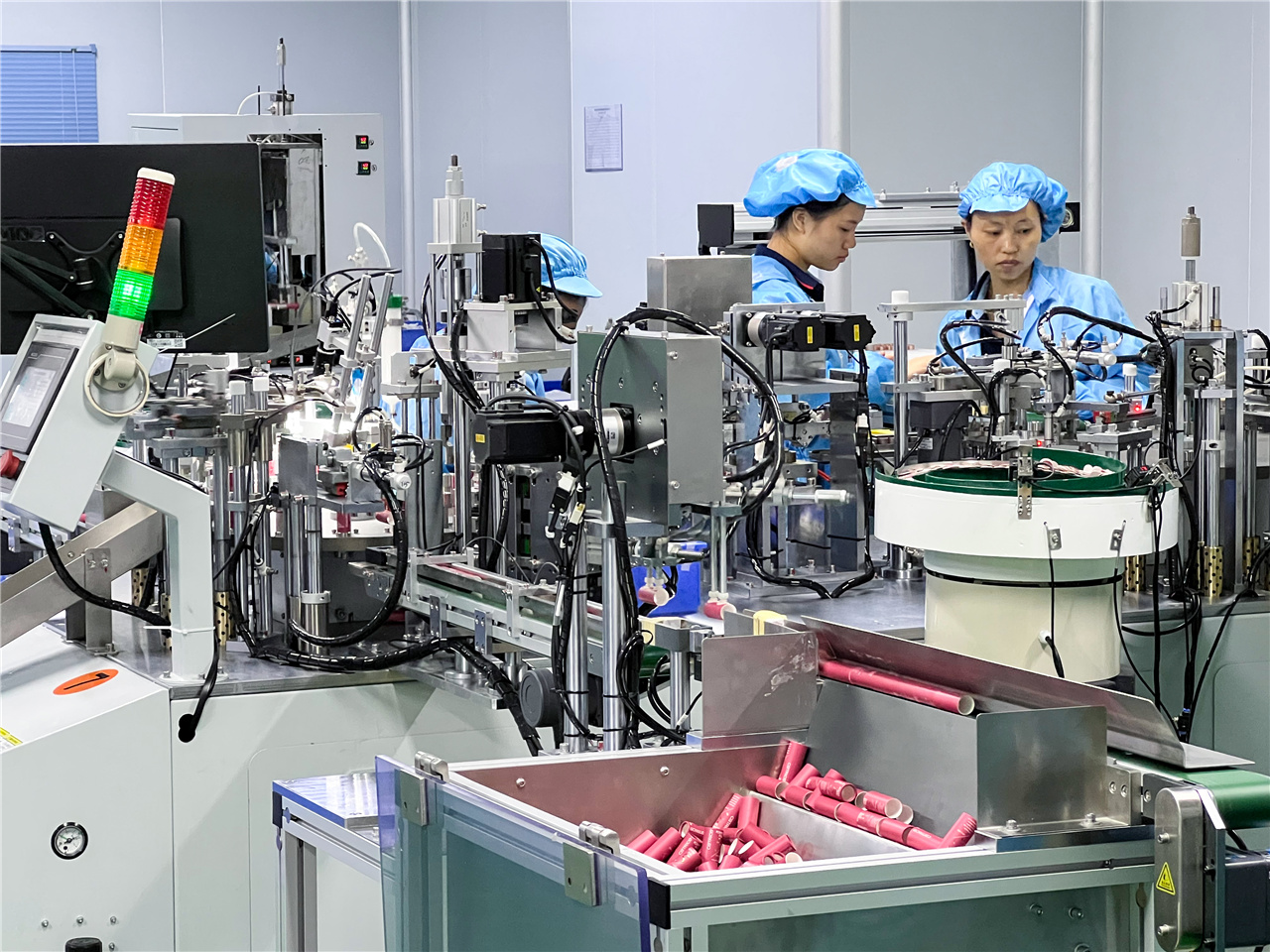
We integrate structural engineering and design capabilities with a global supply chain to provide end-to-end solutions from concept development to mass production and delivery, helping brands achieve packaging innovation and market differentiation.
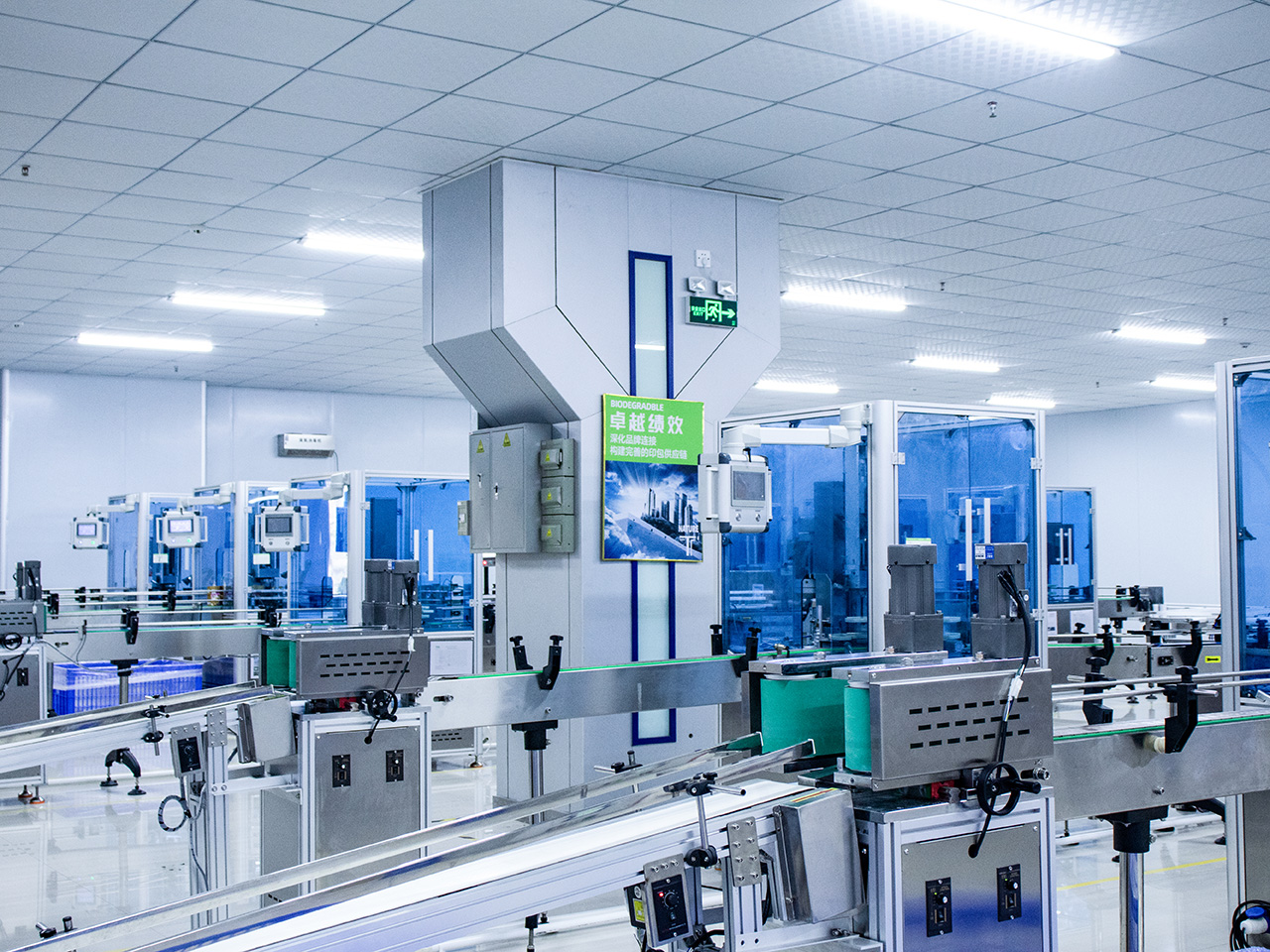
Nextruct strictly adheres to three ISO management systems and the SA8000 social responsibility standard, and holds FSC certification, ensuring its production and supply chain are compliant and well-regulated, providing global clients with compliant, high-quality, and environmentally friendly product solutions.
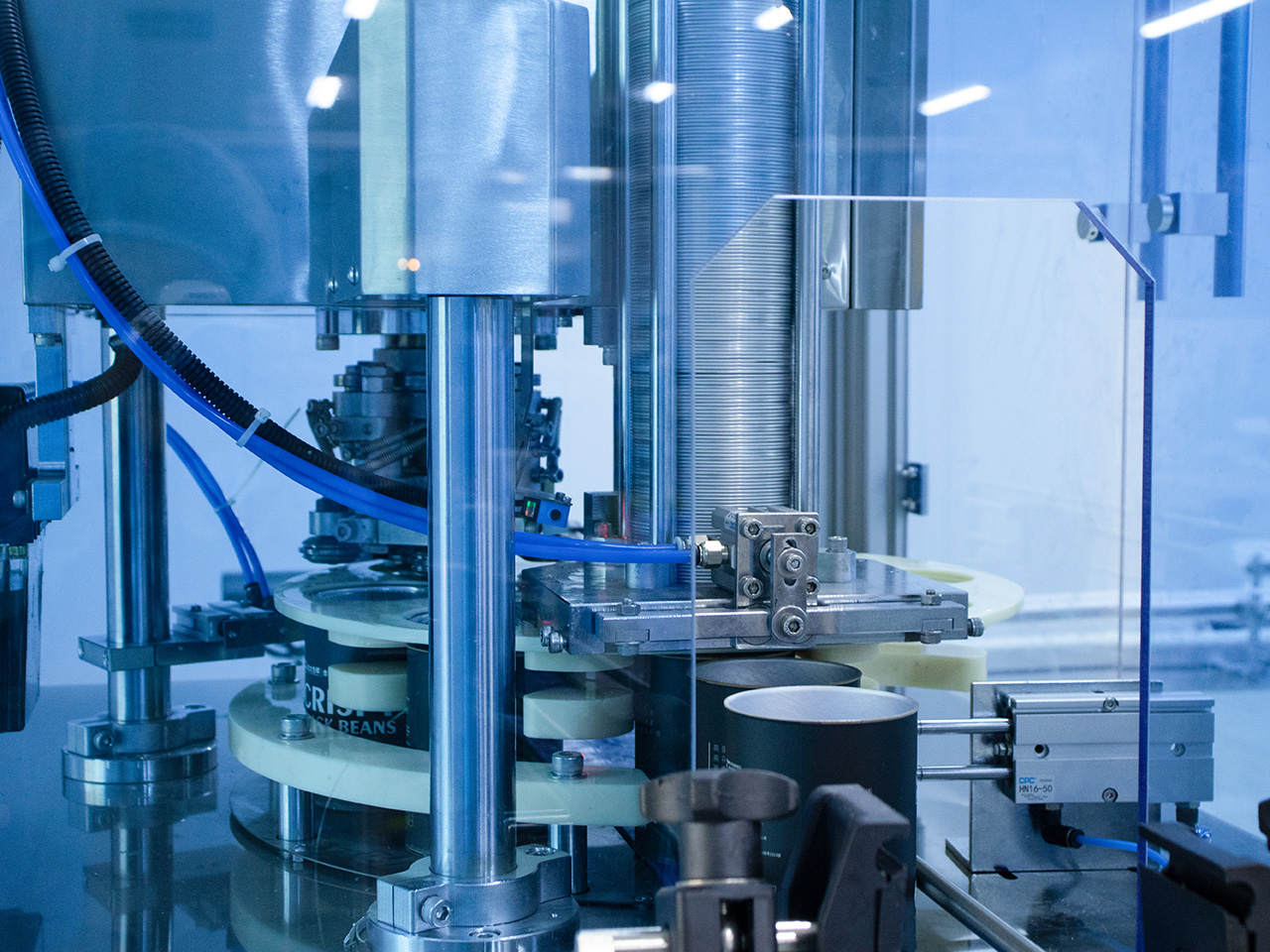
More than a regular packaging supplier, we serve as your reliable long-term ally to advance continuous packaging innovation.
In global e-commerce, shipping costs are calculated based on dimensional weight rather than actual weight. Traditional bulky plastic makeup packaging often incurs high shipping fees due to inefficient space utilization. By utilizing custom-engineered paperboard structures, Nextruct designs cosmetics palettes that fold completely flat or nesting components that reduce volume during transit. This optimization directly translates to lower freight costs and a smaller carbon footprint per unit.
Every paper component sourced through Nextruct carries FSC (Forest Stewardship Council) certification, guaranteeing that the wood fibers are harvested from responsibly managed forests. By aligning our supply chain with FSC standards and ISO quality systems, we provide beauty brands with the documentation needed to prove compliance with strict retail mandates and international customs import regulations, avoiding delays and administrative bottlenecks.