Leave Your Message
The global beauty and personal care industry is undergoing a monumental paradigm shift. As regulatory frameworks tighten across North America, Europe, and Asia-Pacific, cosmetic brands are no longer just competing on aesthetic appeal and formula efficacy. Today, compliance with international safety protocols and Child-Resistant (CR) packaging directives has become a core commercial imperative. Specifically, the demand for makeup glass containers engineered for safety and regulatory compliance has skyrocketed.
Historically, glass has been the gold standard for luxury cosmetics due to its chemical inertness, premium tactile feedback, and infinite recyclability. However, the rise of highly concentrated active formulations (such as pure retinol, concentrated chemical peels, and botanical oils) alongside the growth of CBD-infused and wellness-oriented beauty products has introduced new hazards. These products, if accessed by children, pose significant risks of accidental ingestion or chemical exposure. Consequently, international bodies like the ISO, the European Committee for Standardization, and the U.S. Consumer Product Safety Commission (CPSC) have extended strict CR compliance rules (such as 16 CFR § 1700.20 and EN ISO 8317) into the cosmetic and personal care sectors.
Unlike plastics, which can degrade or leach harmful chemicals when exposed to volatile essential oils and active ingredients, high-quality cosmetic glass provides an absolute barrier. It preserves the integrity of the formula, prevents oxidation, and ensures that the product remains pure from the production line to the consumer's vanity. By integrating child-resistant closures and safety seals with premium glass containers, manufacturers can deliver products that are both biologically stable and physically secure.

Implementing Child-Resistant (CR) mechanisms on makeup glass containers is a sophisticated engineering challenge. The mechanism must be sufficiently complex to prevent children under five from opening the container within a standardized testing window, yet intuitive enough for senior citizens and adults to access without frustration. This balance of safety and accessibility is governed globally by standards such as BS EN ISO 8317 and US 16 CFR 1700.
In the luxury cosmetics space, standard pharmaceutical child-proof caps often fall short of the aesthetic expectations of consumers. Brands require custom, high-end designs where safety mechanisms are seamlessly hidden within sleek closures. This is where Nextruct’s structural engineering expertise comes into play. By integrating hidden locking mechanisms, push-and-turn collars, and multi-step squeeze caps with beautifully crafted glass bottles, Nextruct bridges the gap between stringent safety compliance and high-end cosmetic design.
In the United States, the Poison Prevention Packaging Act (PPPA) regulates hazardous household substances, including certain cosmetics. In Europe, the General Product Safety Regulation (GPSR) and the cosmetic regulation EC No 1223/2009 demand rigorous safety assessments. As clean beauty and clinical skincare continue to merge, packaging must evolve to meet these regulatory intersections. Nextruct ensures that all hybrid packaging designs, including fiber-and-glass combinations, undergo extensive compliance testing to guarantee seamless entry into international markets.


The application of international safety and CR compliant makeup glass containers is vast, spanning across multiple beauty and wellness sub-sectors. Let us explore the critical scenarios where these technologies are indispensable:
Products containing high percentages of Vitamin C, retinol, chemical exfoliants (AHAs/BHAs), and botanical concentrates require packaging that prevents degradation and unauthorized access. Glass bottles paired with CR-certified droppers or airless pump mechanisms ensure that children cannot access these potent formulas, while protecting the active compounds from light and air exposure.
High-purity essential oils can be toxic if ingested in large quantities by children. The industry standard mandates the use of amber or UV-coated glass containers equipped with child-resistant dropper caps. Nextruct’s hybrid solutions combine the protective nature of glass with biodegradable fiber outer sleeves, adding an extra layer of shock absorption and premium brand storytelling.
As the legalization of CBD and THC-infused cosmetics expands globally, packaging regulations have become exceptionally stringent. In many jurisdictions, any product containing cannabinoids must be housed in child-resistant packaging. Luxury glass jars with CR-compliant screw lids allow CBD beauty brands to maintain their premium positioning while strictly adhering to local state and national laws.
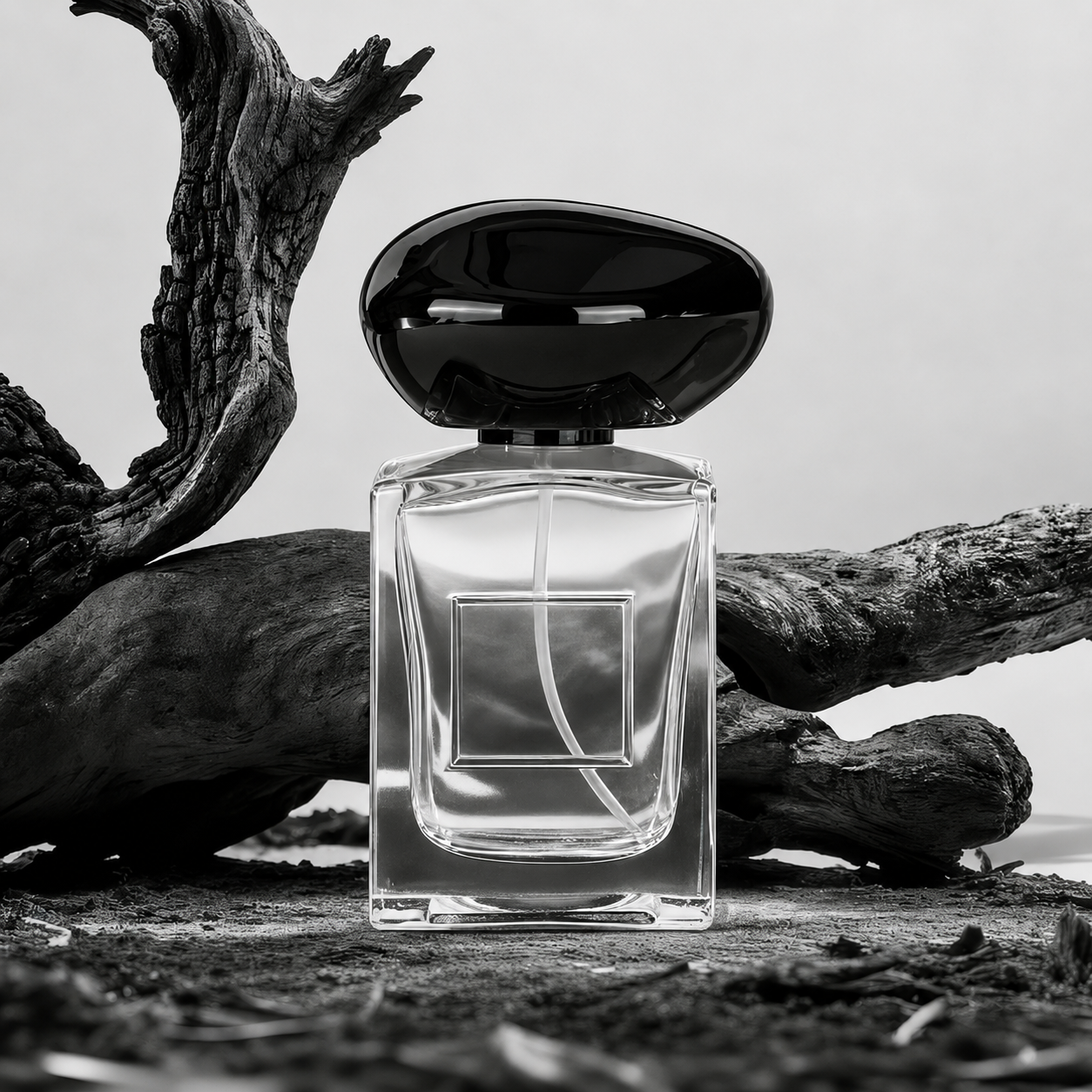
High-end perfumes contain high concentrations of alcohol and synthetic or natural fragrance compounds. Custom luxury glass perfume bottles, when integrated with secure, tamper-evident, and child-resistant spray pumps, offer both safety and an elite sensory experience. This is crucial for brands targeting global markets where safety compliance is non-negotiable.
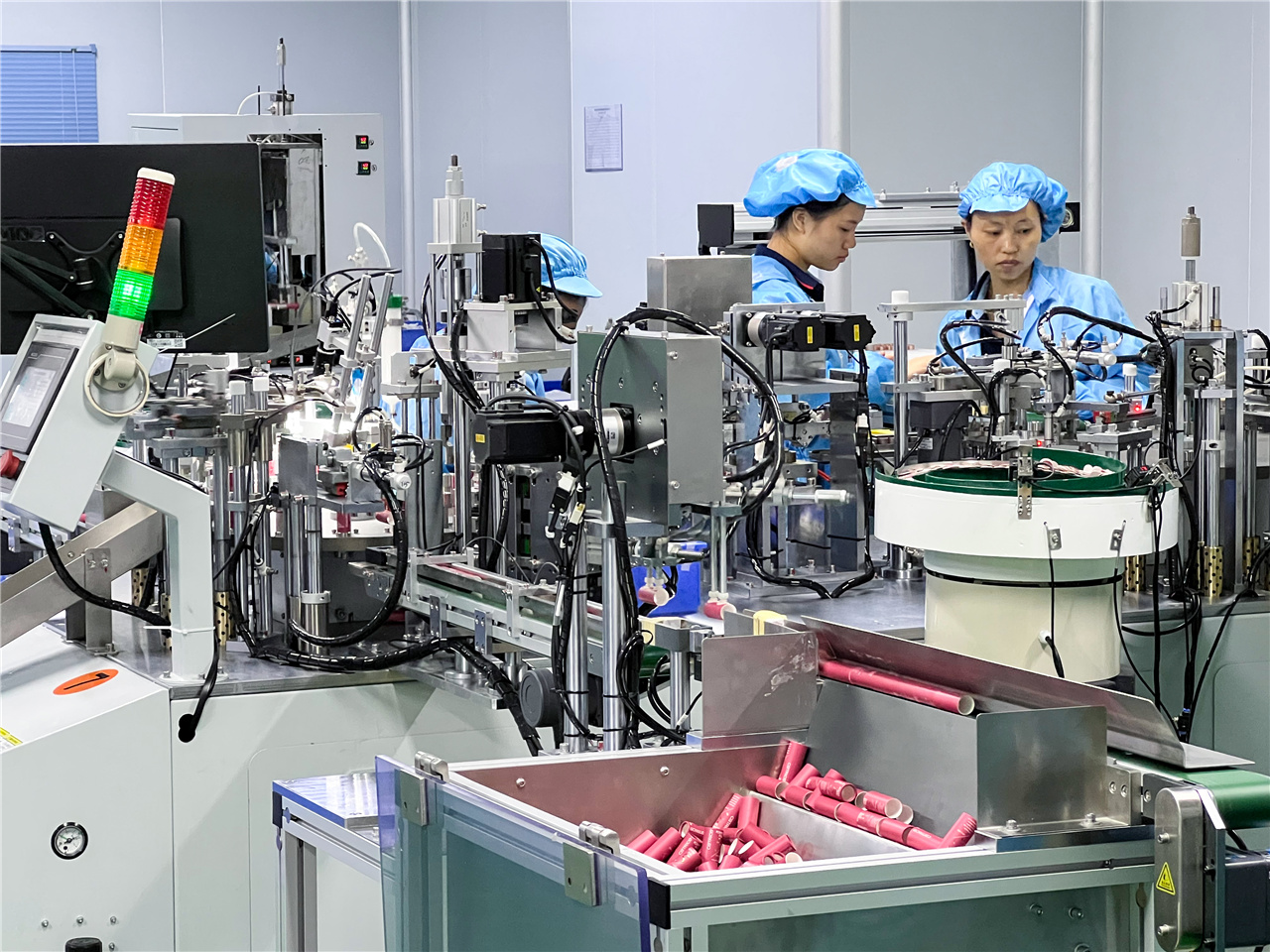
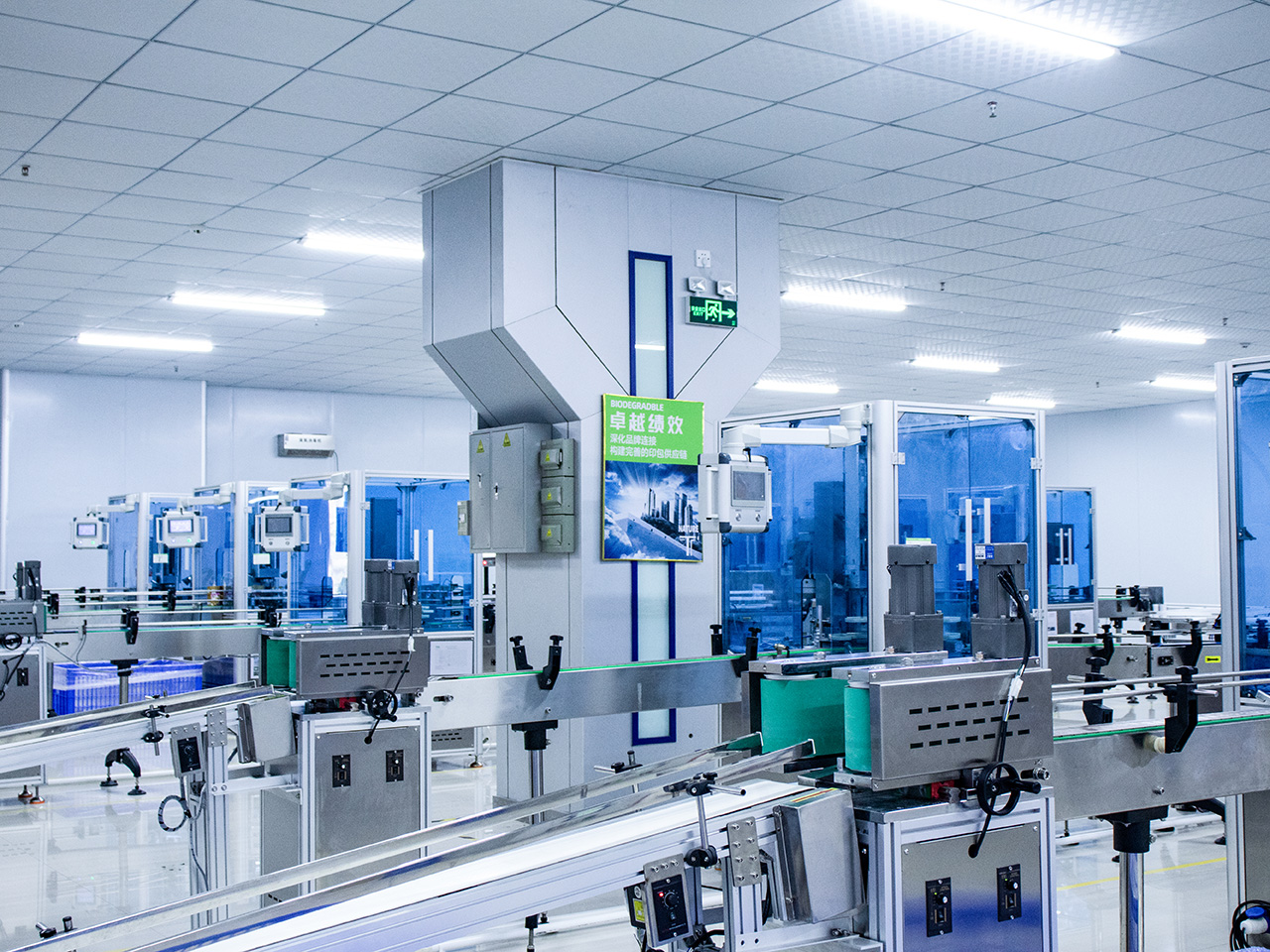
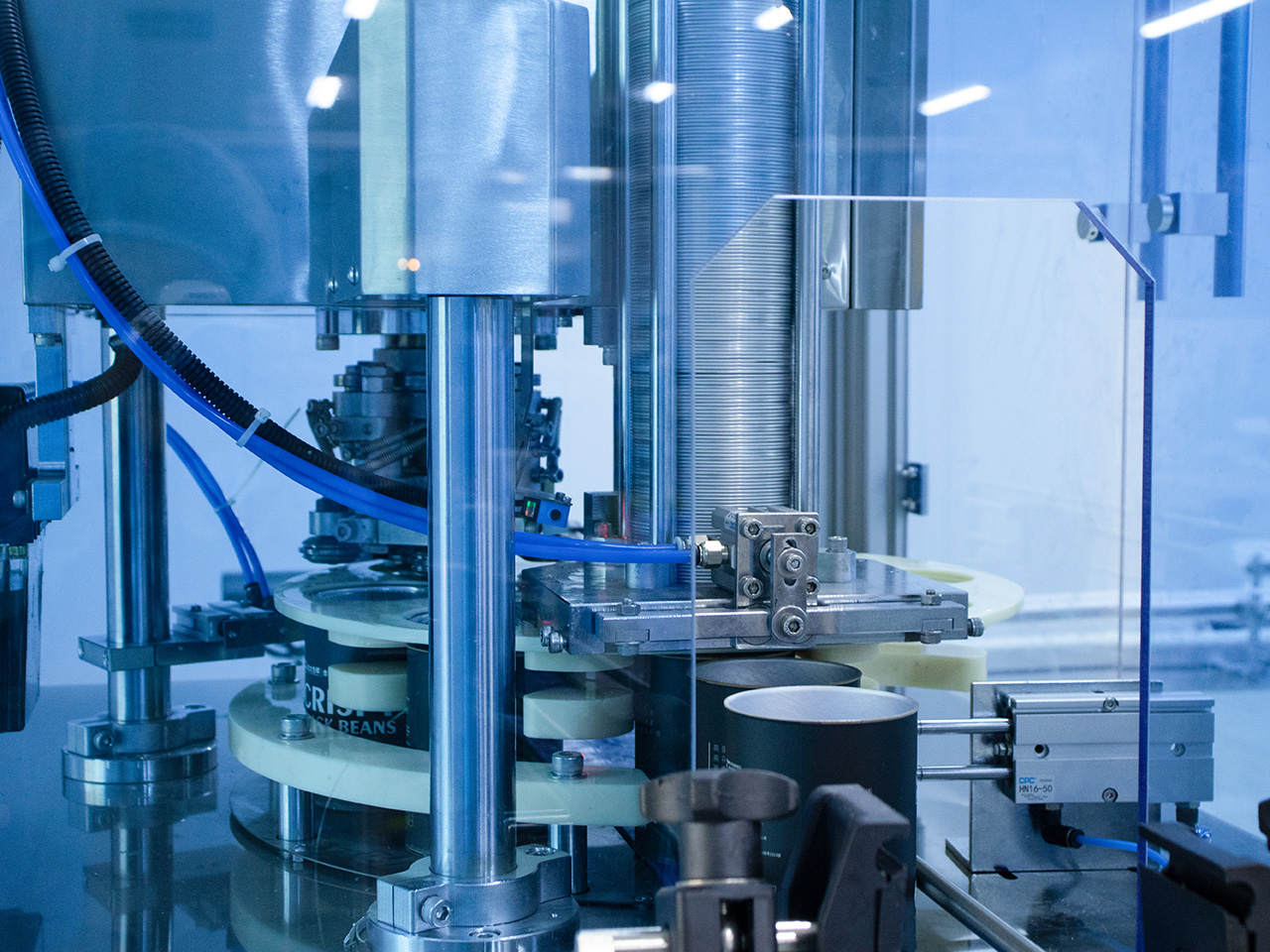
The future of cosmetic packaging lies at the intersection of safety, sustainability, and technological innovation. Traditionally, child-resistant packaging relied heavily on complex, multi-layered plastic caps that were difficult to recycle. Today, the industry is demanding circular economy solutions. The goal is to design packaging that is 100% recyclable, biodegradable, or compostable, without sacrificing the safety mechanisms that protect consumers.
Nextruct is pioneering this movement by developing hybrid packaging solutions. By combining infinitely recyclable glass containers with plastic-free, paper-based outer shells and child-resistant locking mechanisms made from post-consumer recycled (PCR) materials, Nextruct offers a viable path forward for brands aiming to reduce their carbon footprint. These innovative designs reduce plastic usage by up to 80% compared to traditional packaging, making them highly attractive to eco-conscious consumers and regulatory bodies alike.
In addition to physical safety, digital safety is becoming increasingly relevant. The integration of QR codes, NFC tags, and smart labels onto makeup glass containers allows brands to provide consumers with instant access to ingredient transparency, usage instructions, and batch authenticity. Furthermore, smart packaging can track the supply chain, ensuring that products are handled under optimal conditions and remain safe throughout their lifecycle.