Leave Your Message
Engineered for high performance, structural integrity, and brand differentiation
In the fast-paced beauty and personal care industries, launching a single lipstick or lip balm product line has historically required navigating a highly fragmented supply chain. Brands typically source the primary inner mechanism (often plastic or aluminum) from one specialized vendor, the outer decorative shell from another, the secondary paper carton from a third, and contract out the final printing and filling to separate facilities. This siloed approach introduces massive logistical vulnerabilities, including mismatched tolerances, color inconsistency, prolonged lead times, and an inflated carbon footprint.
As consumer demand shifts heavily toward environmental responsibility, the complexity multiplies. Incorporating materials like FSC-certified paperboard, PCR (Post-Consumer Recycled) plastics, and biodegradable barriers requires deep structural alignment. A mismatch of just 0.1mm in a push-up or twist-up mechanism can lead to product failure on the retail shelf. Streamlining this fragmented ecosystem is no longer just a cost-saving measure; it is a critical commercial necessity for brands aiming to scale efficiently while meeting strict global sustainability mandates.
Multi-vendor sourcing structures can increase time-to-market by up to 45% and generate significant packaging waste during assembly due to structural compatibility issues. Consolidating structural engineering and material manufacturing under a single roof solves these operational bottlenecks instantly.
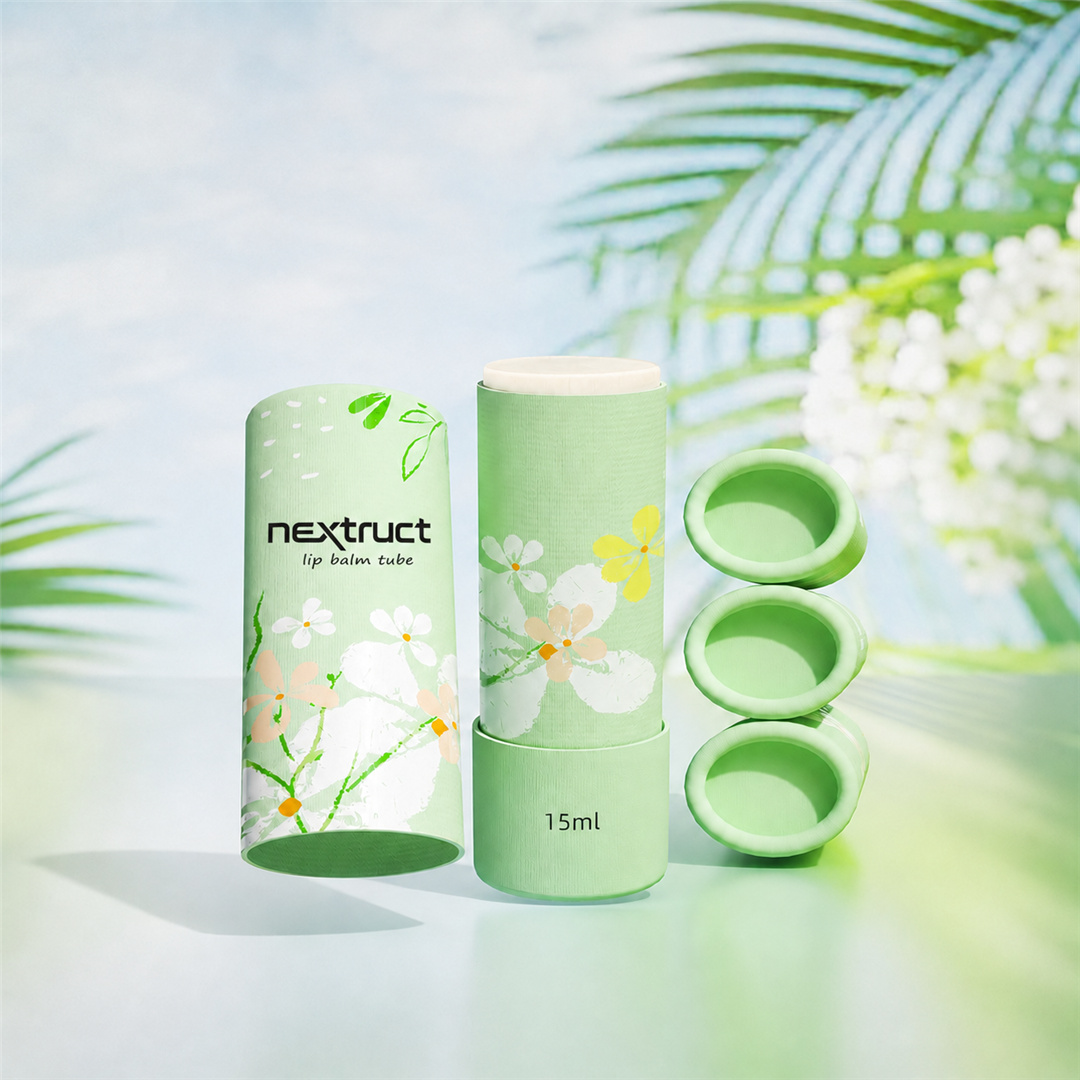
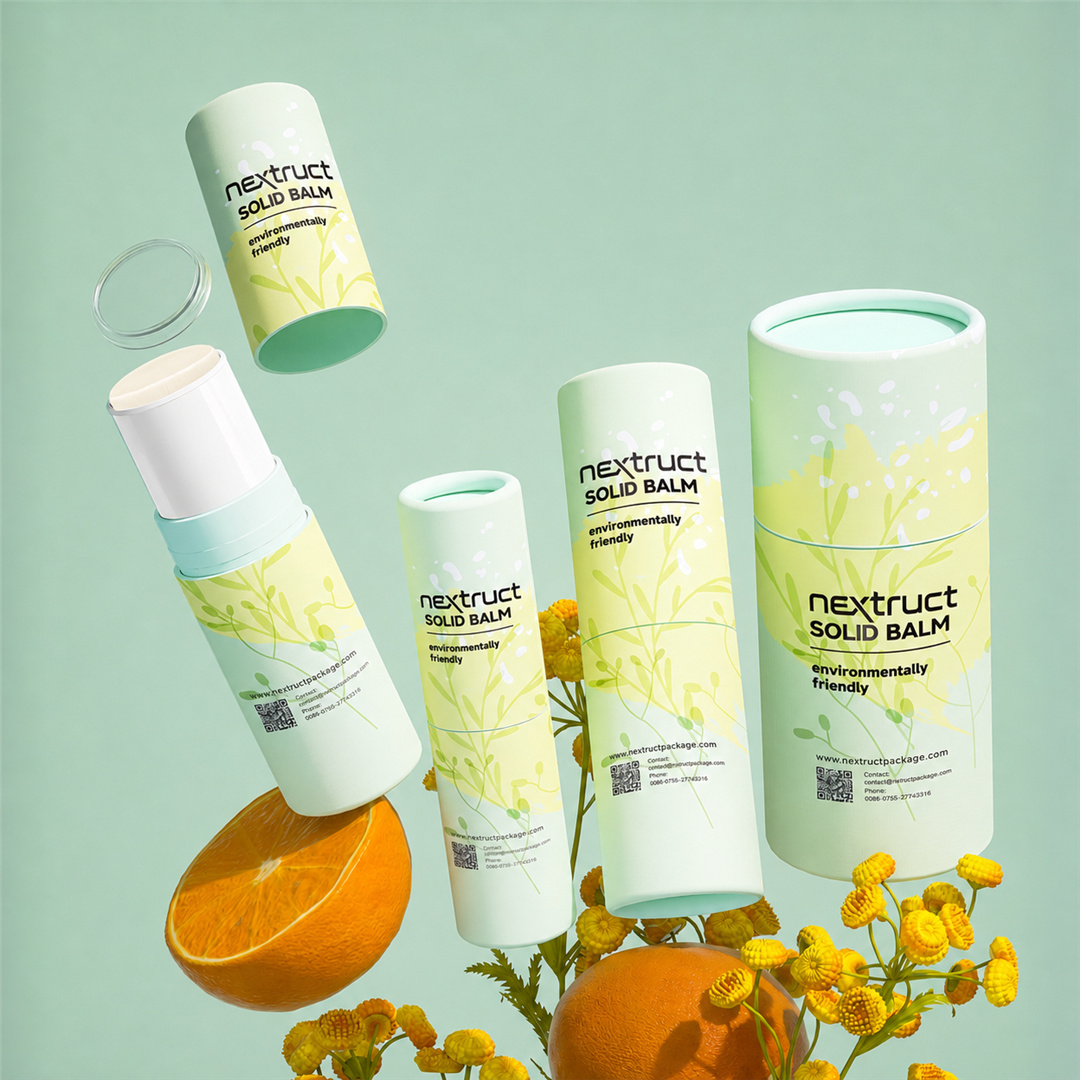
By shifting focus toward unified structural design, advanced manufacturers are engineering lipstick tube packaging that minimizes material diversity. For instance, replacing multi-part plastic twist mechanisms with single-material fiberboard or optimized hybrid structures reduces the number of components required. This direct reduction in components translates directly to fewer manufacturing steps, consolidated shipping volumes, and simplified quality control protocols.
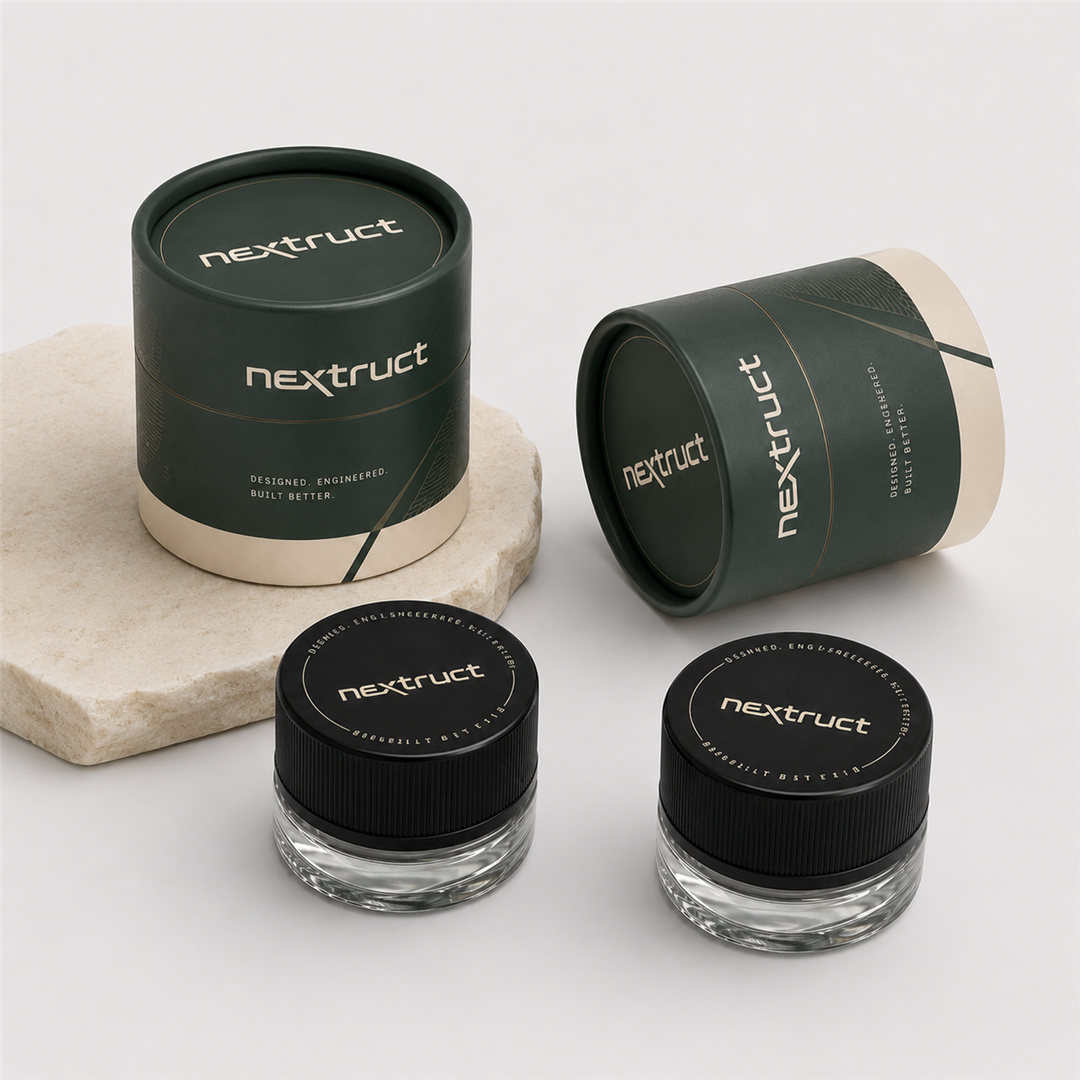
Furthermore, when a single partner manages the integration of sustainable materials—such as combining recycled glass jars with waterproof paper lids, or pairing custom PCR-PE squeeze tubes with precise closures—brands eliminate the friction of coordinating multiple component suppliers. The result is a seamless, end-to-end development cycle that moves rapidly from design rendering to mass production.

Packaging is not just a container; it is a complex physical interface. By holding 21 patents in paper-based structures, Nextruct does not simply supply packaging—we engineer solutions that replace heavy plastics, ensure child-resistance, and maintain structural integrity under rigorous transport conditions. This structural mastery is the foundation of our supply chain consolidation capability.
We leverage our deep material science knowledge and advanced structural design to deliver high-performance packaging components that fit together flawlessly.


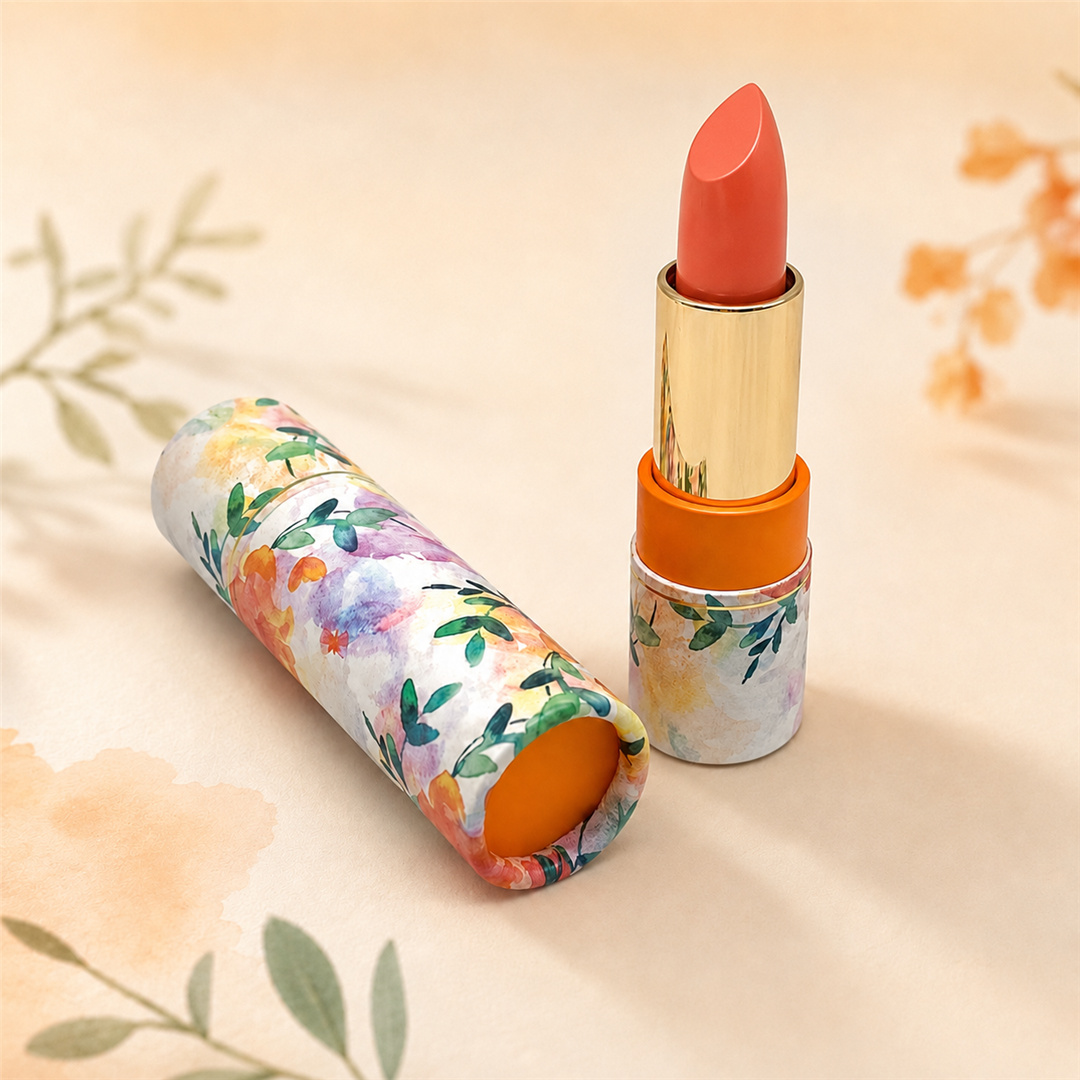
Consider a global cosmetics brand sourcing a traditional lipstick tube. The conventional bill of materials (BOM) includes an ABS plastic cap, an aluminum inner mechanism, a steel weight, and a SAN plastic base. Sourcing these components requires four separate suppliers, creating a logistical nightmare. By adopting a patented design like the Bespoke Round Paper Lipstick Tube, the brand transitions to an integrated, plastic-reduced paper structure. Nextruct designs, manufactures, and prints the entire tube assembly at a single site. This eliminates assembly mismatches, slashes logistics coordination costs by 60%, and significantly simplifies the brand's quality inspection process.
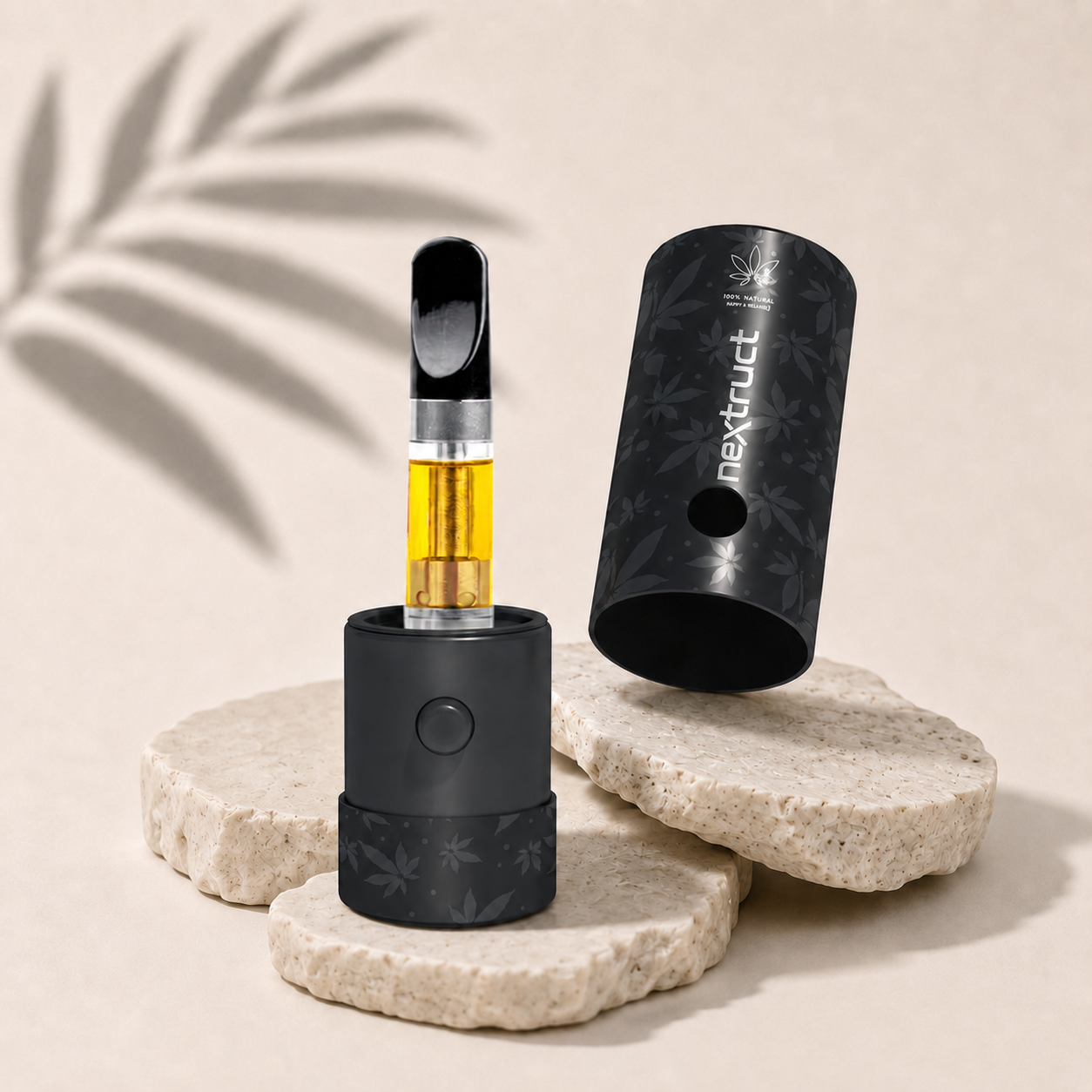
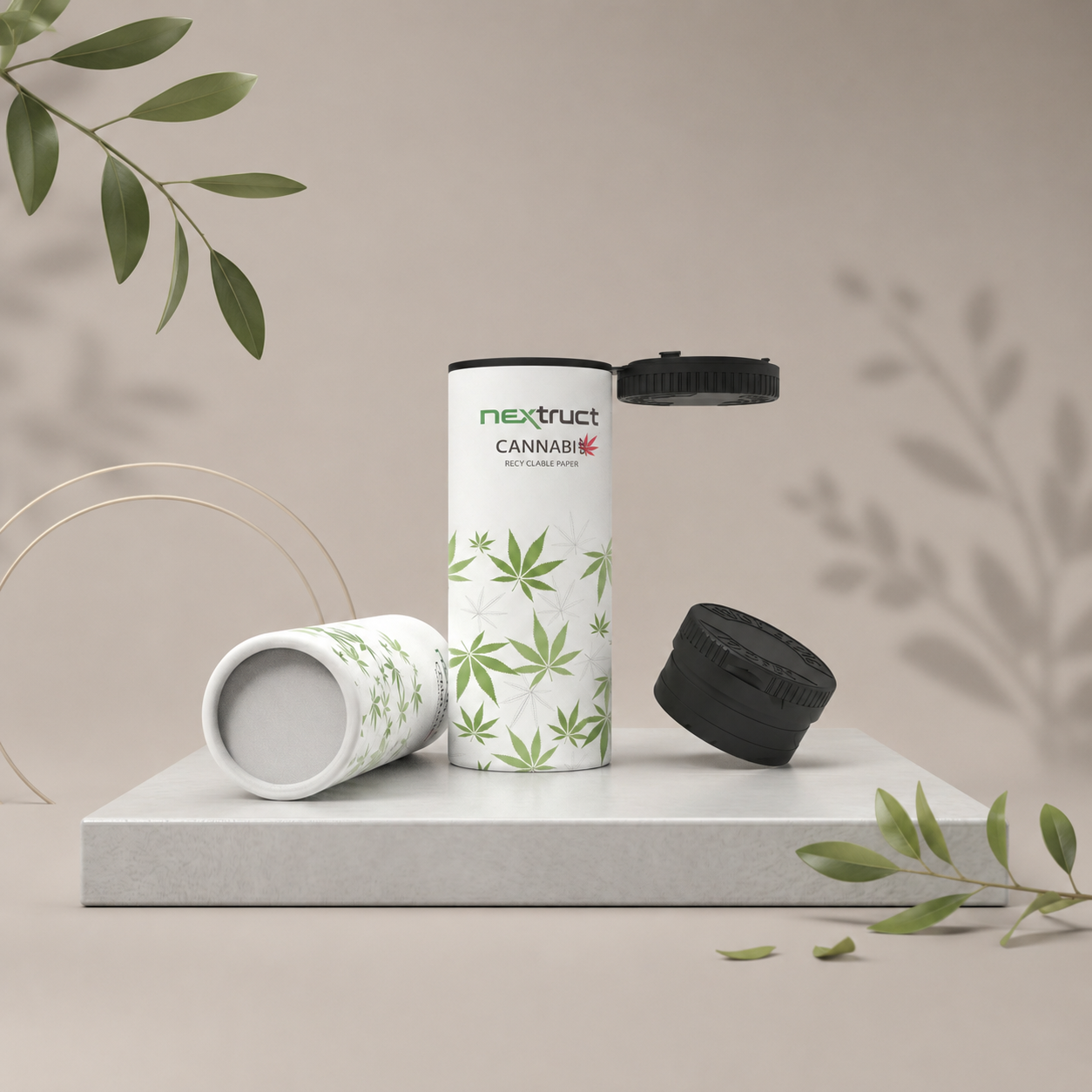
In the wellness and vape markets, packaging must comply with strict child-resistance (CR) regulations. Traditionally, brands source CR plastic boxes and custom paper sleeves separately, leading to high rejection rates during automated packaging lines due to variable tolerances. By utilizing Nextruct's integrated Child-Resistant Multi E-Cigarette Paper Tube, the CR mechanism is engineered directly into the biodegradable fiber structure. This single-source solution ensures 100% compliance, reduces line stoppages during filling, and provides an eco-friendly aesthetic that appeals to modern consumers.
Patented paper-based engineering matches exact product formulas.
FSC-certified paper, PCR plastics, and glass combined seamlessly.
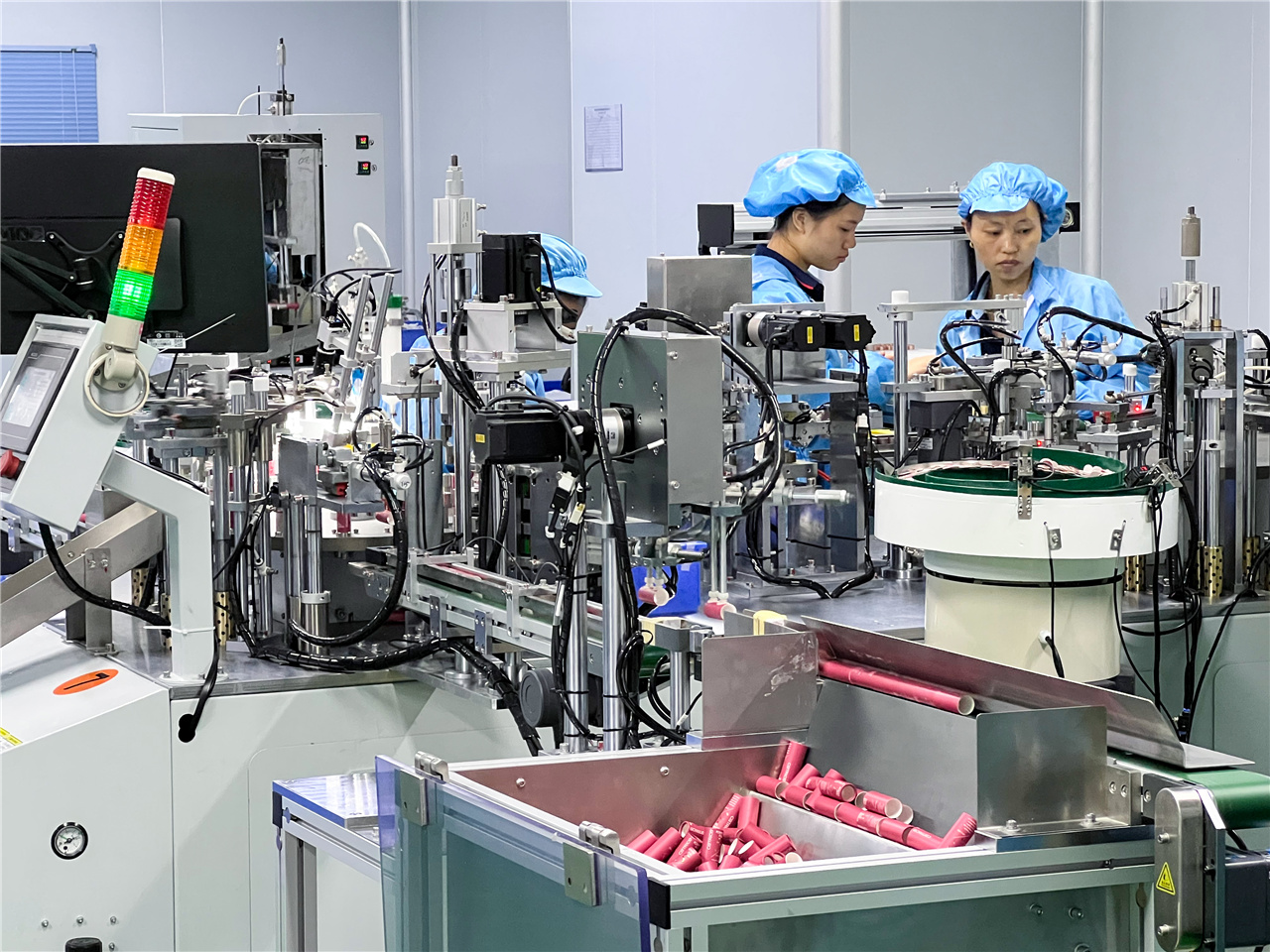
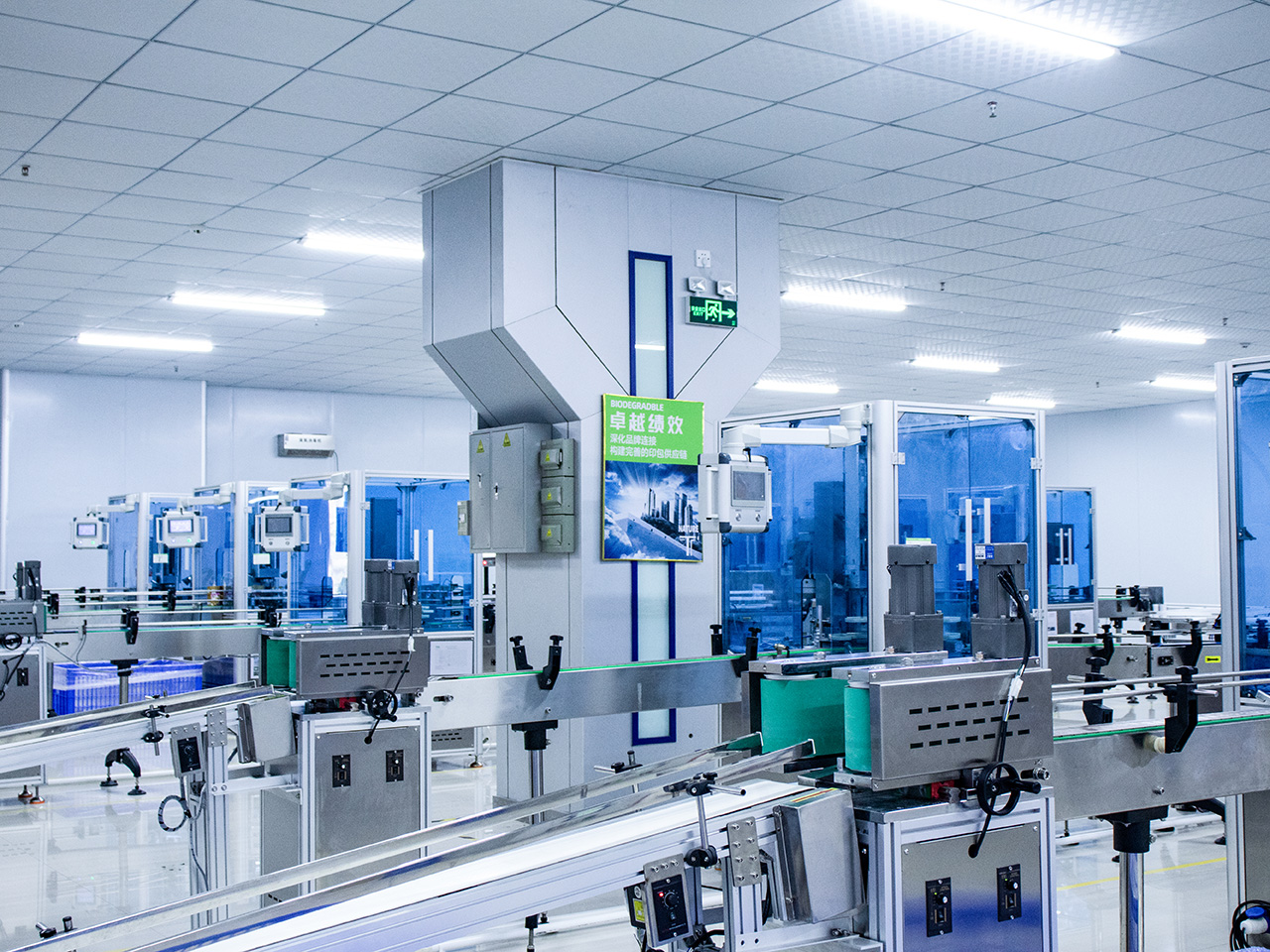
In-house printing, forming, and strict ISO quality checks.
Direct shipment to filling facilities worldwide, reducing transit steps.
The global cosmetic packaging market is moving rapidly toward circularity. Emerging regulations, such as the EU's Packaging and Packaging Waste Regulation (PPWR), dictate that all packaging must be recyclable or reusable by 2030. To stay ahead, forward-thinking brands are shifting away from complex, multi-material laminates that cannot be recycled. The future lies in hybrid packaging—combining high-performance fiber containers with minimal, easily separable PCR plastic or glass inserts. By consolidating these components at the design phase, brands can ensure compliance, minimize plastic taxes, and optimize their shipping volumes to combat rising ocean freight costs.
How we bridge the gap between structural design, regulatory compliance, and long-term brand growth
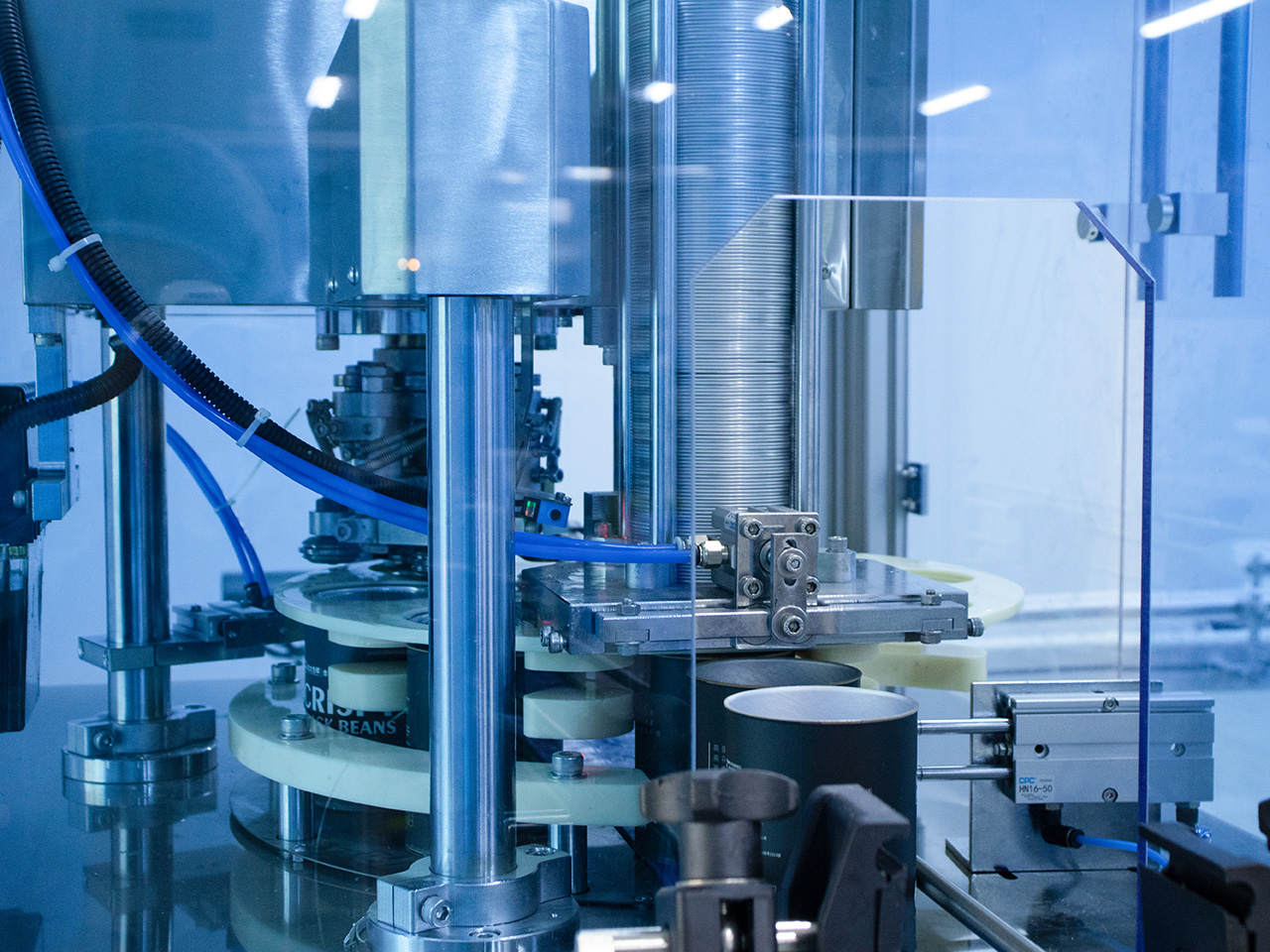
FSC-certified paper tubes, child-resistant packaging, and PCR squeeze tubes for global brands