Leave Your Message
In the fast-moving cosmetics and personal care industries, launching a single lipstick or lip balm product involves navigating a surprisingly complex and fragmented supply chain. Traditionally, brands source the internal lipstick mechanism from one specialized manufacturer, the outer decorative shell from another, the secondary paper packaging from a third vendor, and the final fulfillment services from a fourth. This fragmentation creates significant operational friction, including prolonged lead times, inconsistent quality control, increased shipping costs, and a massive carbon footprint generated by transporting components between multiple facilities.
As consumer demand shifts toward clean beauty and sustainable packaging, this fragmentation becomes even more challenging. Incorporating eco-friendly materials like FSC-certified paper, PCR (Post-Consumer Recycled) plastics, or biodegradable resins requires precise structural engineering. When multiple suppliers are involved, ensuring that a custom paper tube fits seamlessly over a PCR-PP mechanism becomes an integration nightmare. A single millimeter of deviation can halt automated filling lines, causing costly delays and wasted inventory.
By shifting from fragmented component sourcing to integrated, structural-first packaging solutions, cosmetics brands can eliminate up to 30% of their supply chain touchpoints, drastically reducing lead times and ensuring seamless component compatibility.
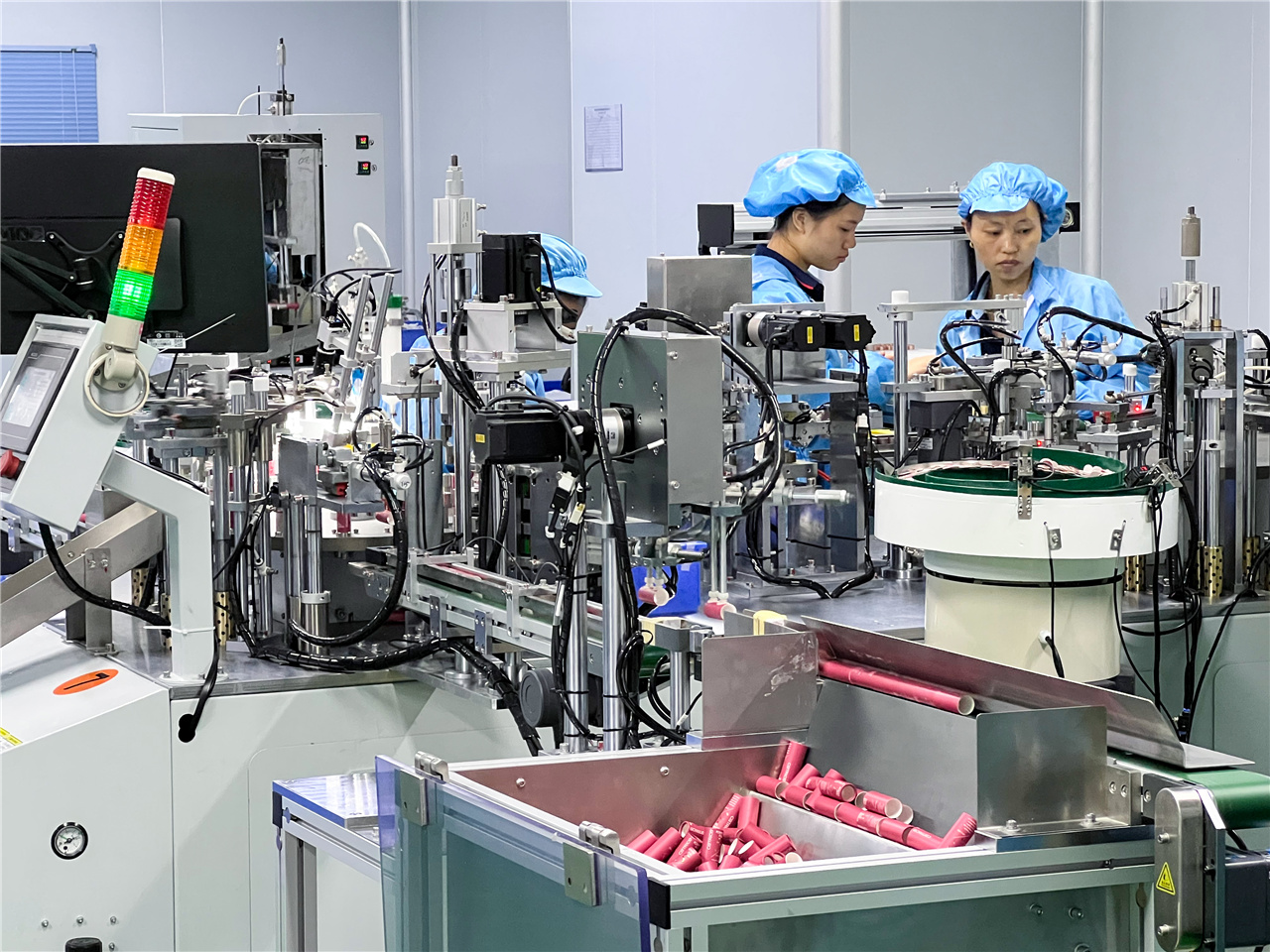
Structural innovation is the ultimate antidote to supply chain fragmentation. By designing lipstick tubes and personal care containers with a "monomaterial" or "hybrid-integrated" philosophy, manufacturers can consolidate multiple manufacturing steps into a single, cohesive process. For example, instead of sourcing a plastic mechanism and a separate paper sleeve from different vendors, an integrated design uses a proprietary paper-based structure with a pre-assembled, recyclable base. This reduces the number of components, simplifies the assembly line, and minimizes the risk of structural misalignment.
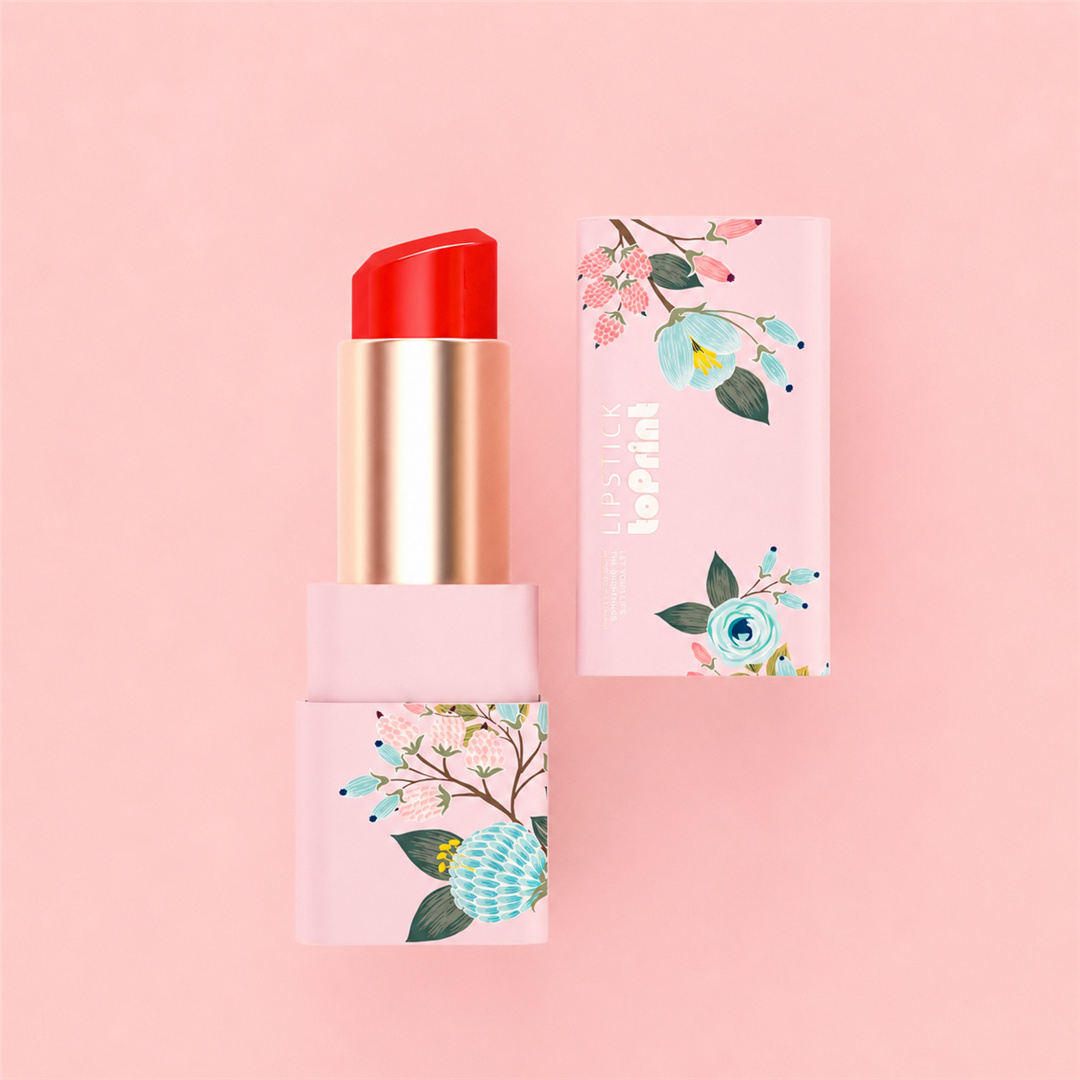
Furthermore, advanced packaging design allows for modularity. A standard, highly optimized internal structure can be paired with customizable outer sleeves (square, oval, or round) and various decorative finishes. This enables brands to launch multiple product lines or limited-edition collections without redesigning the core packaging from scratch. This modular approach dramatically simplifies inventory management, as brands only need to stock a single type of functional mechanism while customizing the external aesthetics as needed.

The global cosmetics packaging market is undergoing a paradigm shift driven by stringent environmental regulations and changing consumer expectations. The European Union's Packaging and Packaging Waste Regulation (PPWR) and similar legislative frameworks in North America are forcing brands to design for circularity. This means packaging must be easily recyclable, compostable, or refillable. In this regulatory climate, traditional multi-material lipstick tubes (often combining glued metal, plastic, and magnets) are becoming obsolete because they are nearly impossible to recycle in standard municipal waste streams.
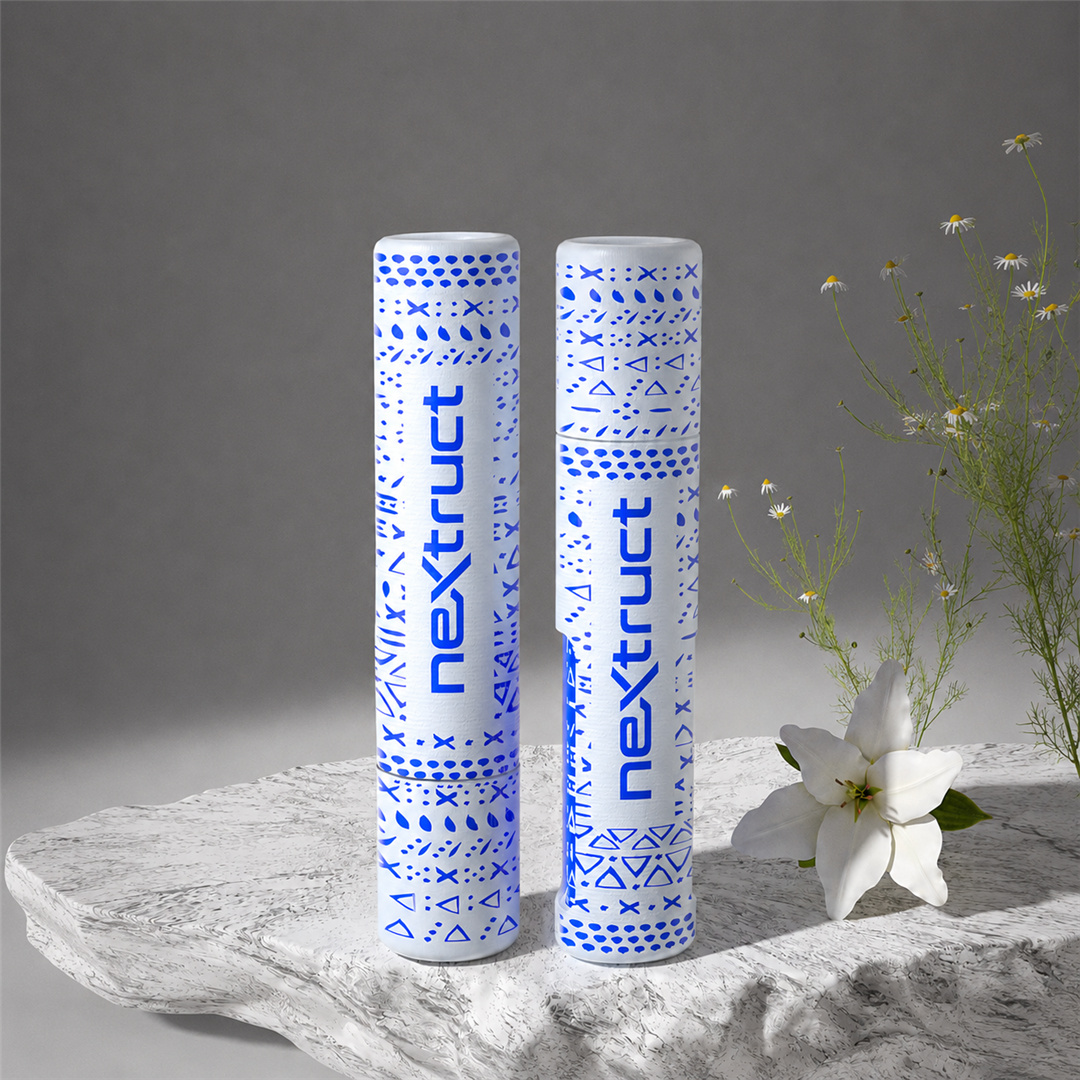
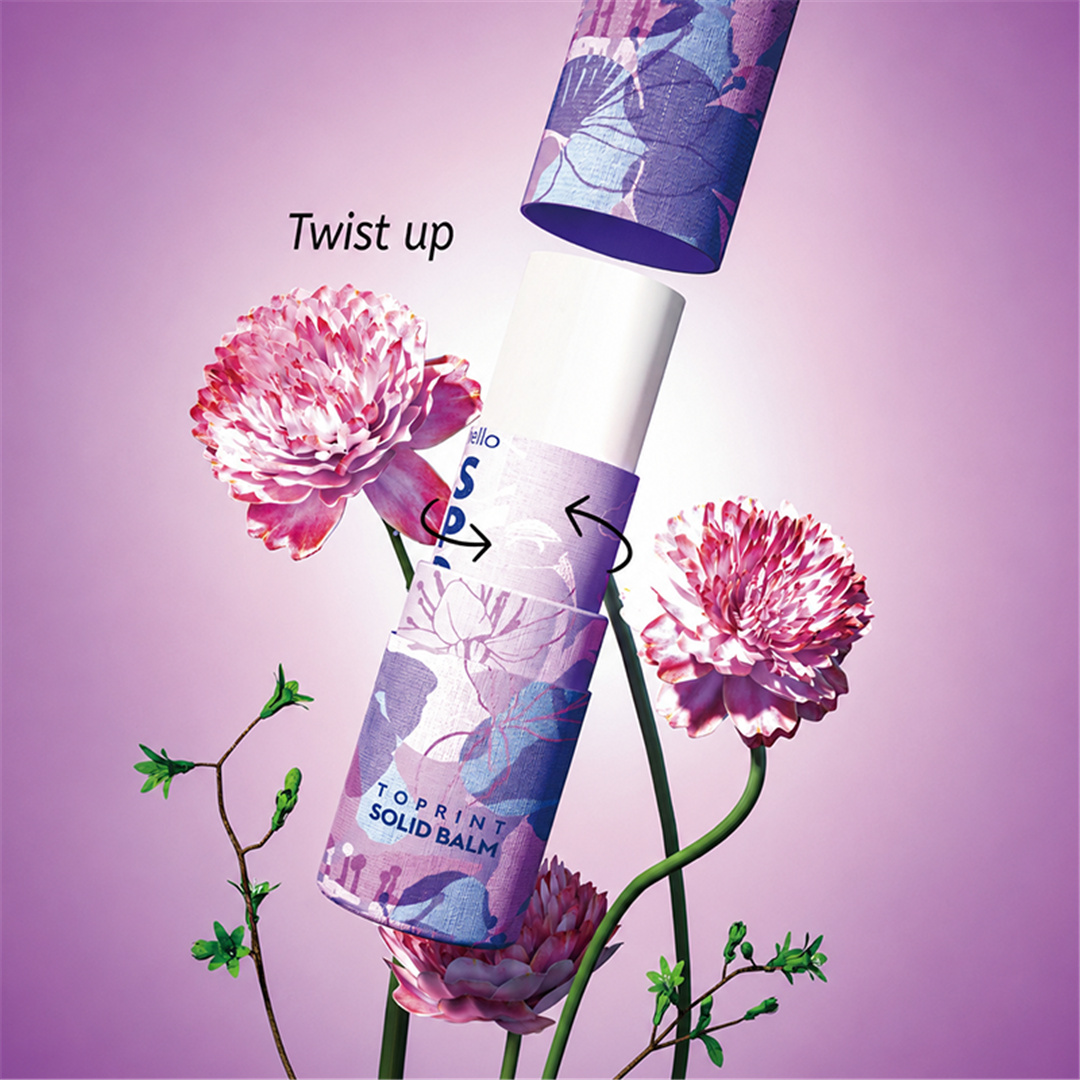
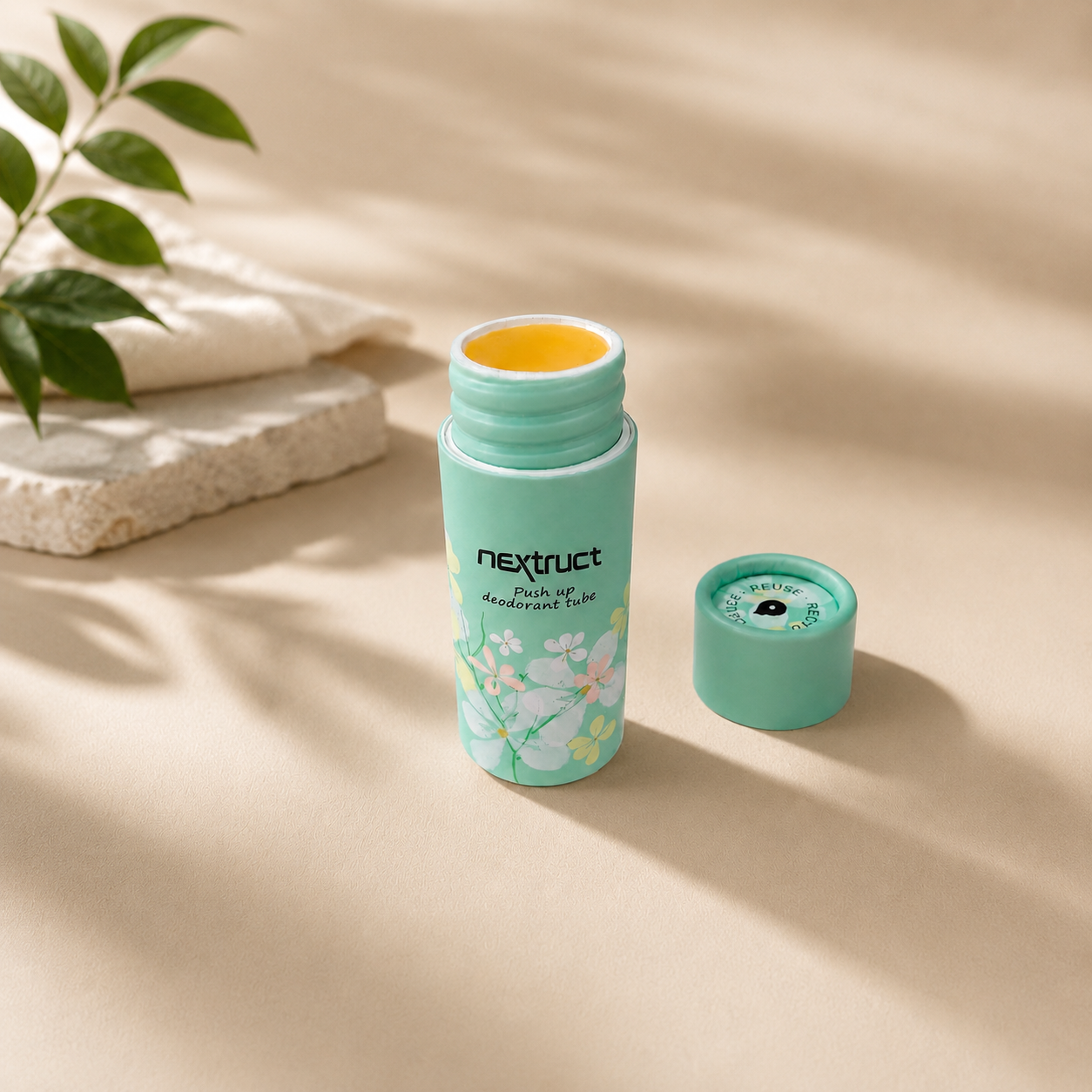
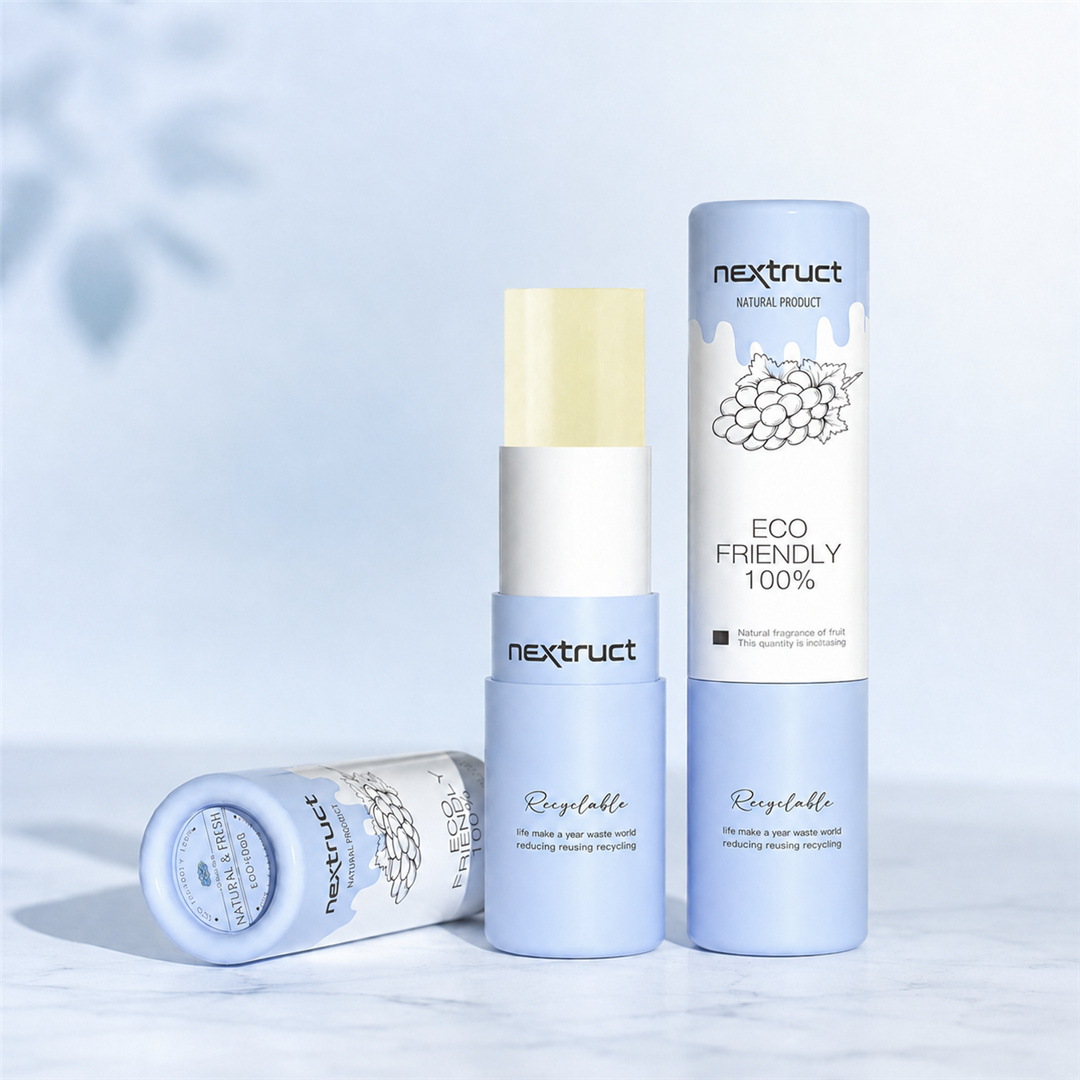
The industry is moving rapidly toward fiber-based packaging solutions. High-performance paperboard tubes, treated with bio-based barrier coatings to resist oils and moisture, are replacing traditional plastic tubes for lip balms, deodorants, and solid cosmetics. However, paper-based packaging presents its own set of challenges, particularly regarding mechanical functionality. Twist-up and slide-off mechanisms must operate smoothly throughout the product's lifespan without losing tension. Resolving these mechanical challenges requires specialized structural engineering expertise, which is why vertically integrated packaging partners are becoming vital strategic allies for beauty brands.
Transitioning to fiber-based, FSC-certified structures not only aligns with global sustainability mandates but also resonates deeply with eco-conscious consumers, enhancing brand equity and customer loyalty.
To understand the practical impact of streamlined packaging, let us look at three distinct industry application scenarios:


Operating in a global market means complying with a complex web of environmental, social, and quality standards. Sourcing packaging from uncertified, fragmented suppliers exposes brands to significant risks, including regulatory fines, product recalls, and damage to brand reputation. When components are manufactured in facilities that lack proper quality management systems, inconsistencies in material purity or structural integrity can lead to chemical leaching or physical product failure.
To mitigate these risks, leading brands partner with packaging manufacturers who adhere to strict global standards. This includes holding ISO certifications for quality management and environmental responsibility, complying with social accountability standards like SA8000, and sourcing raw materials from responsibly managed forests (FSC certification). A single, fully compliant packaging partner provides complete traceability, ensuring that every lipstick tube, deodorant canister, or paper jar meets both regulatory requirements and the brand's internal ESG (Environmental, Social, and Governance) commitments.
Working with a partner certified in ISO, SA8000, and FSC guarantees that your packaging is not only structurally sound but also ethically manufactured and environmentally responsible.
Looking ahead, the integration of digital technologies like Artificial Intelligence (AI) and rapid 3D prototyping is set to revolutionize the packaging design process. Historically, developing a custom lipstick tube involved weeks of back-and-forth communication, physical sample production, and shipping. Today, AI-driven structural engineering software allows designers to simulate stress tests, material performance, and assembly tolerances digitally. This dramatically accelerates the design phase, allowing brands to visualize and refine their packaging in real-time.
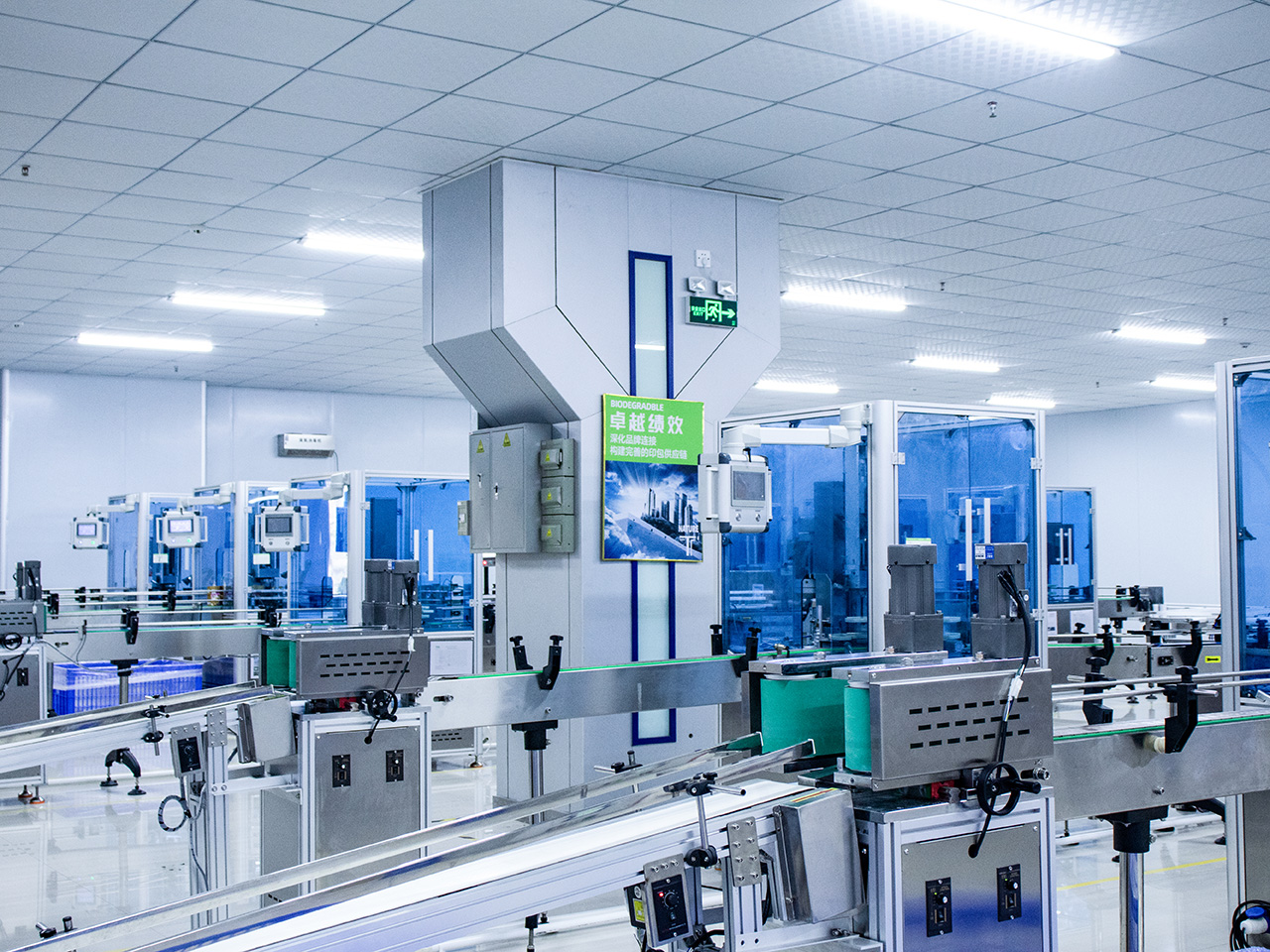
By combining digital twin modeling with agile manufacturing, packaging partners can transition from concept to mass production in a fraction of the time. This agility is crucial for modern cosmetics brands that must respond rapidly to viral social media trends and shifting consumer preferences. By streamlining the design, prototyping, and production phases under one roof, brands can achieve unprecedented speed-to-market while maintaining the highest standards of structural integrity and environmental sustainability.