Leave Your Message
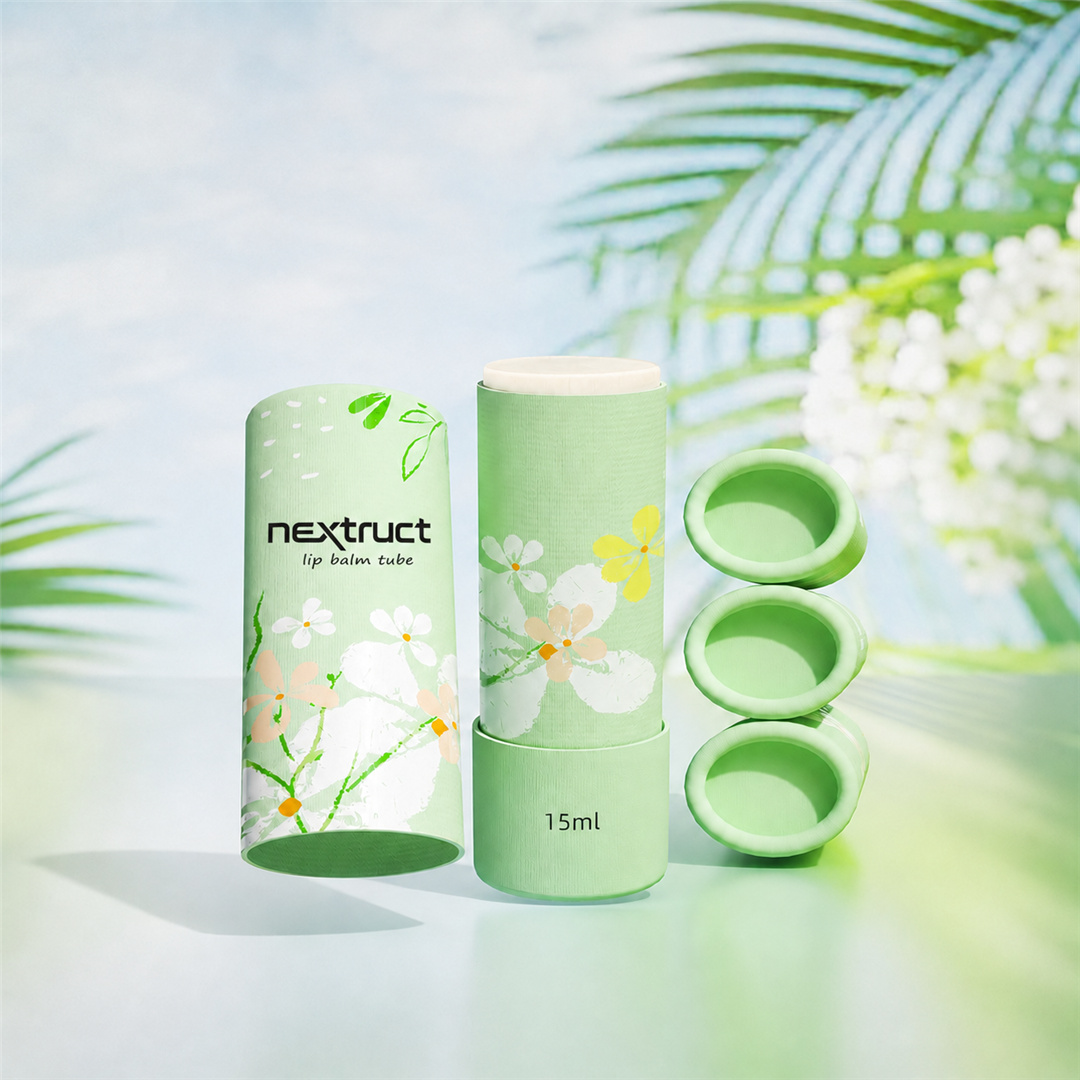
The global cosmetics industry is undergoing a paradigm shift. Brands are actively transitioning away from single-use plastics to embrace sustainable, fiber-based packaging solutions. Among these, the lipstick paper tube has emerged as a high-demand format for lip balms, deodorants, sunscreen sticks, and solid cosmetics. However, replacing plastic with paper introduces a significant engineering challenge: ensuring absolute leak-proof integrity.
Unlike plastic, which is inherently non-porous and rigid, paper is a hygroscopic, fibrous material susceptible to oil absorption, moisture degradation, and structural deformation under thermal stress. When cosmetic formulations are hot-poured directly into paper tubes at temperatures ranging from 60°C to 80°C, the risk of oil migration, wax bleeding, and joint leakage increases exponentially. To solve this, manufacturers and structural designers must adhere to rigorous leak-proof paper tube design requirements, combining advanced barrier coatings, high-precision tolerances, and hybrid material integration.
Industry Insight: Anhydrous cosmetic formulations containing natural oils (such as castor oil, coconut oil, and shea butter) have low surface tension, making them highly prone to capillary action through paper fibers if the inner barrier is compromised.
From a commercial standpoint, the demand for paper-based cosmetic packaging is driven by both consumer preference and stringent global regulations, such as the European Union's Packaging and Packaging Waste Regulation (PPWR) and plastic tax policies worldwide. Major beauty conglomerates and indie brands alike are pledging to achieve 100% recyclable, compostable, or refillable packaging by 2030.
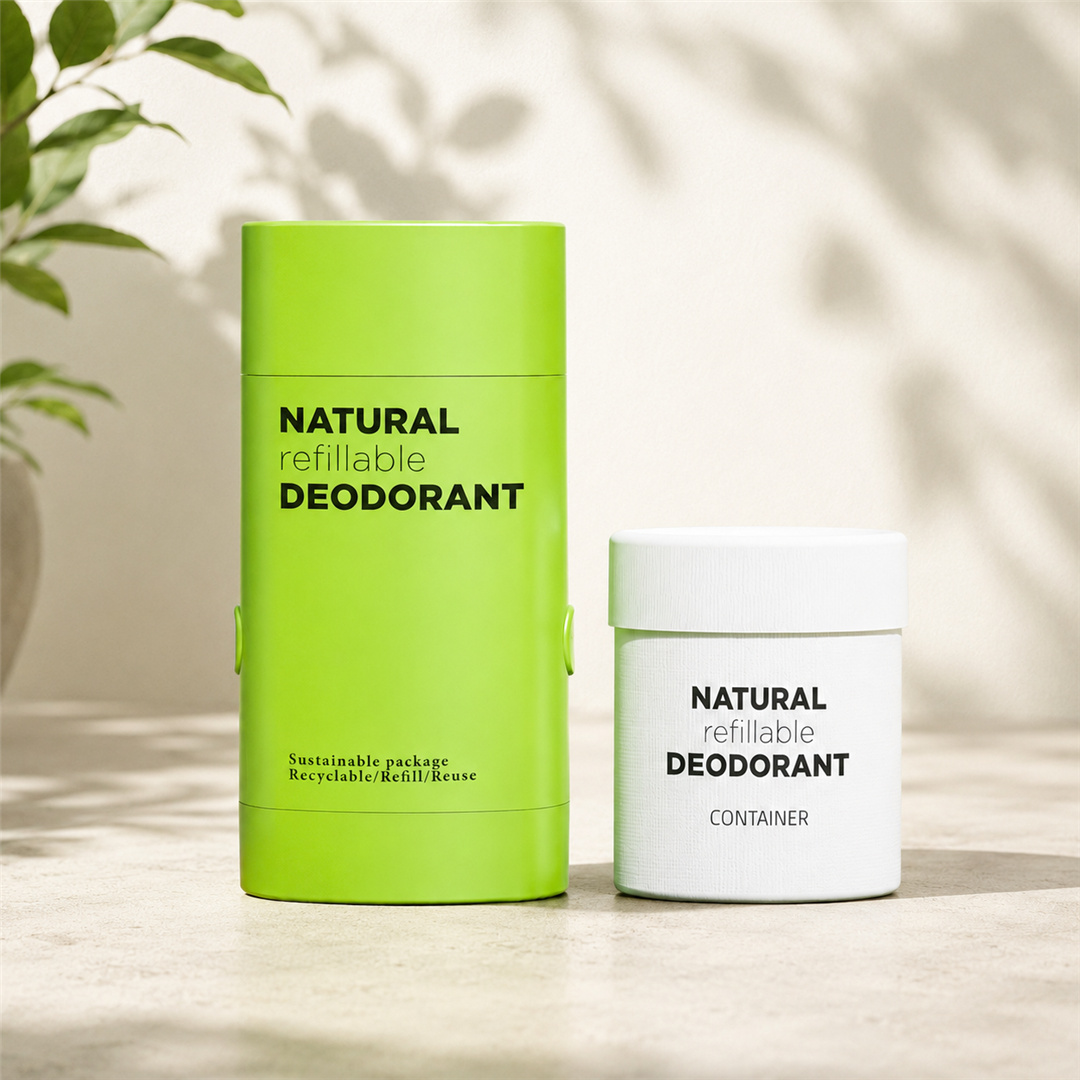
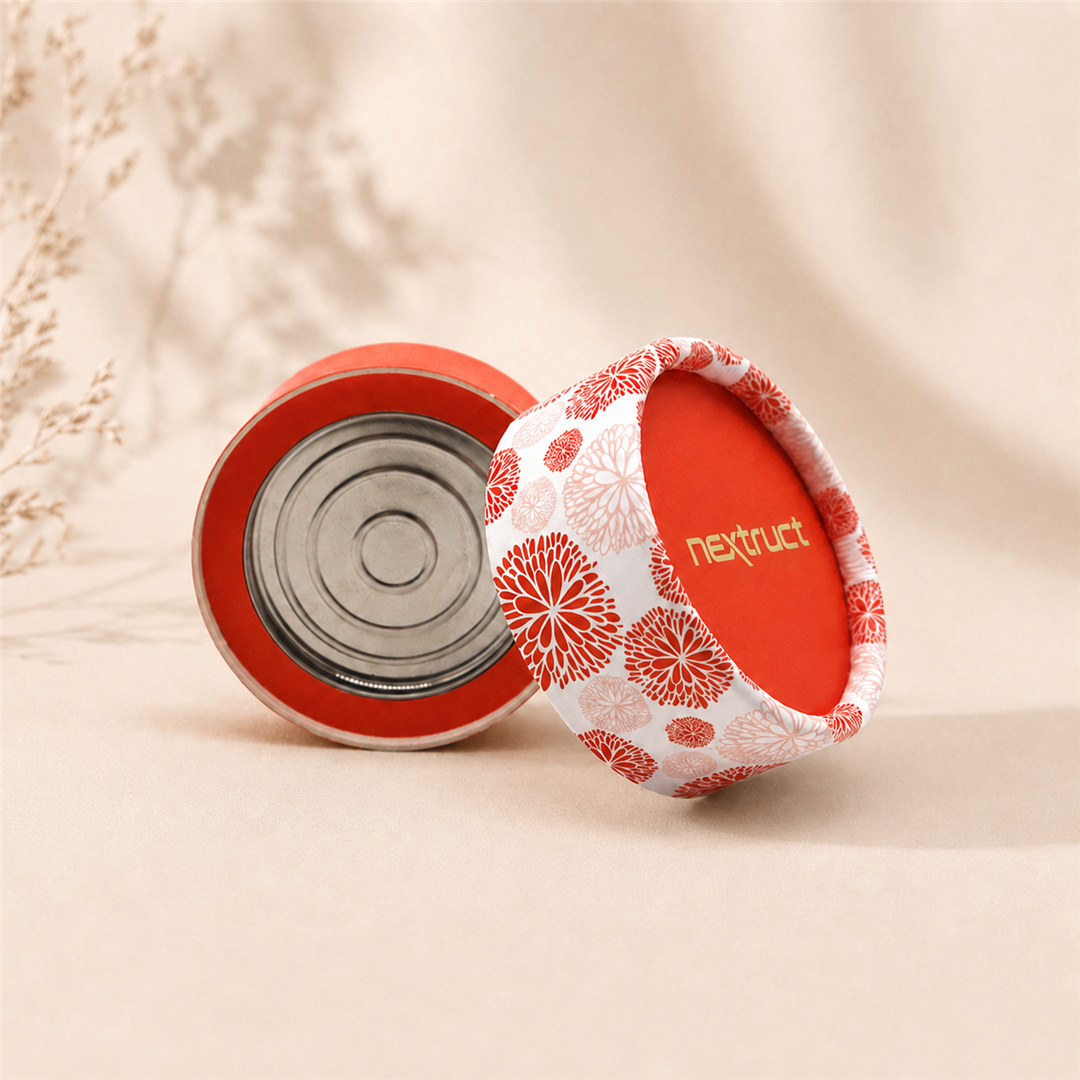
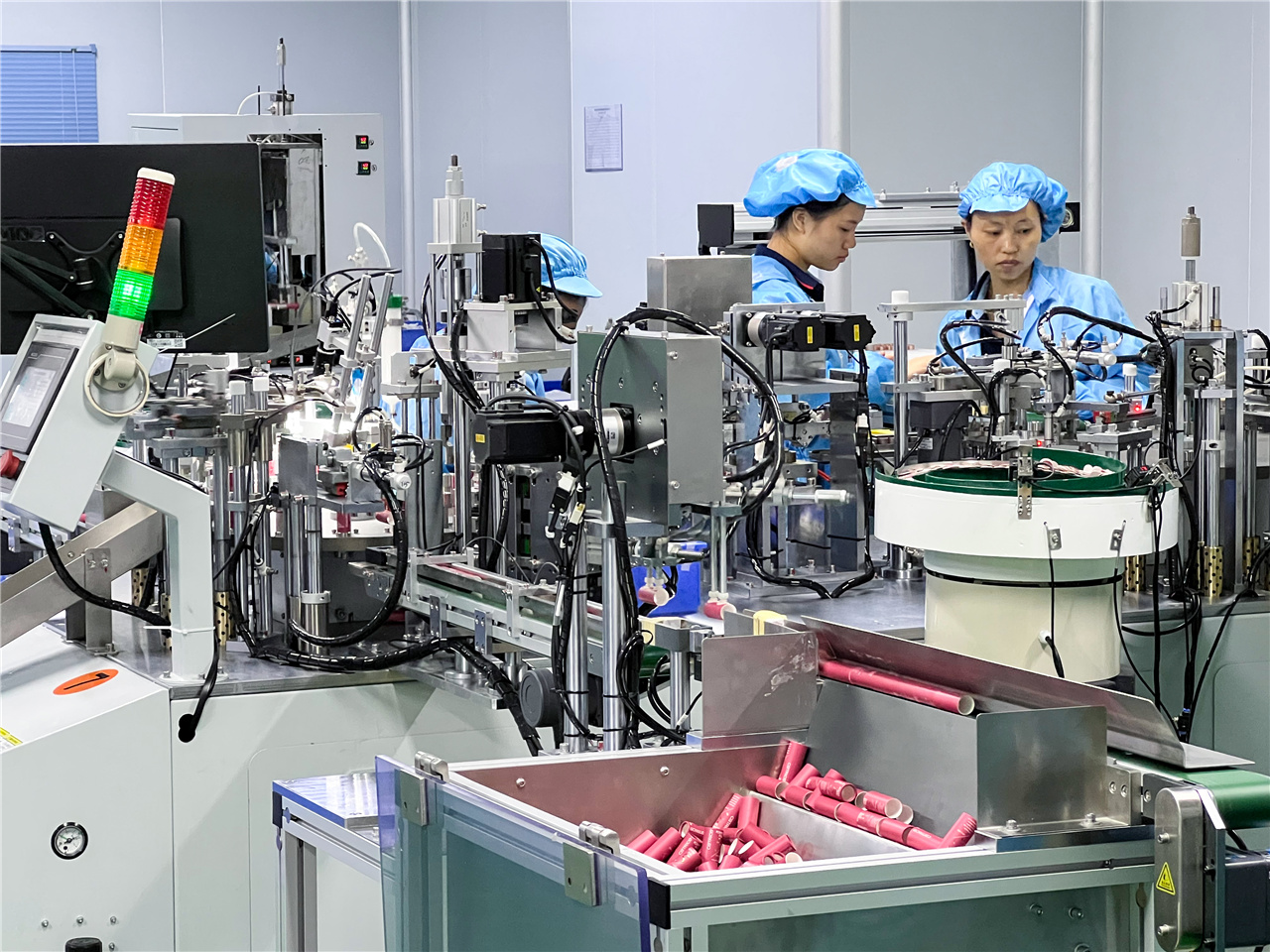
In the industrial manufacturing sphere, the transition to paper tubes is not a simple material substitution. It requires a complete re-engineering of the filling line. Traditional cosmetic filling lines are calibrated for plastic mechanisms. Paper tubes behave differently under heat and mechanical pressure. Consequently, the industrial landscape is shifting toward hybrid designs—combining FSC-certified paper outers with minimal, recyclable PCR-PP (Post-Consumer Recycled Polypropylene) or bio-based liners. This hybrid approach ensures the tactile luxury and eco-credentials of paper on the outside, while maintaining the flawless barrier properties of polymers on the inside.
Developing a reliable, leak-proof lipstick paper tube requires a multi-layered design strategy. Below are the key technical parameters that structural engineers must resolve:
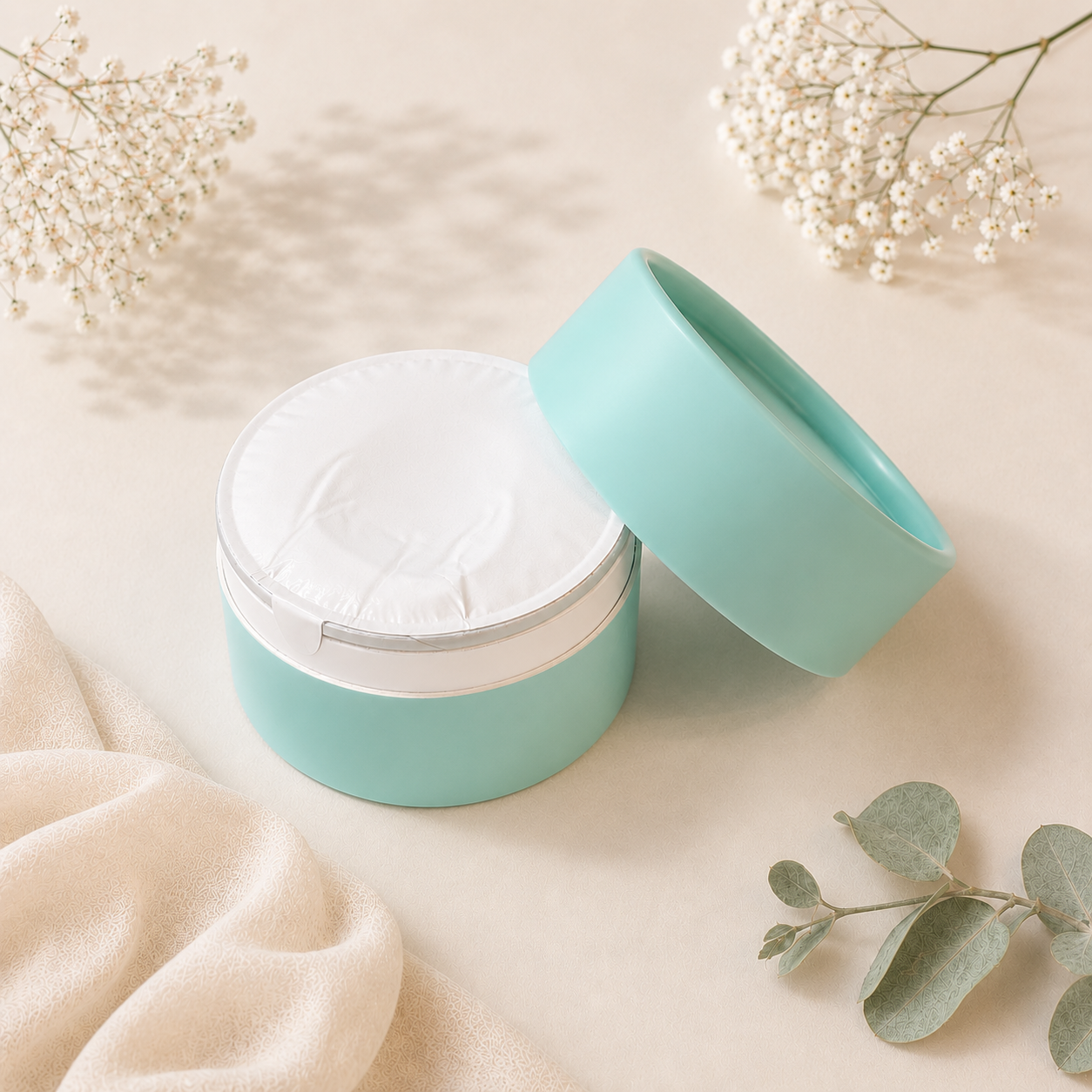
Traditional plastic laminates (like PE or PET) render paper non-compostable. Modern designs utilize plant-based PLA (Polylactic Acid), PBAT, or food-grade water-based dispersion coatings. For high-oil formulations, an inner aluminum-foil inlay or a thin PCR plastic liner provides an absolute barrier against grease migration and moisture penetration.
Paper tubes are wound from multiple plies of paper using adhesives. The inner diameter tolerance must be held within ±0.05mm. If the fit between the push-up base (or spiral mechanism) and the inner tube wall is too loose, the molten cosmetic liquid will bypass the piston during hot-filling, resulting in catastrophic bottom-leakage.
Hot-pour cosmetics are filled at temperatures up to 80°C. The paper tube structure must withstand this thermal shock without delaminating, warping, or absorbing the volatile oils that evaporate during cooling. The adhesive used to laminate the paper plies must be heat-resistant and FDA-approved for cosmetic contact.
The design requirements for leak-proof paper tubes vary significantly depending on the viscosity, pouring temperature, and chemical composition of the product inside.
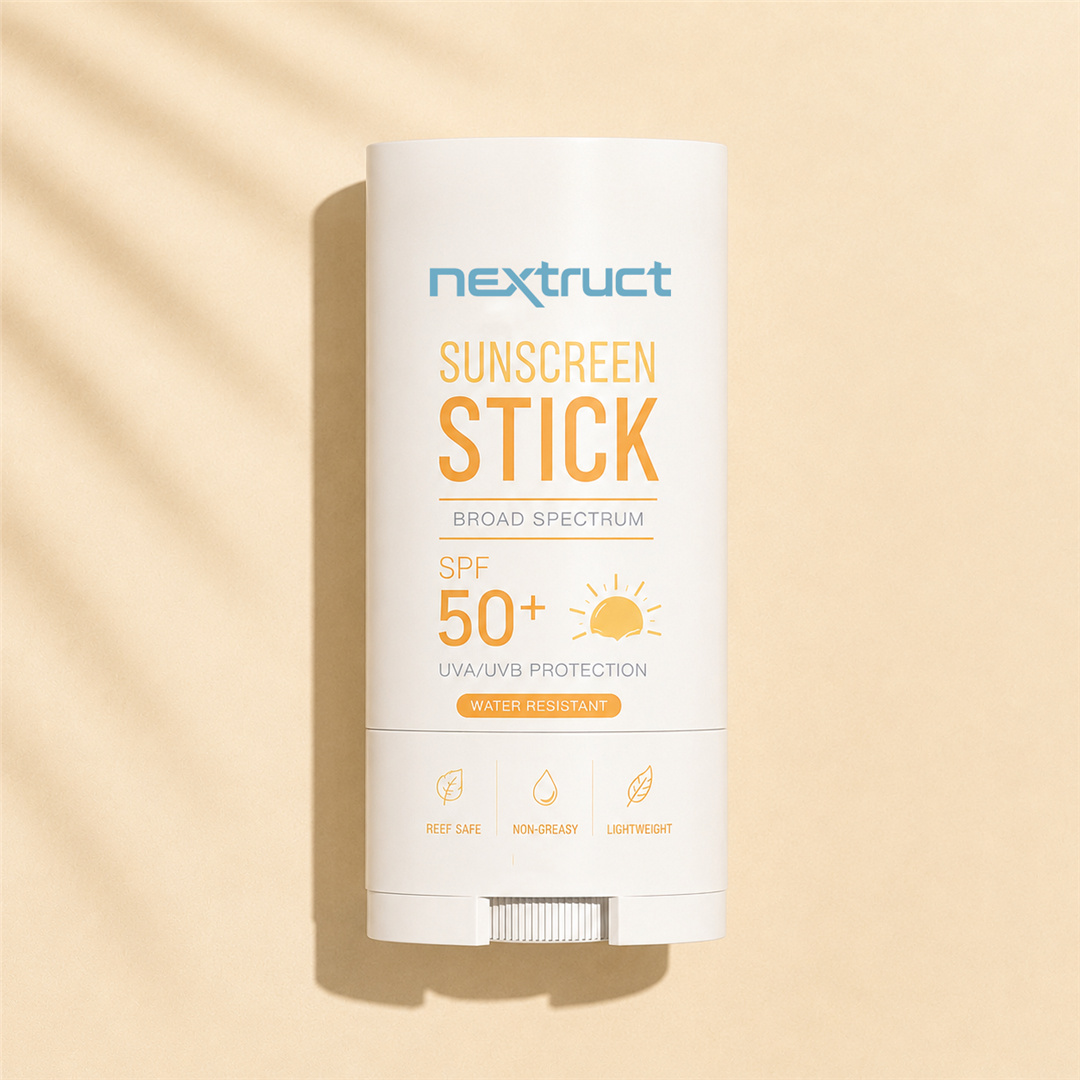
Sunscreen formulations contain active UV filters and carrier oils that can dissolve weak adhesives and penetrate paper fibers. For these applications, a hybrid paper tube with a PCR-PP inner base is highly recommended. The plastic base acts as a reservoir during the hot-pour phase, while the FSC paper body provides the structural strength and branding canvas. This reduces plastic usage by up to 85% compared to traditional sunscreen stick containers.
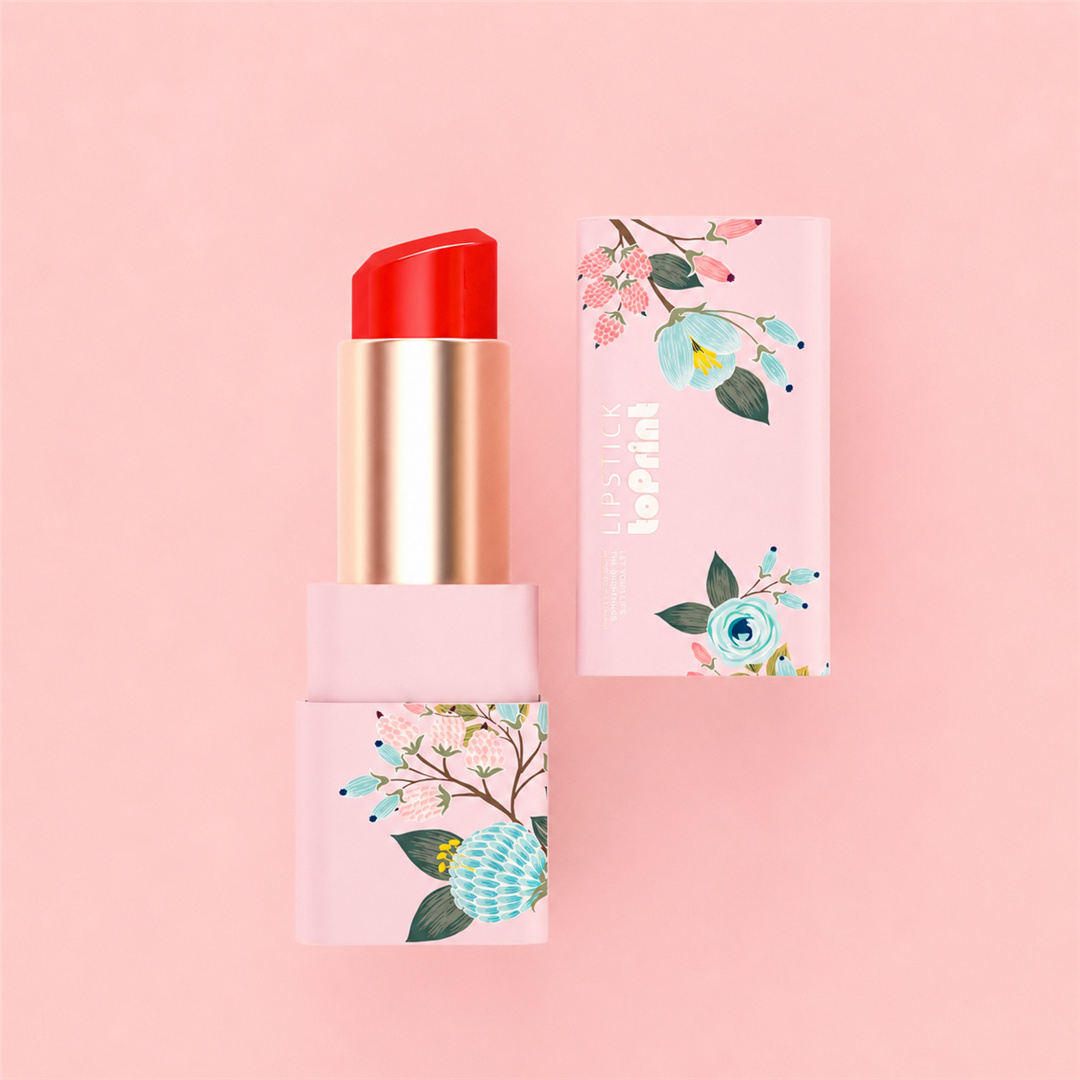
Matte lipsticks contain high ratios of waxes (such as Carnauba and Candelilla) and pigments. If the inner wall of the paper tube is too rough, it will create friction, causing the lipstick bullet to drag, scrape, or break during usage. The design requirement here focuses on a ultra-smooth, low-friction inner lining (often silicone-free vegetable wax or PLA) that allows smooth travel of the lipstick mechanism while keeping the outer shell completely free of oil staining.
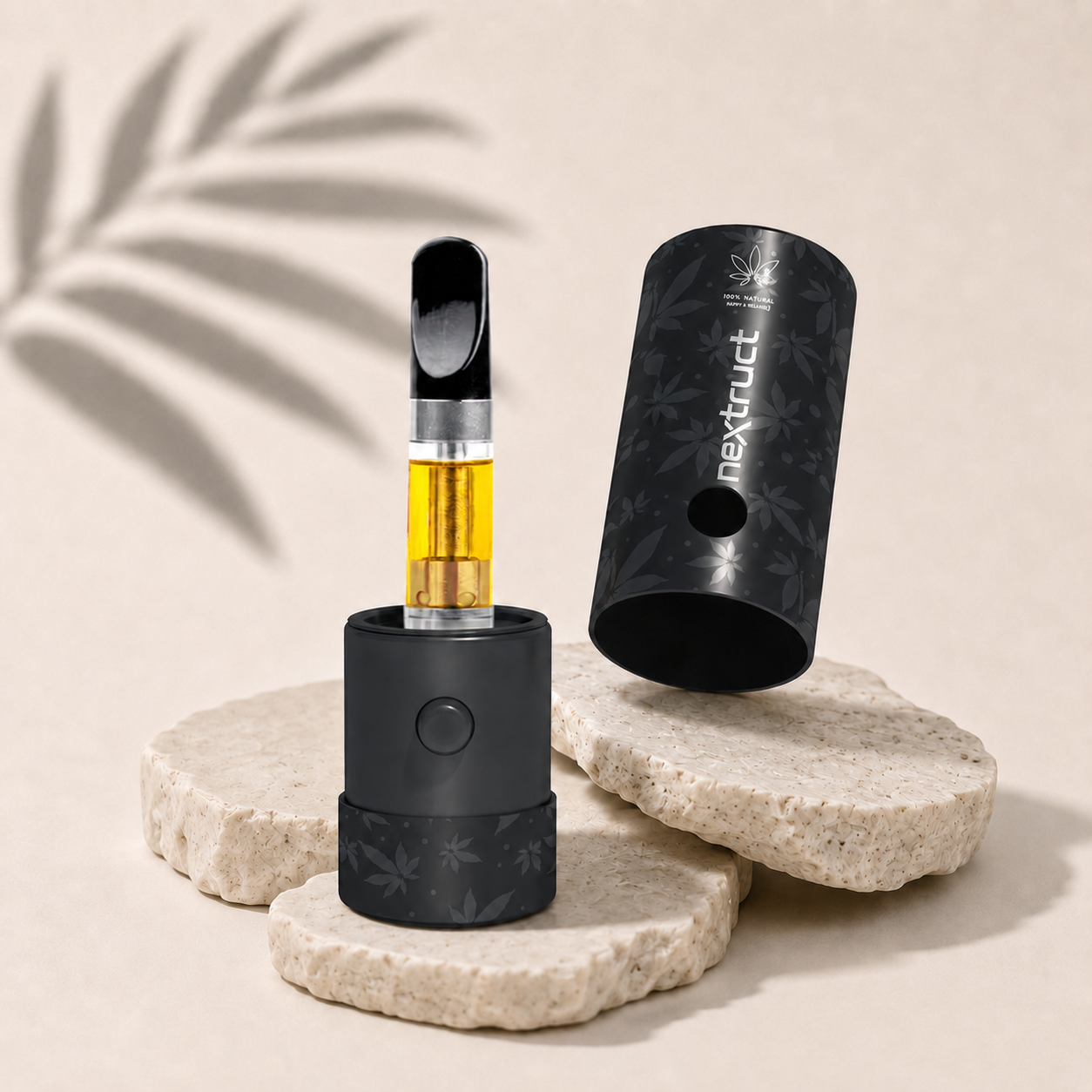
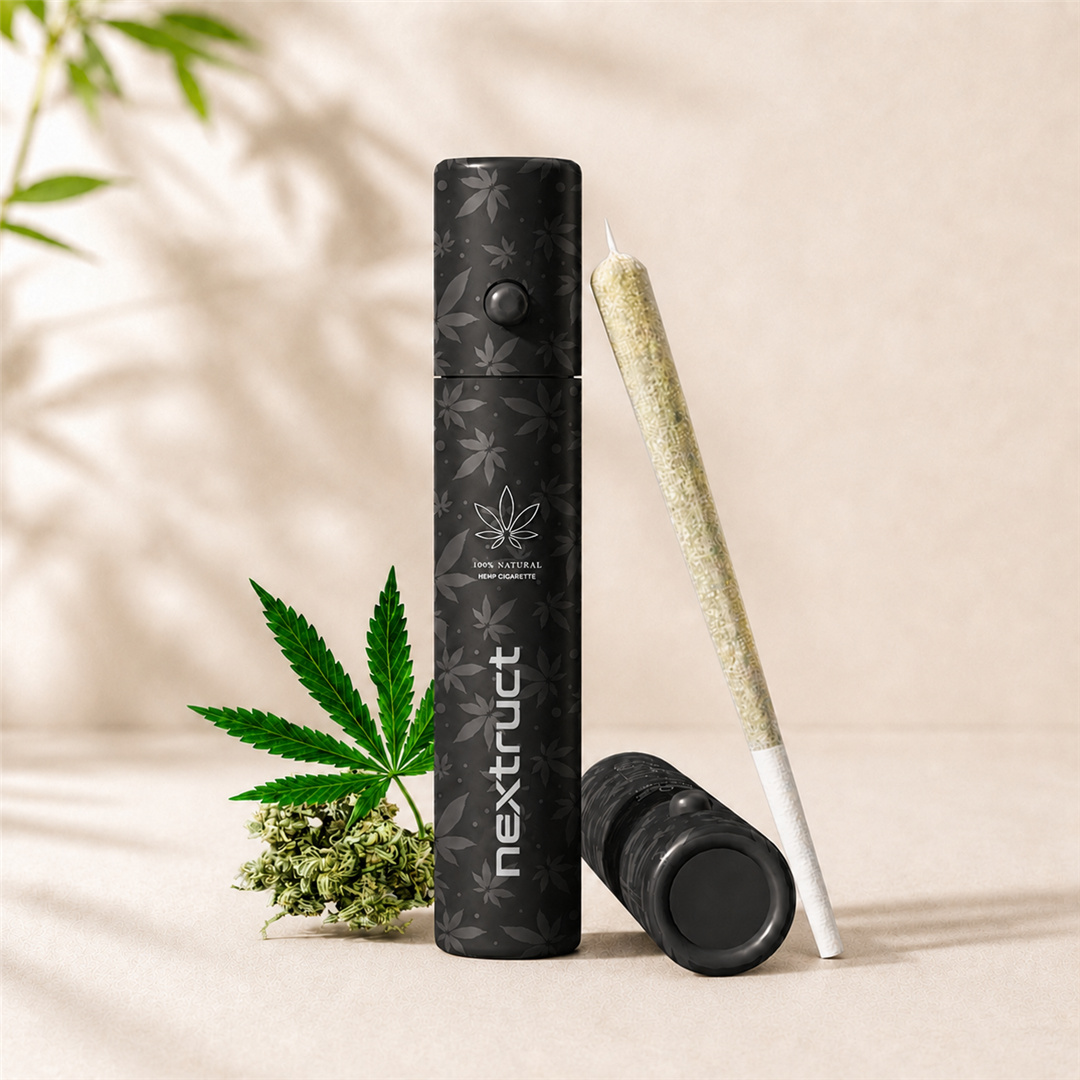
With the legalization of CBD and cannabis-infused topicals, there is a growing demand for child-resistant, leak-proof paper packaging. These tubes require a secondary locking mechanism (such as a push-and-turn button or a dual-stage release) integrated into the paper structure. The challenge is ensuring that the CR mechanism does not create gaps or pathways for the product to leak, especially when stored in warm environments like pockets or bags.



The next frontier in leak-proof paper tube design is the elimination of all synthetic polymer liners. Researchers are focusing on bio-mimicry, utilizing natural lipids and proteins (such as zein from corn or whey protein) to create micro-coatings that mimic the water-resistant and oil-resistant properties of natural leaves. Furthermore, the development of nanocellulose coatings promises to deliver high-performance oxygen and grease barriers without affecting the repulpability of the paper during recycling.
As brands demand faster time-to-market, digital prototyping and finite element analysis (FEA) are becoming standard in the design phase. By simulating the thermal expansion of cosmetic waxes inside a digital model of a paper tube, engineers can predict leaks and optimize wall thickness before cutting physical molds. This scientific approach ensures that sustainable packaging is just as reliable, functional, and luxurious as the plastic packaging it replaces.