Leave Your Message
The beauty and personal care industry is undergoing a structural revolution. Historically reliant on single-use plastics, global cosmetics brands are facing unprecedented pressure from both consumers and regulatory bodies to eliminate non-biodegradable waste. The humble lip balm tube has emerged as a primary battleground in this transition. Because lip balms and lipsticks are consumed daily and replaced frequently, their packaging represents a high-frequency waste stream that brands can no longer ignore.
As governments introduce stricter policies on microplastics and packaging waste, such as the EU's Packaging and Packaging Waste Regulation (PPWR) and the US Modernization of Cosmetics Regulation Act (MoCRA), the demand for viable, plastic-free alternatives has surged. Brands that proactively adopt paper-based, biodegradable, or hybrid packaging solutions are not only fulfilling ecological mandates but are also capturing the loyalty of eco-conscious consumers who actively seek out zero-waste branding.
Transitioning to a plastic-free lip balm tube presents significant engineering challenges. Traditional plastics provide an inert barrier that prevents the migration of cosmetic oils and waxes. Paper, by nature, is porous and absorbent. Without advanced structural engineering and barrier technology, cosmetic formulations can seep through the paperboard, compromising the structural integrity of the tube and ruining the aesthetic appeal of the branding.
This is where structural innovation becomes critical. By developing high-performance fiber containers equipped with eco-friendly greaseproof linings and precise mechanical tolerances, manufacturers can now offer paper tubes that mimic the functionality of traditional plastic containers. From push-up designs to sophisticated hybrid twist-up mechanisms featuring FSC-certified paper inserts, the cosmetic packaging industry is proving that environmental sustainability does not require a sacrifice in product performance or luxury feel.
Modern consumers expect a holistic approach to sustainability. Packaging is no longer viewed in isolation; it is evaluated based on its entire lifecycle—from the sourcing of raw materials (such as FSC-certified forests) to its ultimate end-of-life disposal. Biodegradable paper tubes that decompose naturally without leaving toxic residues represent the pinnacle of circular design in the cosmetics sector.

To successfully package anhydrous products like lip balms, lipsticks, and solid perfumes, the internal surface of the paper tube must be treated with specialized coatings. Historically, plastic laminations (such as polyethylene) were applied, which unfortunately rendered the packaging non-compostable and difficult to recycle. Today, advanced barrier technologies utilize plant-based waxes, PLA (polylactic acid), or water-based dispersion coatings that create an impermeable shield against oils and fats while remaining fully biodegradable.
These barrier coatings are applied using high-precision machinery to ensure uniform coverage. This prevents the cosmetic formulation from reacting with the cellulose fibers of the paper, preserving the scent, color, and texture of the cosmetic product over its entire shelf life. This material science breakthrough has paved the way for high-end cosmetics brands to confidently transition their flagship product lines to plastic-free packaging.
The user experience of a lip balm tube depends heavily on its dispensing mechanism. The classic push-up paper tube relies on friction and a movable paper disc at the base. While highly sustainable and 100% plastic-free, it requires manual adjustment by the consumer. To bridge the gap between traditional plastic convenience and ecological responsibility, hybrid twist-up structures have been engineered.
These hybrid designs utilize an outer sleeve made of premium FSC-certified paper, combined with a minimal, highly recyclable PP or PCR (post-consumer recycled) plastic core. This configuration reduces plastic usage by up to 80% while retaining the familiar, smooth twisting mechanism that consumers expect from luxury cosmetic brands. For brands aiming for absolute zero-plastic claims, fully paper-based screw-cap and push-up designs provide a rugged, functional, and highly tactile alternative.


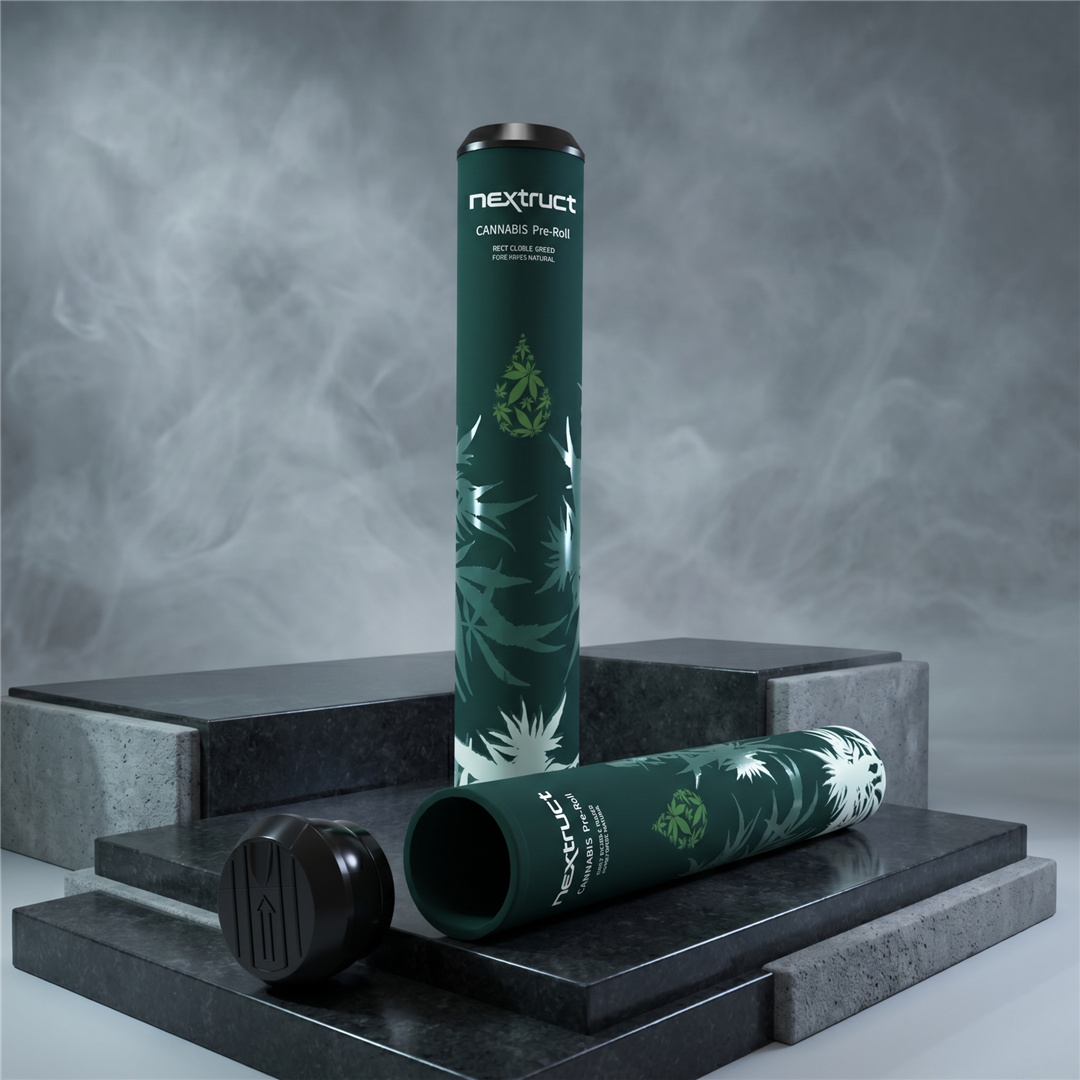
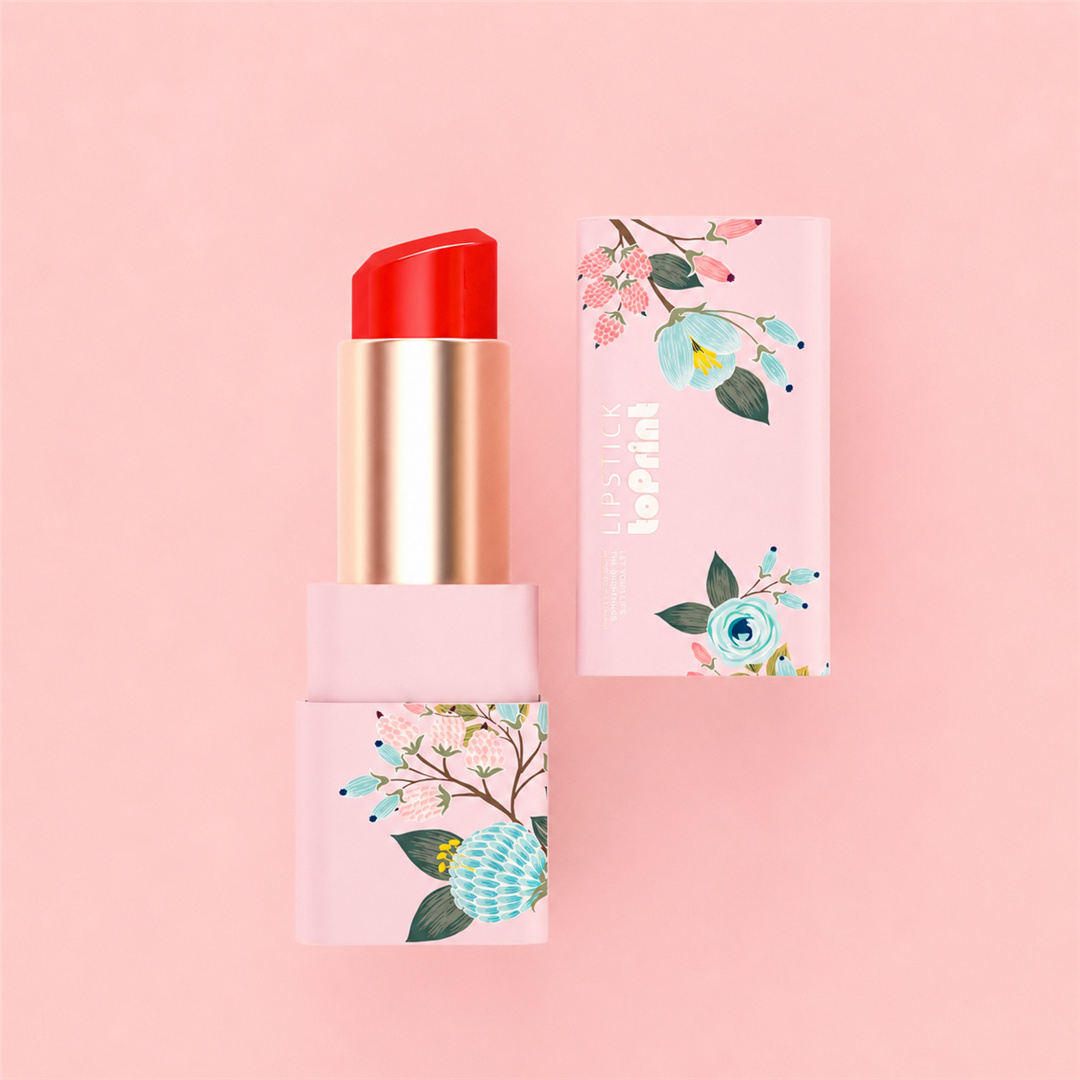
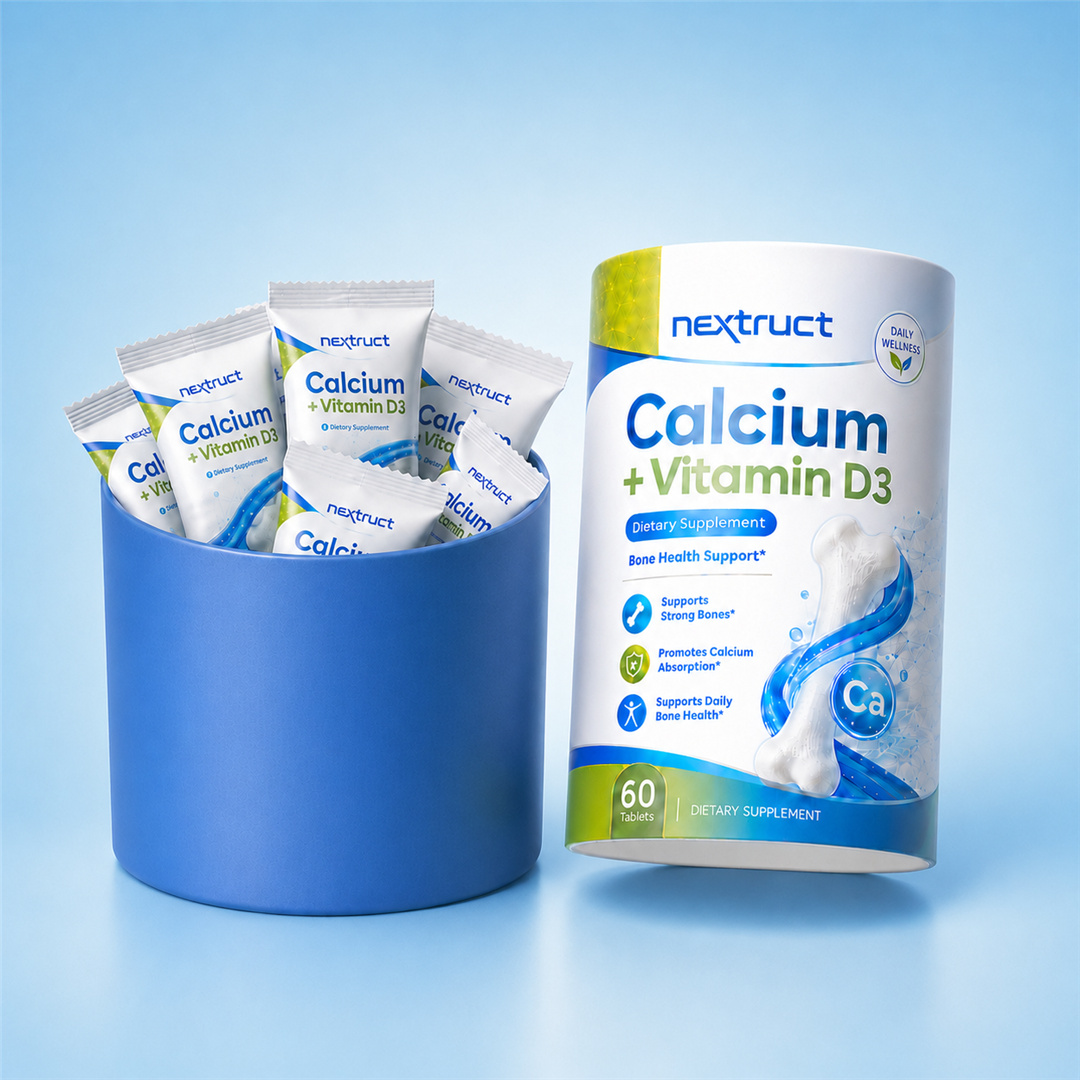
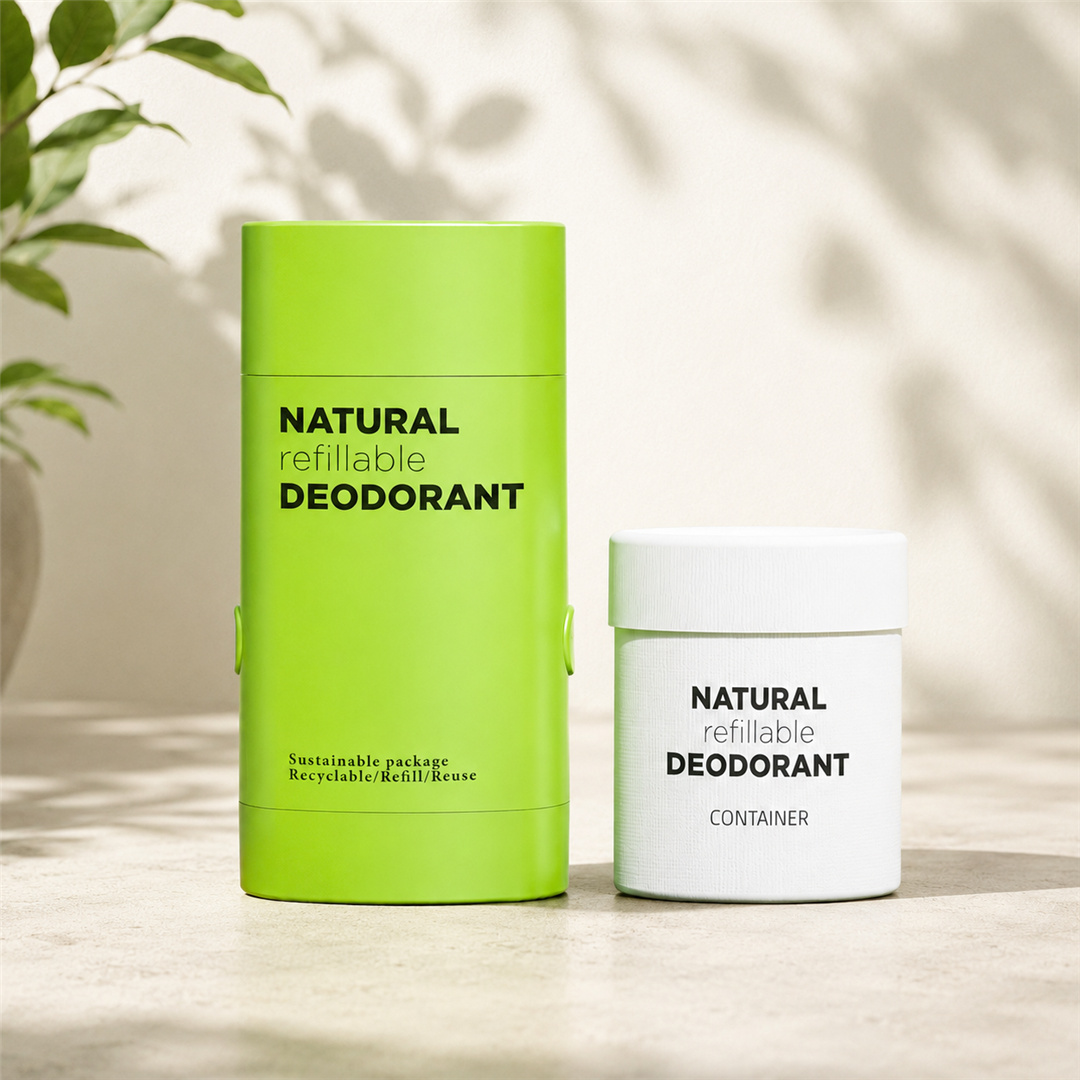
While the primary application of sustainable fiber tubes is lip care, their versatile structural design allows them to serve a wide array of personal care and cosmetic sectors. By modifying the diameter, height, barrier properties, and dispensing mechanisms, brands can create a cohesive, plastic-free product family that reinforces their commitment to sustainability across multiple categories.
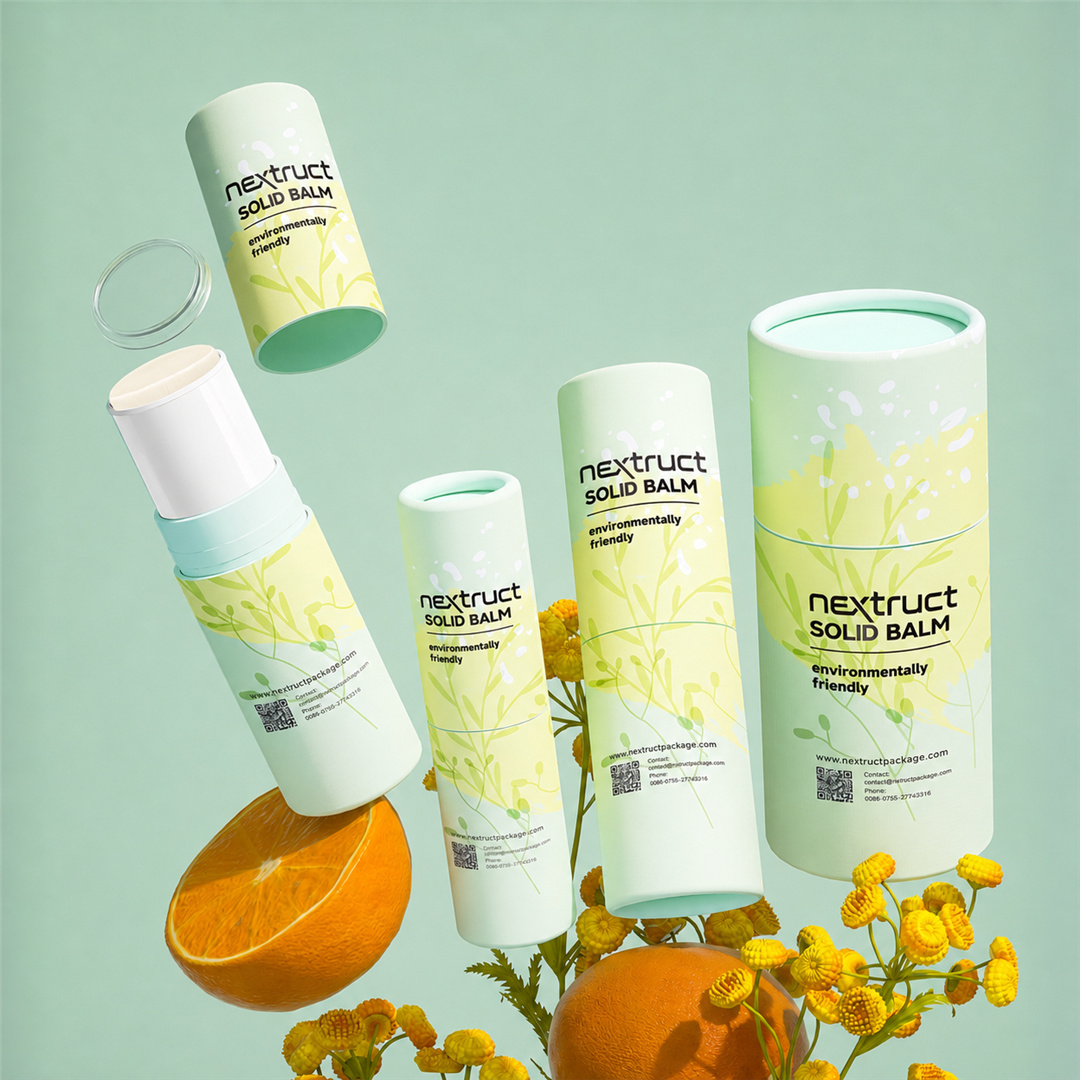
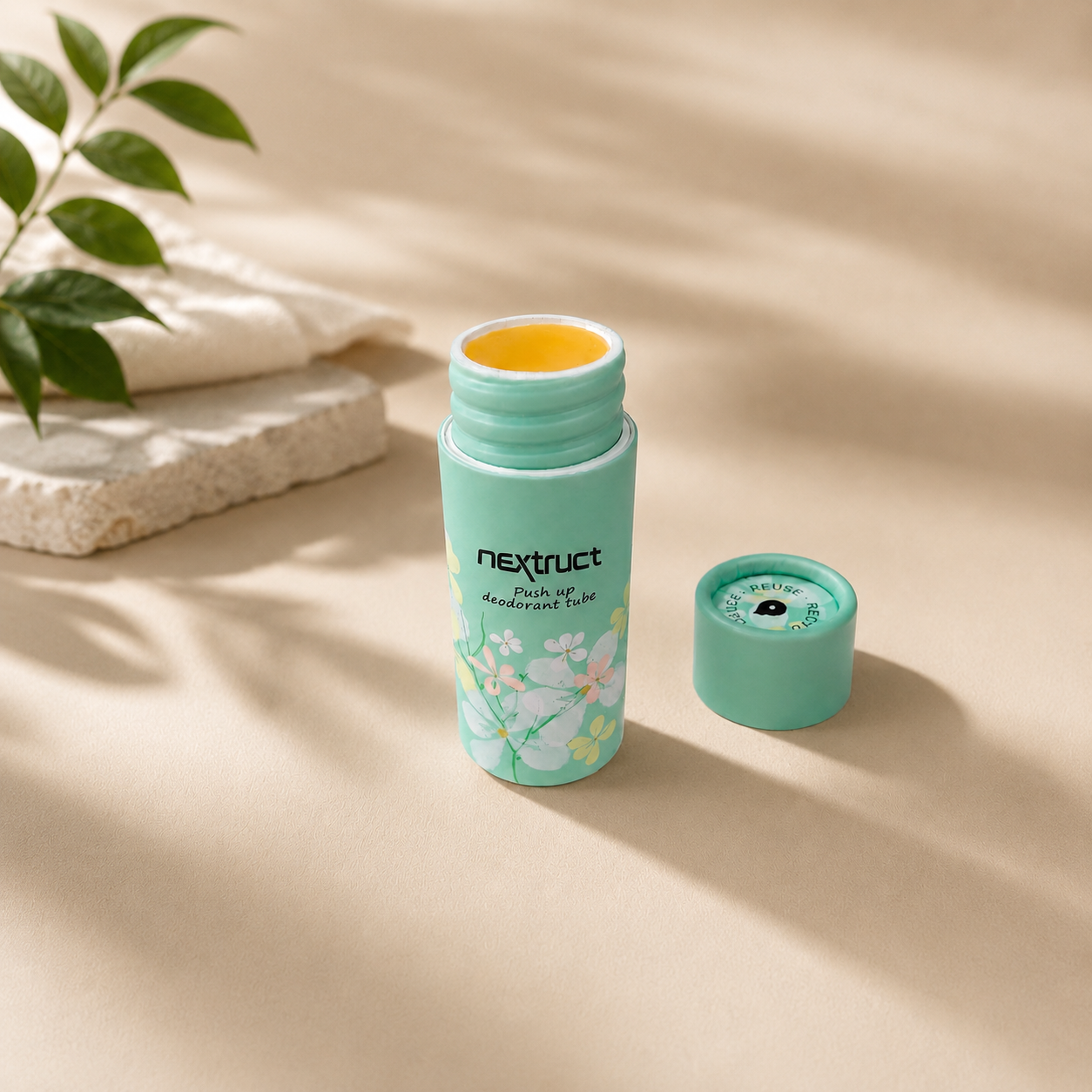
The beauty industry is witnessing a massive surge in solid formulations. Waterless beauty products—such as solid moisturizers, serum sticks, blushes, highlighters, and bronzers—are ideally suited for paper tube packaging. These formulations contain little to no water, reducing the risk of microbial growth and packaging degradation. Utilizing a wide-diameter fiber tube for a solid body moisturizer or sunblock stick provides a large surface area for easy application, while showcasing the organic, earthy texture of the paperboard packaging.
Additionally, solid perfumes and aromatherapy sticks are finding a natural home in paper tubes. The dense, compacted paperboard acts as an excellent insulator, protecting the volatile essential oils from rapid temperature fluctuations and preserving the integrity of the fragrance profile over time.
Sustainable packaging does not mean aesthetic compromise. In the luxury cosmetics market, tactile feedback is a key driver of purchase decisions. Paperboard tubes offer a warm, premium, organic feel that cold plastic simply cannot replicate. Furthermore, paper is an exceptional canvas for advanced printing and decoration techniques.
Brands can utilize soy-based or water-based inks for vibrant, eco-friendly color representation. Techniques such as blind embossing, debossing, and hot foil stamping (using biodegradable foils) can be applied directly to the outer paper sleeve, creating a multi-dimensional, luxurious tactile experience. Matte or gloss aqueous coatings can also be added to protect the outer artwork from moisture and handling in wet bathroom environments, ensuring the brand remains pristine throughout the product's lifespan.
In the age of social media, the unboxing experience is a powerful marketing tool. A beautifully crafted paper lip balm tube tells a story of environmental responsibility the moment the consumer touches it. By aligning packaging design with ecological values, cosmetic brands can foster deep emotional connections with their audience, driving organic social media exposure and repeat purchases.
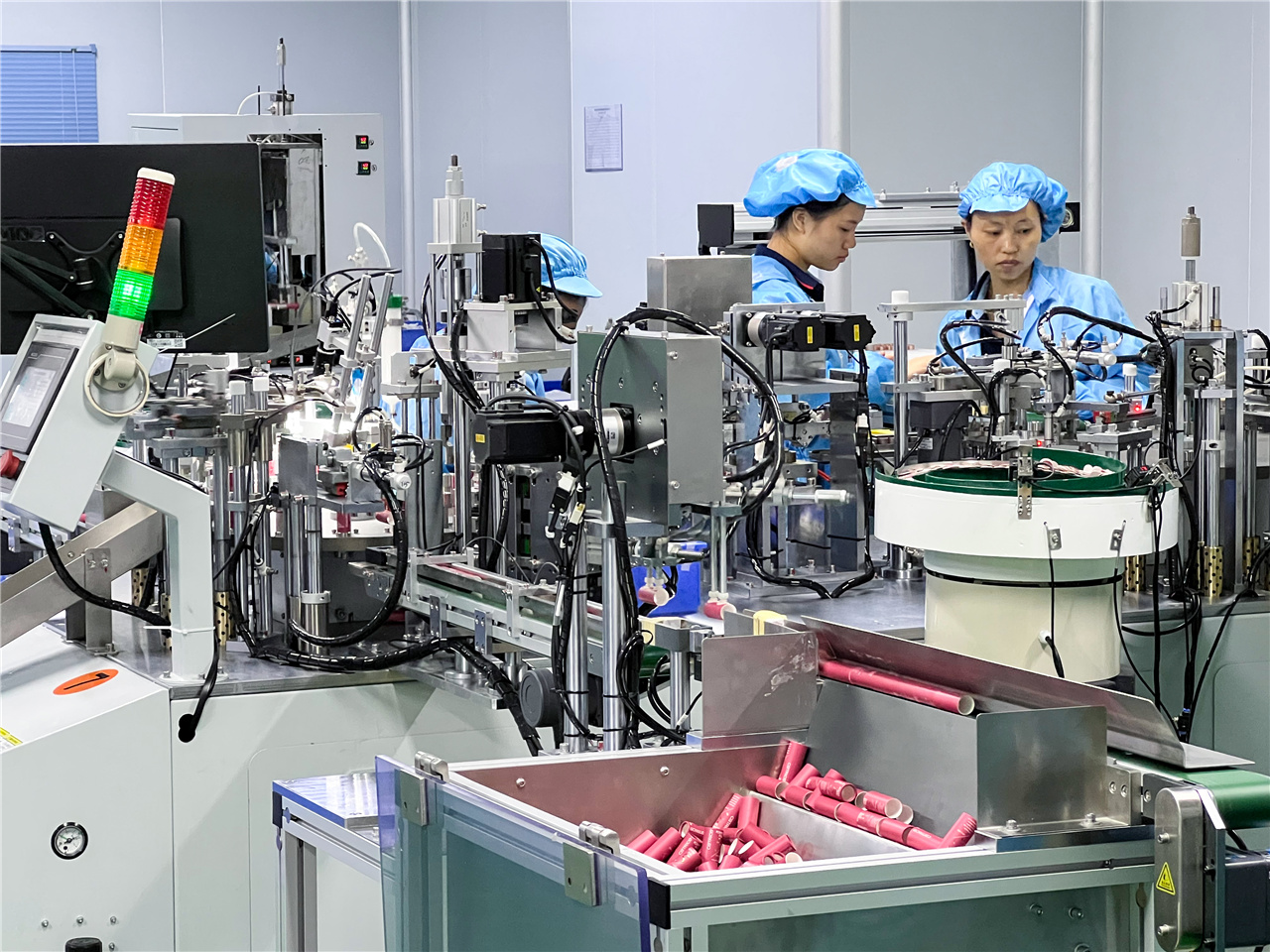
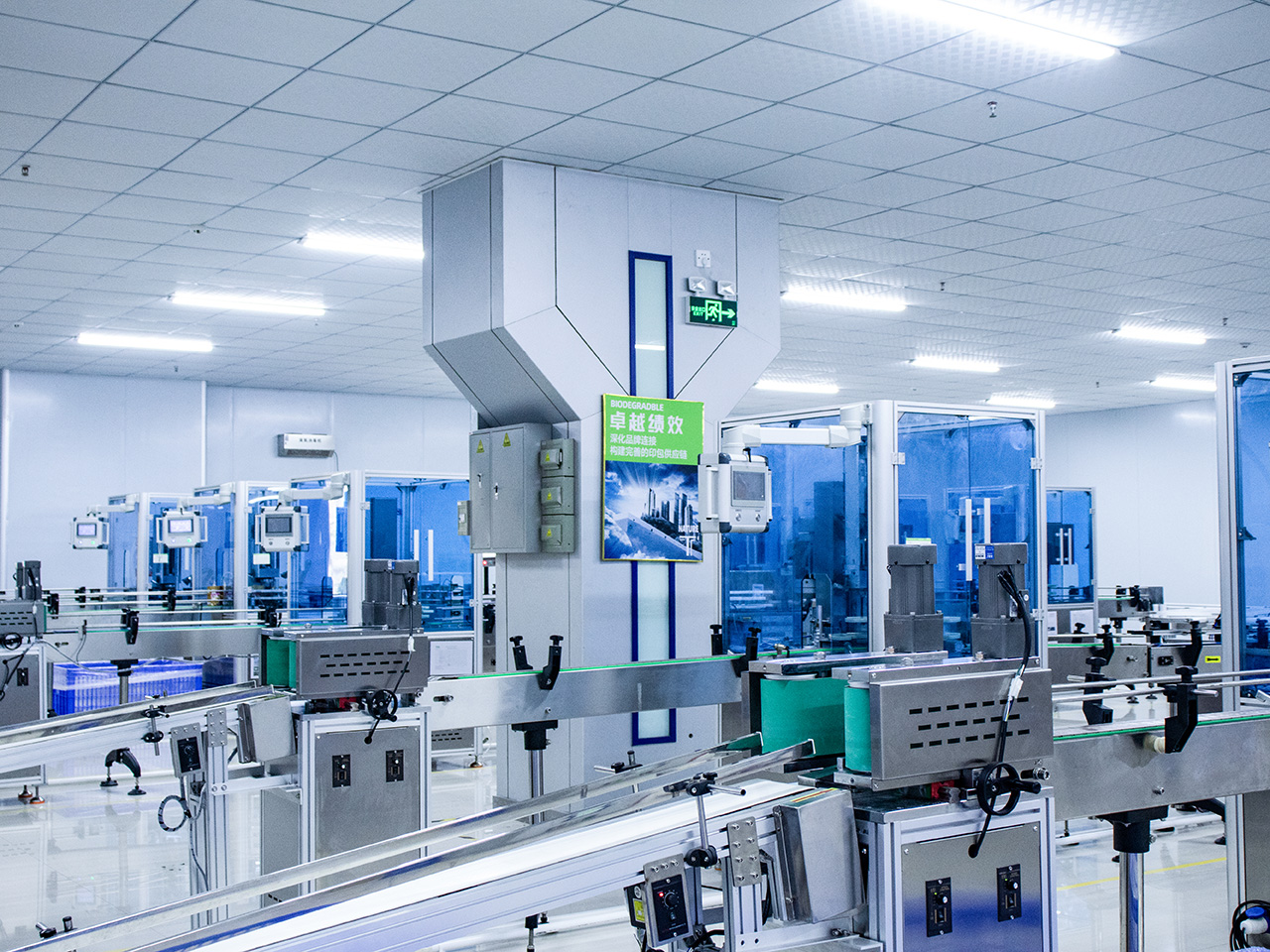
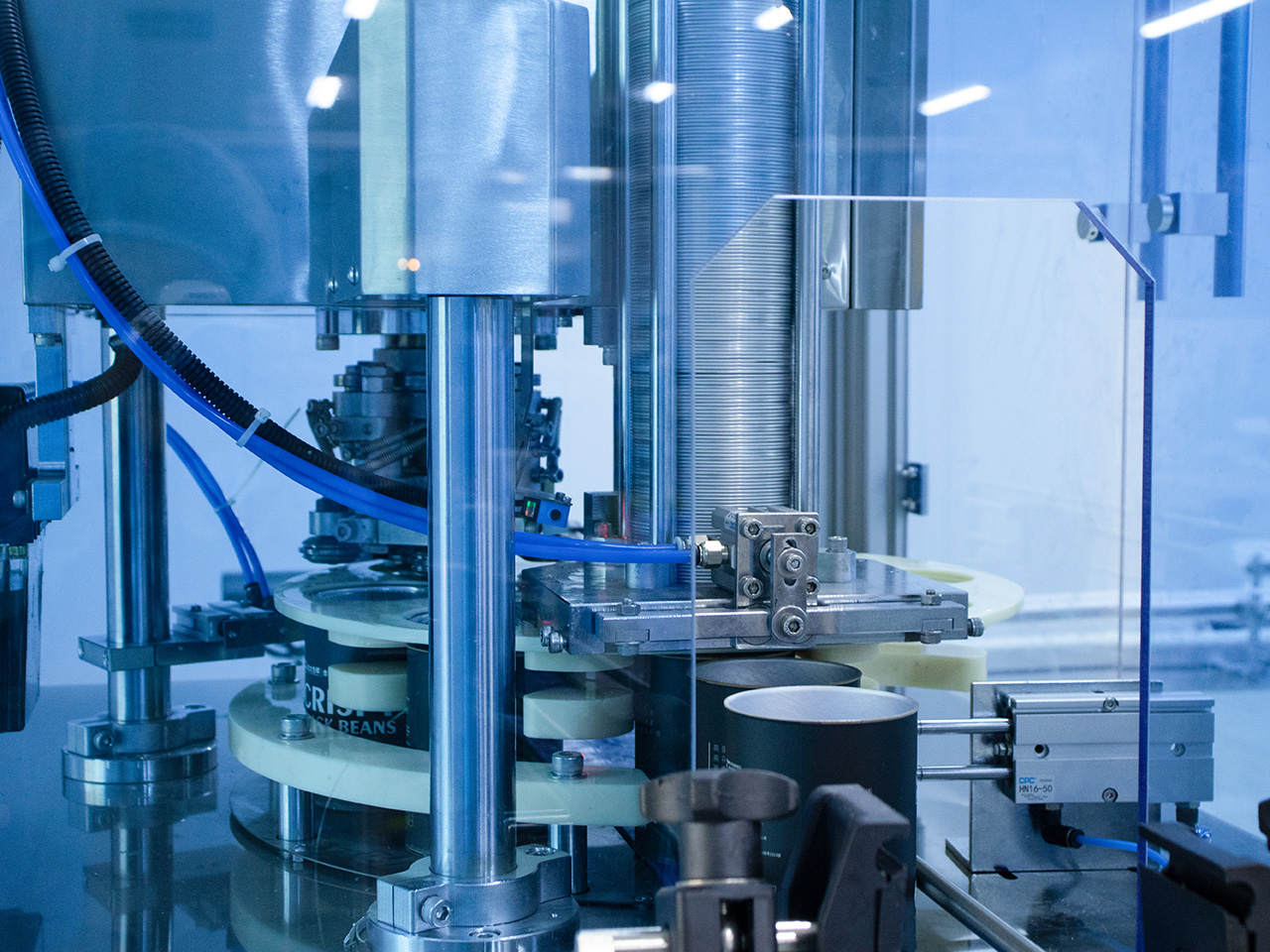
Transitioning a global brand to plastic-free packaging requires more than just a great design; it demands a scalable, compliant, and highly reliable supply chain. Large-scale cosmetic manufacturers operate under tight production timelines and strict quality control standards. Any packaging defect can lead to costly line stoppages or product recalls.
Exporting cosmetic products to international markets requires compliance with a complex web of environmental and safety regulations. Sourcing packaging from certified facilities is essential. Certifications such as the Forest Stewardship Council (FSC) guarantee that the wood fibers used to manufacture the paper tubes are harvested from responsibly managed forests that provide environmental, social, and economic benefits.
Furthermore, adherence to ISO management systems (such as ISO 9001 for quality management, ISO 14001 for environmental management, and ISO 45001 for occupational health and safety) ensures that the manufacturing process is consistent, clean, and safe. For brands looking to market their products in Europe and North America, these certifications are often pre-requisites for retail distribution.
A common misconception is that sustainable packaging is financially prohibitive. While raw material costs for premium paperboard can be higher than virgin plastics, the long-term economic benefits often outweigh the initial investment. Sustainable packaging drives brand differentiation, allowing companies to position their products at a premium price point. Additionally, as plastic taxes and carbon offset costs continue to rise globally, shifting to bio-based materials serves as a strategic hedge against future regulatory costs.
By partnering with a vertically integrated packaging provider that offers end-to-end solutions—from rapid visual prototyping to structural engineering and automated mass production—brands can optimize their packaging dimensions, reduce shipping weights, and minimize waste, ultimately achieving a highly competitive total cost of ownership (TCO).