Leave Your Message
Explore our premier packaging solutions engineered to meet the strict threshold of global plastic tax exemptions, maximizing fiber content and high-ratio PCR materials.
Across the globe, the packaging industry is facing a regulatory revolution. Governments are actively executing aggressive fiscal strategies to curb the consumption of virgin plastics and drive the transition toward a circular economy. The introduction of plastic packaging taxes—such as the UK Plastic Packaging Tax (PPT), the European Union’s levy on non-recycled plastic packaging waste, and expanding Extended Producer Responsibility (EPR) frameworks in North America—has shifted sustainable packaging from a corporate social responsibility (CSR) goal to a core financial imperative.
To minimize exposure to these mounting plastic taxes, manufacturers and brands must rethink their material selections. The solution lies in adopting the latest packaging technologies that prioritize high-grade post-consumer recycled (PCR) materials, bio-based polymers, and, most importantly, advanced fiber-based paper alternatives. By substituting virgin plastics with innovative sustainable materials, companies can legally reduce or eliminate their tax liabilities while aligning with global environmental standards.
Achieving tax compliance requires a deep understanding of packaging material alternatives. Depending on the product application, different structural configurations are deployed to ensure both functional barrier properties and tax exemption:
For liquid formulations, cosmetics, and flexible squeeze tubes where barrier integrity is paramount, virgin plastics are increasingly replaced by PCR-PE or PCR-PP. By ensuring that the PCR content surpasses the legislative thresholds (typically 30% to 50% depending on the region), brands can mitigate the penalty rates. Advanced purification processes now allow PCR plastics to meet food-grade and medical-grade standards, expanding their utility in cosmetic and wellness packaging.
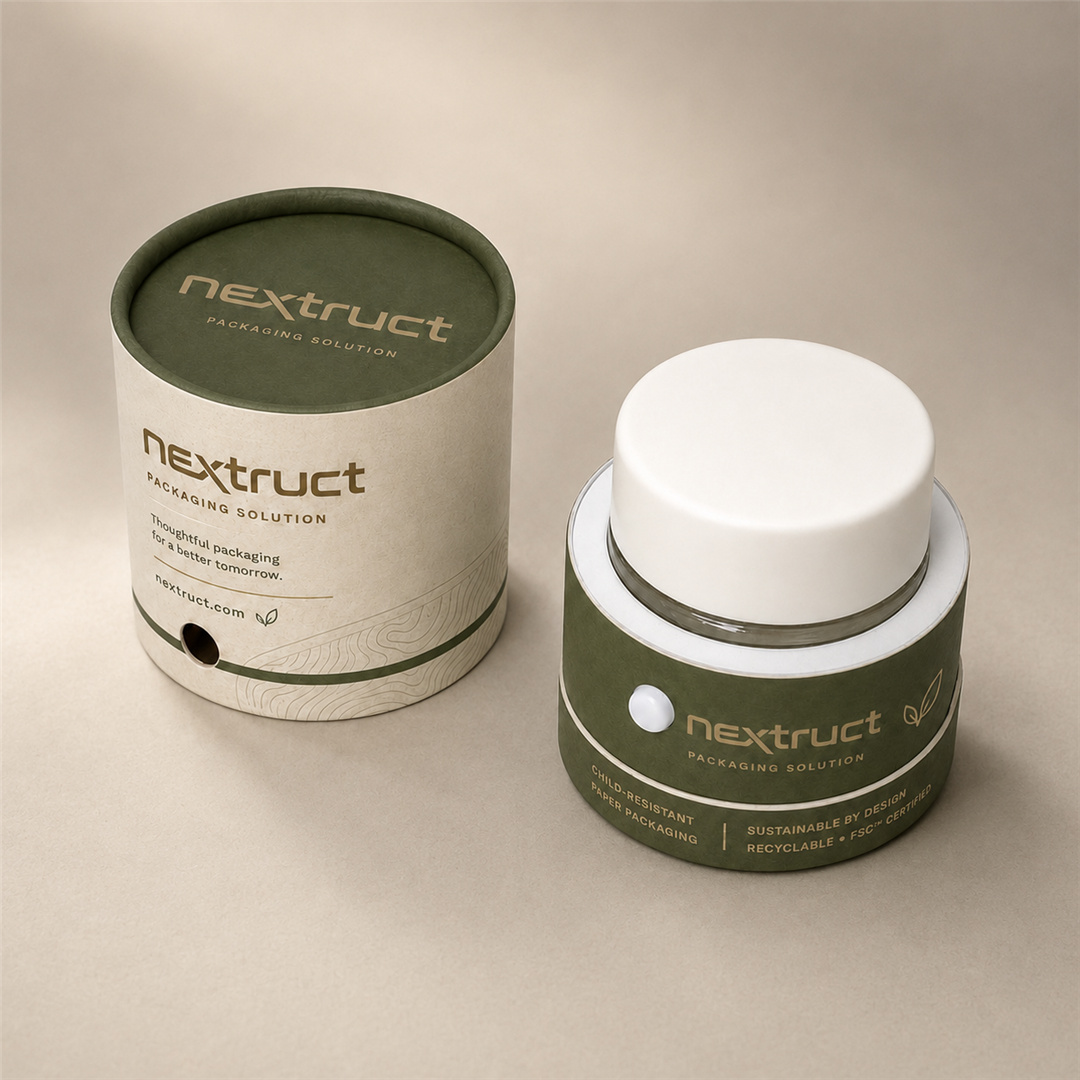
Paper and paperboard naturally bypass plastic tax regulations as they are classified as renewable, non-plastic resources. The challenge has historically been replicating the structural strength and moisture barrier properties of traditional plastic. Modern fiber containers, paper canisters, and molded pulp containers utilize advanced bio-coatings and specialized structural engineering to provide water resistance, grease barriers, and child-resistant (CR) functionalities without relying on non-recyclable plastic liners.
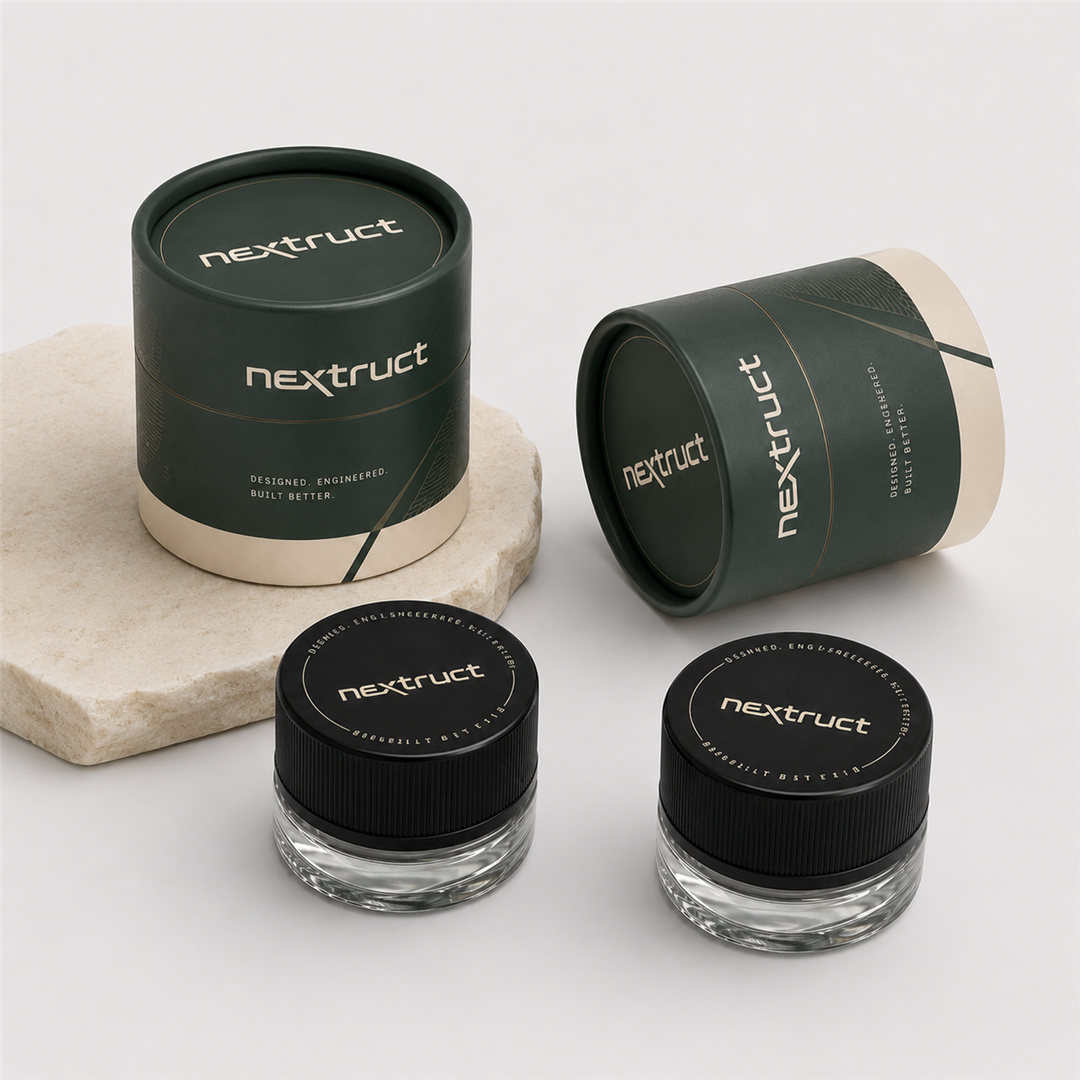
Hybrid packaging approaches leverage the strength of multiple materials. For instance, pairing a highly recyclable glass jar with an outer protective fiber sleeve, or utilizing paper-based tubes with minimal, easily separable PCR plastic components. The ultimate goal is to design for circularity, facilitating easy sorting and recycling at the product's end-of-life, which in turn reduces EPR fees and plastic tax burdens.



Transitioning away from virgin plastic requires a tailored approach based on vertical market requirements. Below, we analyze how sustainable materials and structural innovations solve compliance challenges in key industries:
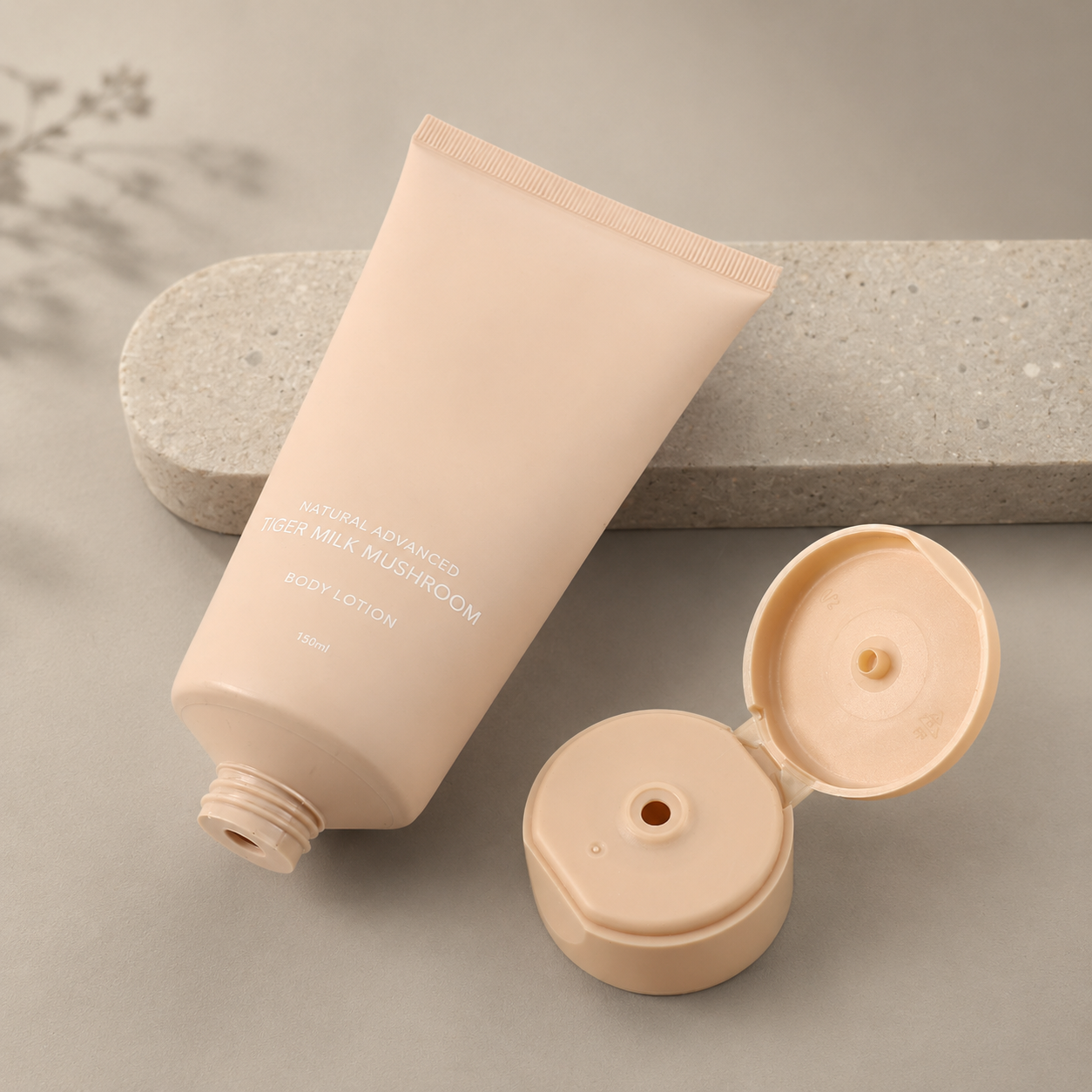
The beauty industry traditionally relies on multi-layer plastic tubes, pumps, and jars that are notoriously difficult to recycle, subjecting them to high plastic taxes. By utilizing Custom PCR-PE Squeeze Tubes, brands can instantly qualify for tax exemptions by incorporating post-consumer recycled plastic levels that exceed regional thresholds. For dry formulations, lip balms, and solid deodorants, switching to Paper Concentrate Jar Tubes completely eliminates plastic tax liability, replacing plastic components with biodegradable, FSC-certified paperboard.
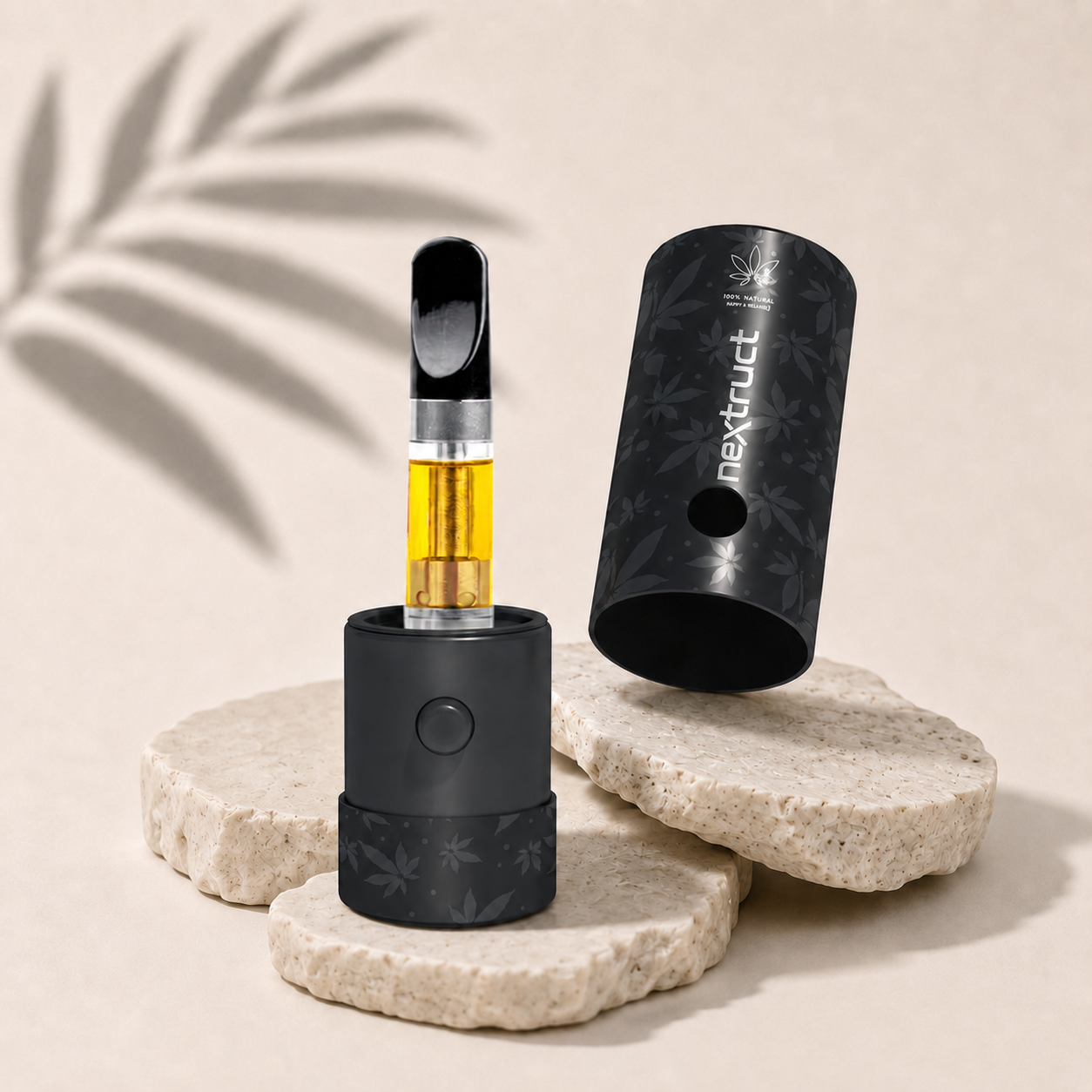
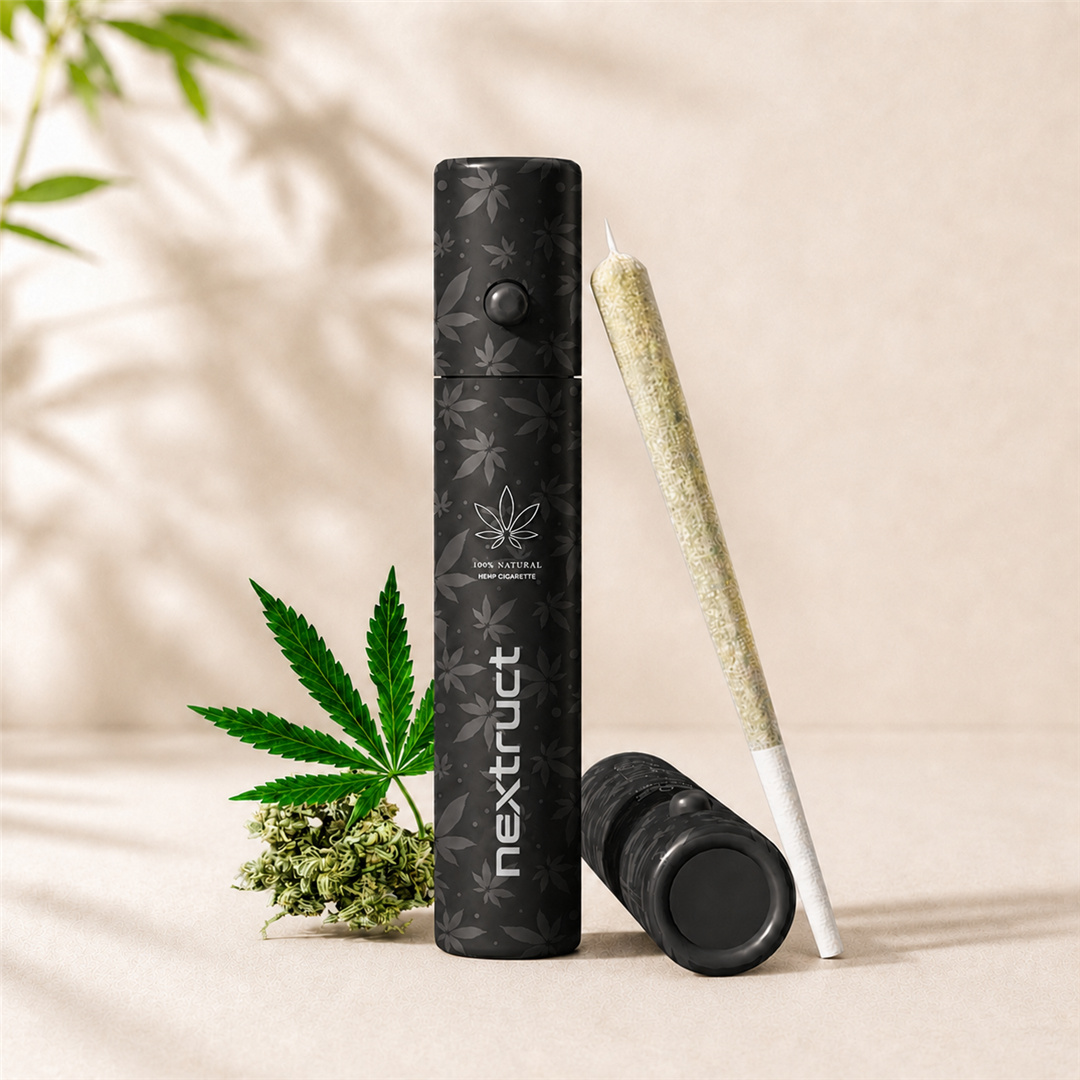
E-cigarette packaging faces both environmental taxes and strict child-safety regulations. Nextruct's Eco-Friendly Biodegradable CR Paper Packaging addresses both challenges. By replacing plastic child-resistant slider boxes with patented, push-button paper-based locking mechanisms, vape manufacturers can completely avoid plastic taxes while maintaining compliance with international child-resistant safety standards (such as US 16 CFR § 1700.20).
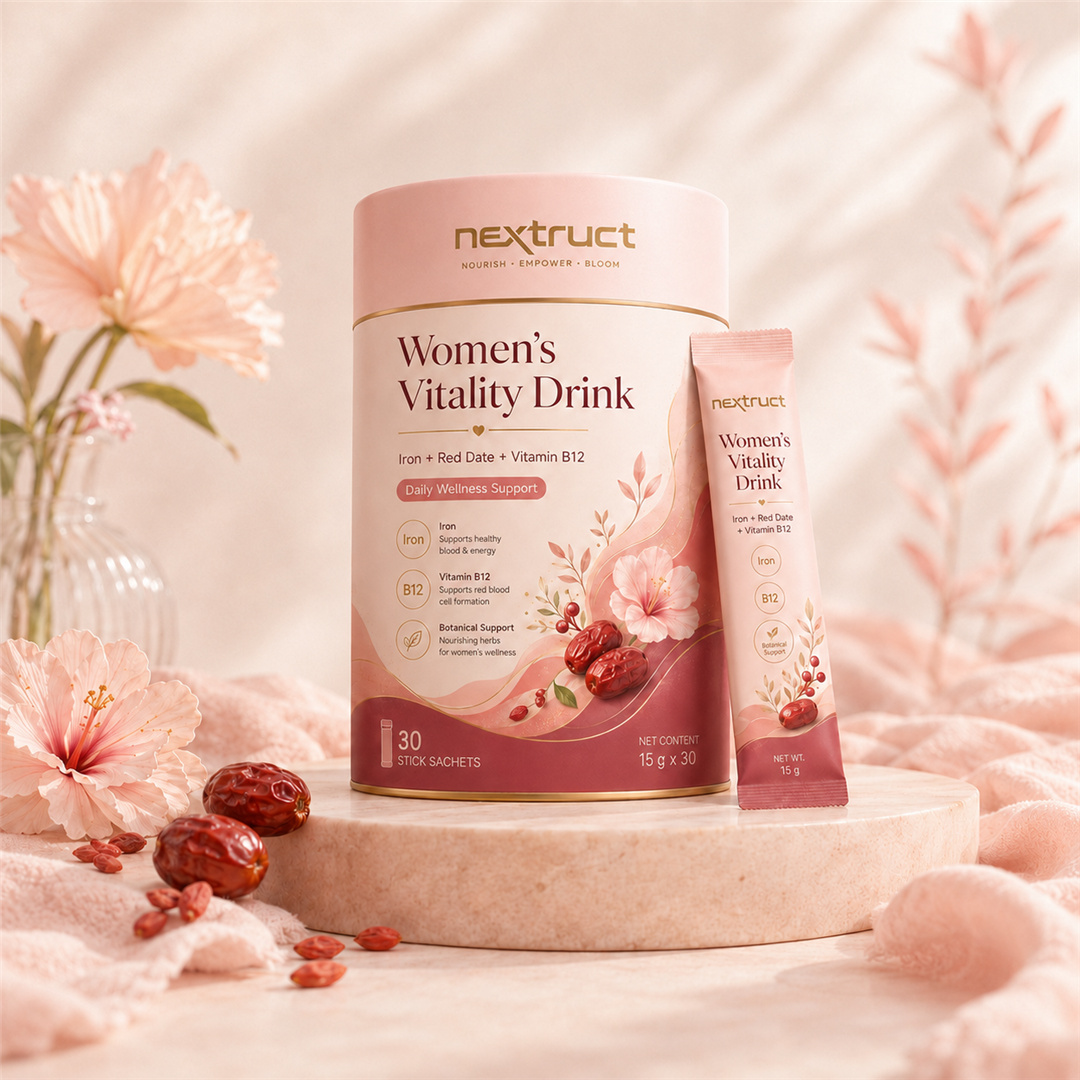
Supplements and vitamins have long been housed in thick HDPE or PET bottles. The latest packaging trend introduces Custom Paper Supplement Tube Packaging. These tubes utilize high-density fiber walls combined with food-grade inner barriers to protect contents from moisture and oxidation. This transition yields significant weight savings, reduces transport emissions, and bypasses the plastic tax entirely.
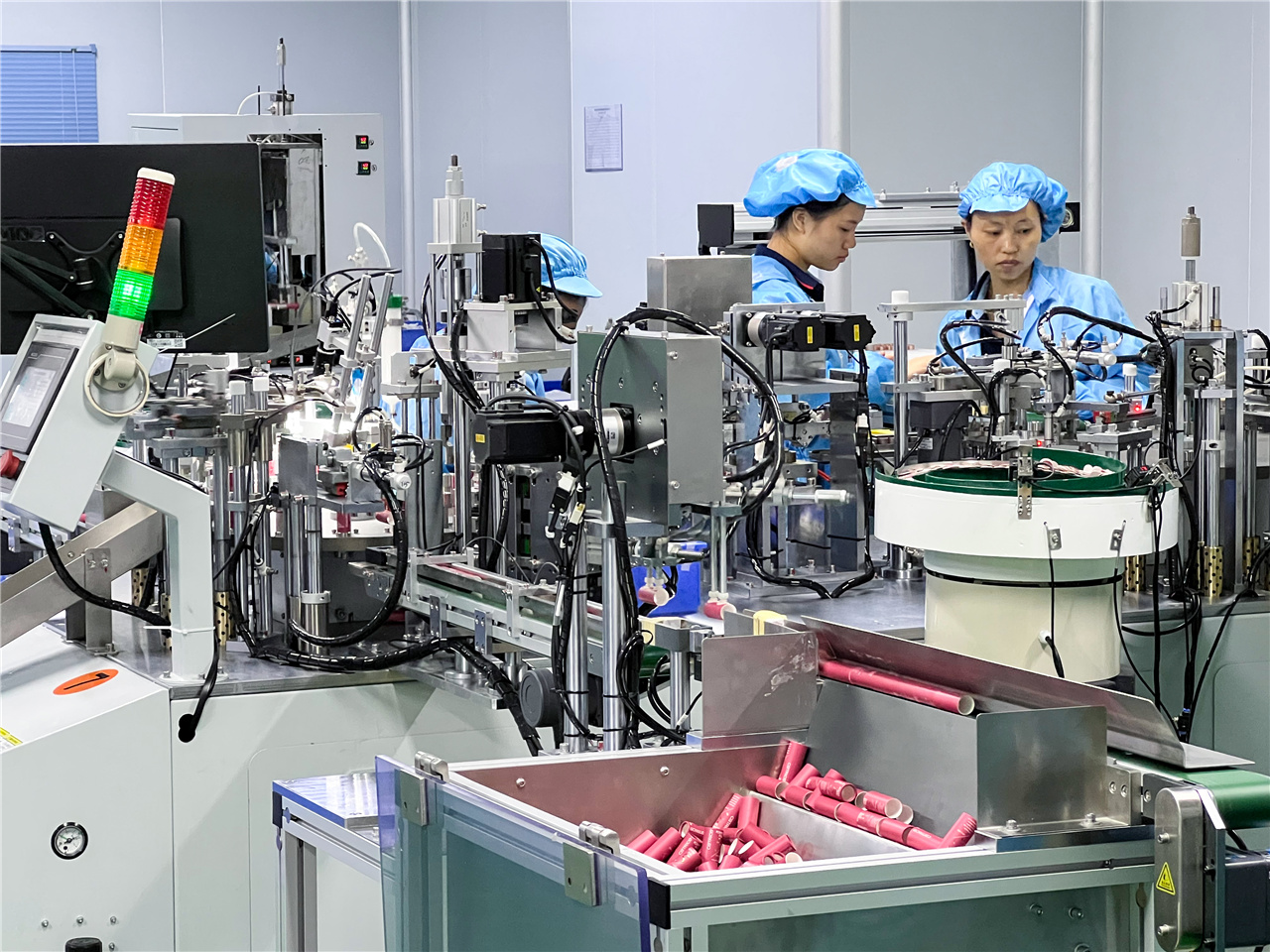
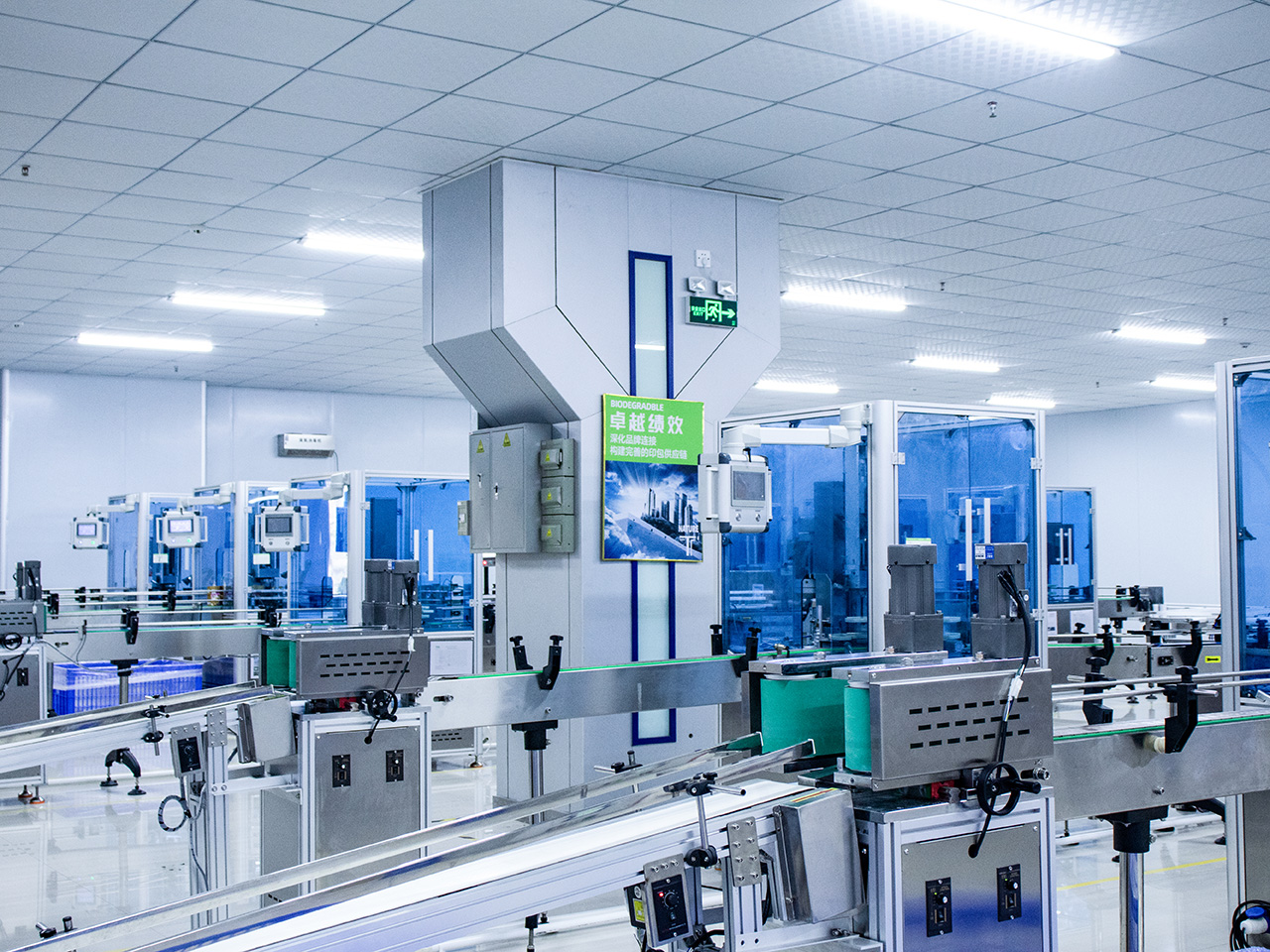
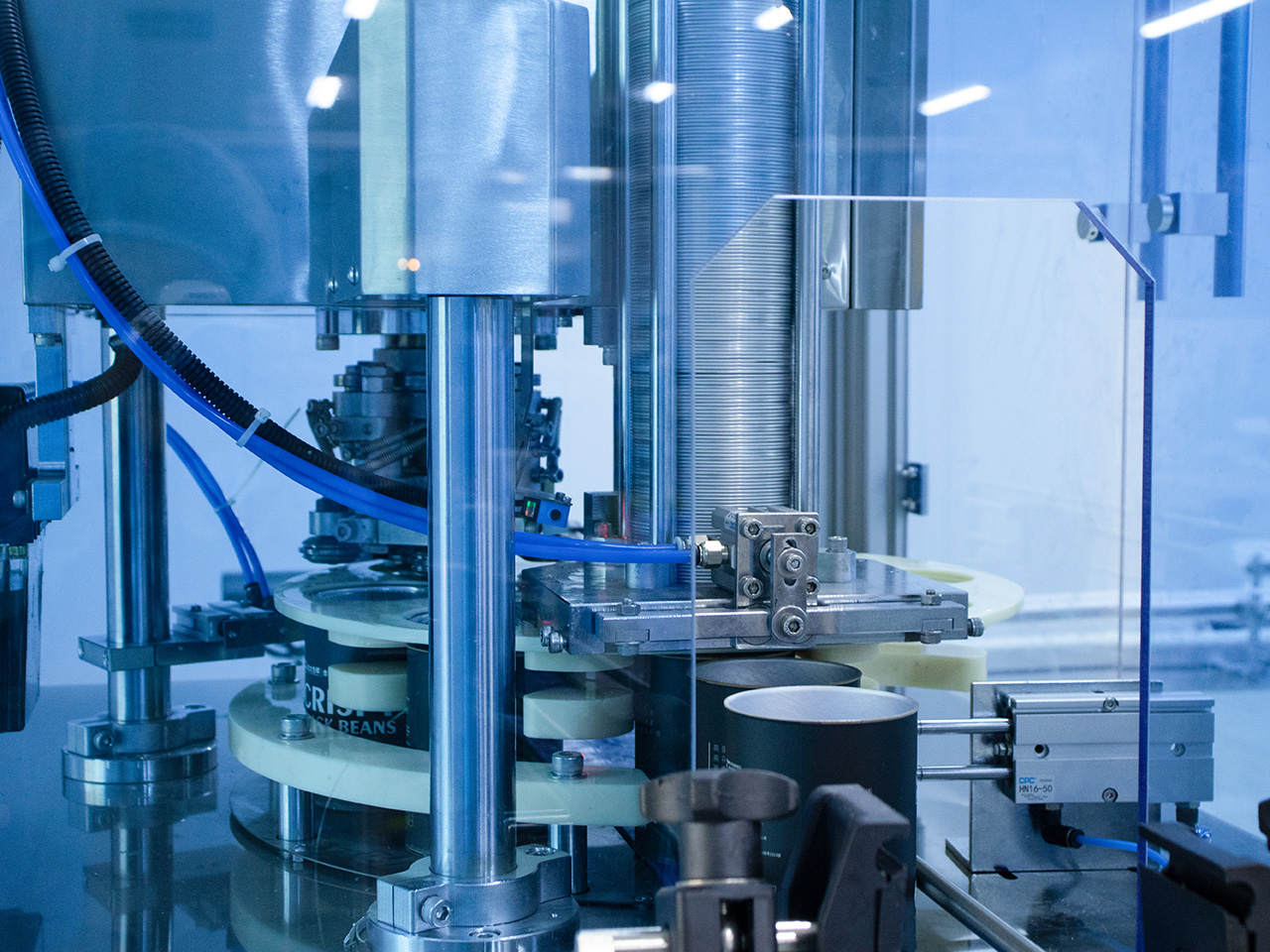
Browse our full range of eco-engineered packaging options designed to optimize your brand's environmental footprint and minimize plastic tax liability.