Leave Your Message
In the contemporary consumer landscape, the intersection of wellness and sustainability is no longer a niche trend; it is a critical commercial imperative. When brands set out to design a packaging for sustainable wellness and supplement packaging, they face a complex matrix of regulatory compliance, barrier properties, brand differentiation, and consumer expectations. The global nutraceutical packaging market is undergoing a structural transition. Historically reliant on rigid HDPE bottles and amber glass jars, the industry is pivoting toward high-performance fiber containers, PCR-PE squeeze tubes, and biodegradable paper structures.
Transitioning from linear "take-make-waste" plastics to fully recyclable paper fibers, glass, and PCR plastics that actively reduce carbon footprints.
Ensuring supplements, vitamins, and concentrates remain protected from moisture, oxygen, and UV light without relying on non-recyclable multi-layer films.
Developing plastic-free child-resistant (CR) closure systems that meet strict safety protocols while maintaining environmental compatibility.
Consumers purchasing dietary supplements, vitamins, and wellness products are inherently health-conscious. This health-consciousness naturally extends to the health of the planet. Packaging that feels synthetic, non-recyclable, or excessively bulky creates a psychological disconnect for the consumer. Consequently, brands must align their outer packaging with their inner product values. This requires a profound re-evaluation of structural engineering, moving away from single-use plastics and adopting innovative fiber-based tubes, compostable barrier linings, and hybrid structures that combine the durability of recycled glass with the lightweight properties of paperboard.

To successfully design a packaging for sustainable wellness and supplement packaging, designers must analyze the specific demands of different product formats. The wellness vertical is diverse, encompassing everything from dry powders and gummy vitamins to liquid tinctures and oil-based softgels. Each of these categories presents unique chemical and physical challenges that the packaging must resolve.
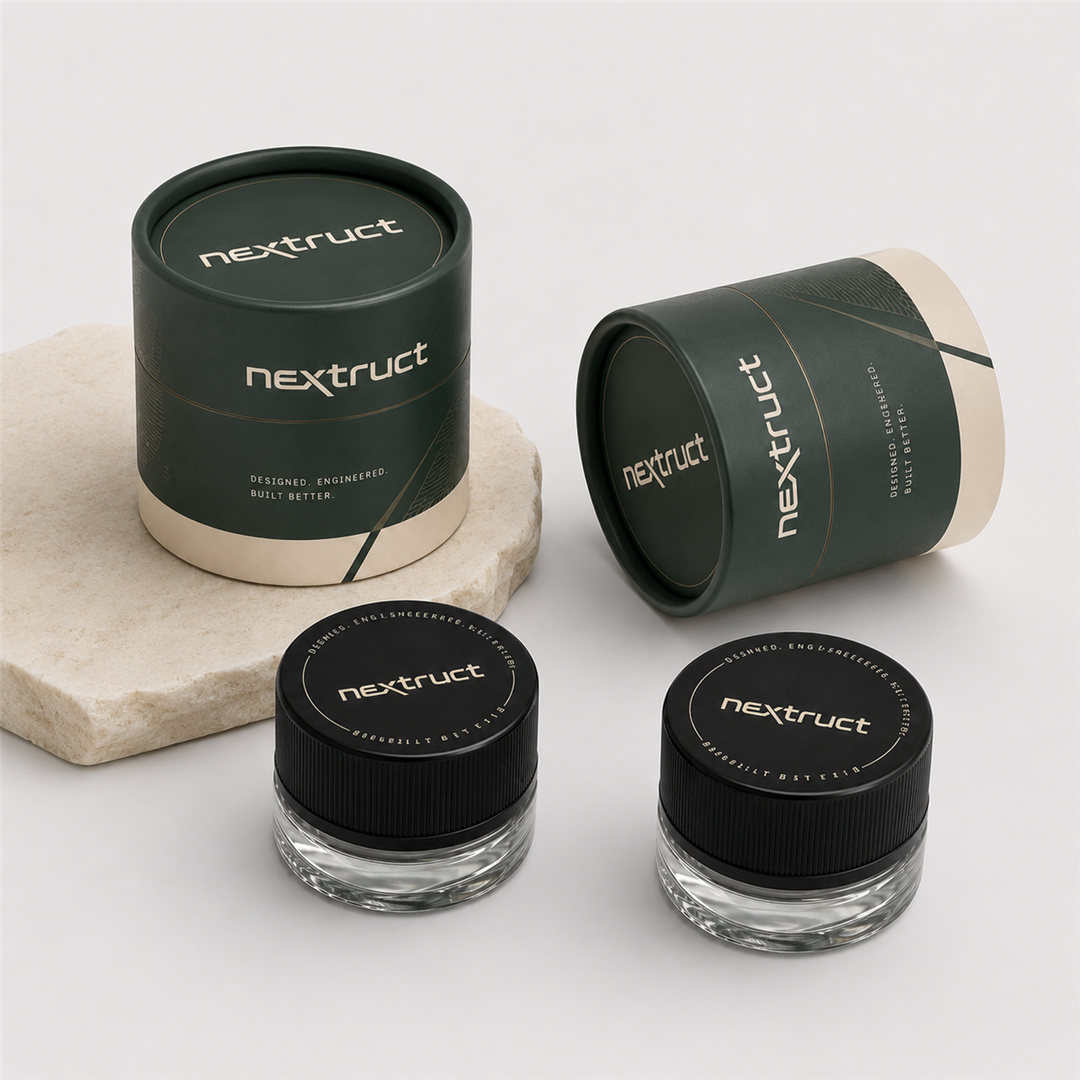
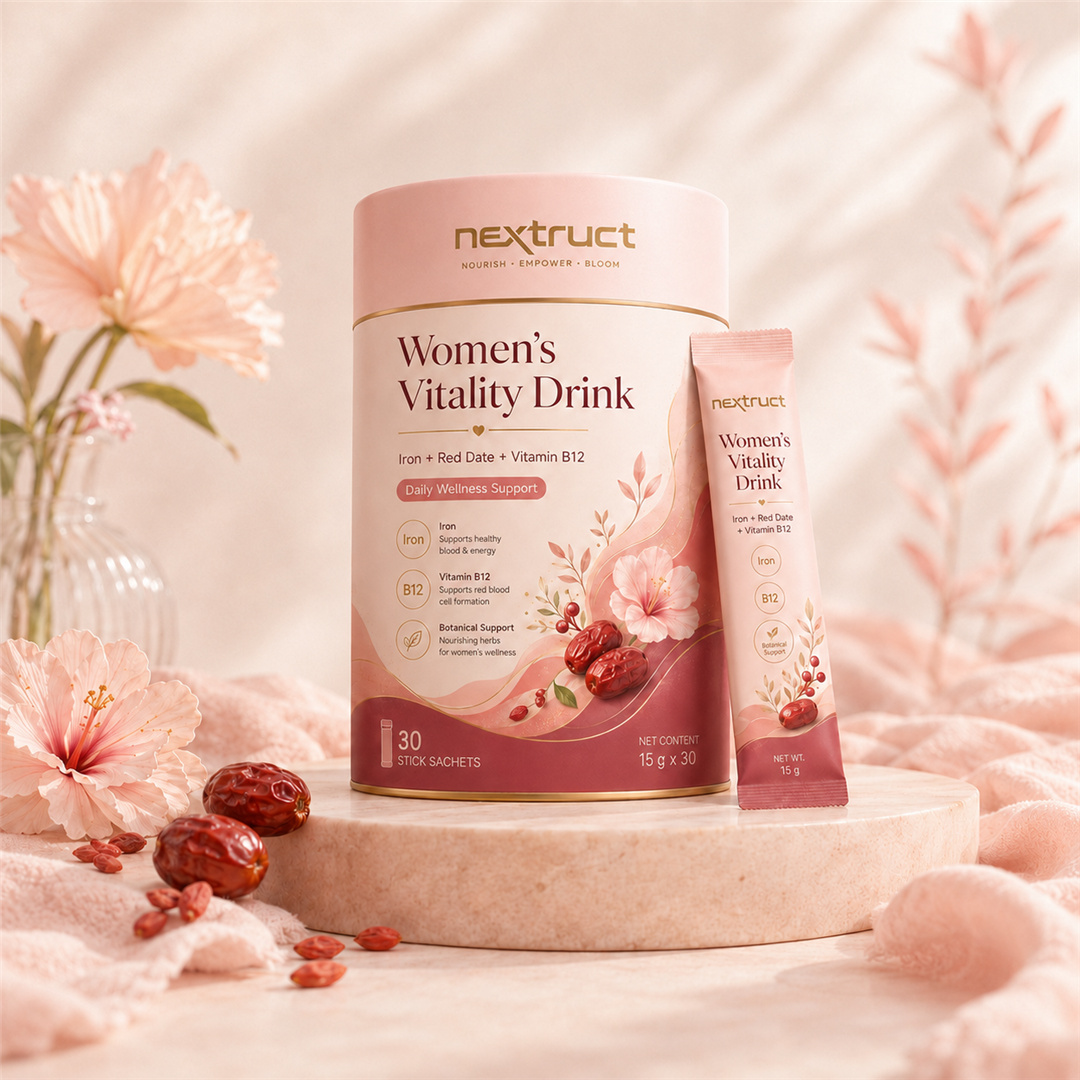
Powdered supplements, such as collagen, protein, greens, and adaptogenic mushrooms, are highly sensitive to moisture absorption. Traditional packaging relies on large, wide-mouth plastic tubs. The sustainable alternative lies in high-performance fiber canisters lined with plant-based, biodegradable barrier films. These structures offer excellent rigidity, gas barrier protection, and a premium tactile experience that conveys natural purity. The custom paper tubes can be engineered with shaker tops or airtight lids to preserve efficacy over extended periods.
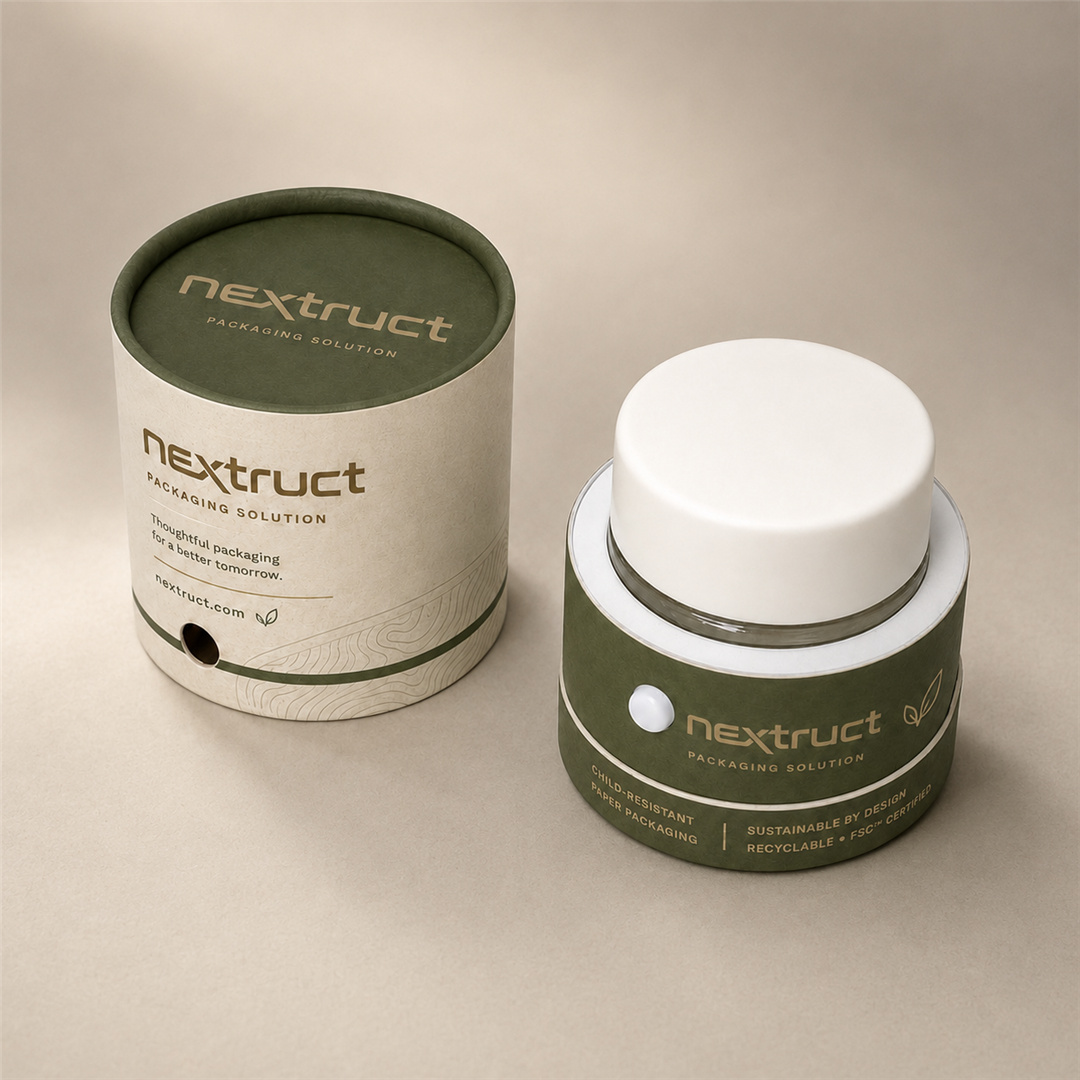
Gummies and softgels present a unique challenge: they are prone to sticking together under high temperatures and require child-resistant (CR) safety measures if they contain active herbal extracts or high doses of vitamins. Designing a paper-based CR container that passes regulatory testing while remaining plastic-free is a significant engineering feat. Nextruct's patented plastic-free child-resistant structures solve this dilemma, offering a push-and-turn or squeeze-and-pull mechanism made entirely from recyclable fiberboard, ensuring safety and compostability.
For liquid formats, a hybrid approach is often the most sustainable and commercially viable solution. By combining inert, infinitely recyclable amber glass bottles with custom-molded paperboard protective tubes, brands can eliminate the need for plastic bubble wraps or complex secondary cartons. This hybrid design not only protects the product during transit but also serves as an elegant, shelf-ready display that highlights the premium nature of the wellness brand.


Nextruct leverages structural engineering and advanced material sciences to design and manufacture cutting-edge packaging that satisfies the strict demands of the wellness industry.
Through these core competencies, we address the critical pain points of supplement brands, replacing standard plastic jars with premium, certified paper structures that perform under harsh distribution environments.
The landscape of sustainable design is rapidly evolving, driven by technological breakthroughs and shifting consumer values. When executing a project to design a packaging for sustainable wellness and supplement packaging, several major trends dominate the dialogue between designers and brand owners:
Using soy-based inks, raw kraft textures, and debossed branding to communicate purity, reducing the chemical load on the environment.
Designing durable primary containers (like glass or heavy-duty fiber tubes) meant to be kept, paired with compostable paper refill pouches.
Integrating QR codes directly into paper packaging to track sustainability metrics, ingredient sourcing, and recycling instructions.
By embracing these trends, wellness brands create packaging that is not only environmentally responsible but also highly interactive. This builds a deeper connection with modern consumers who demand transparency. Our approach involves utilizing structural engineering to maximize material efficiency, ensuring that every millimeter of paperboard serves a protective or functional purpose, thereby minimizing waste.
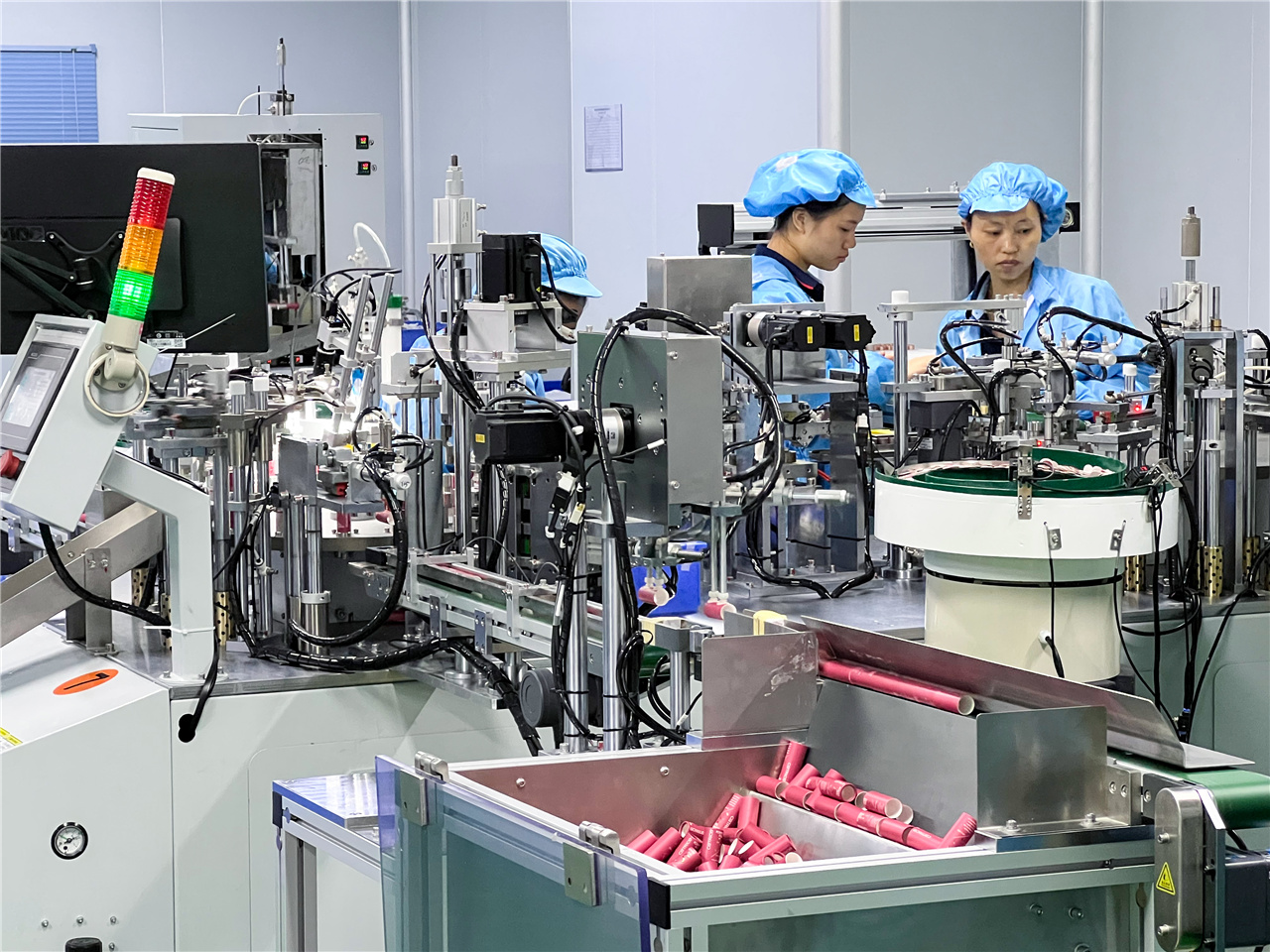
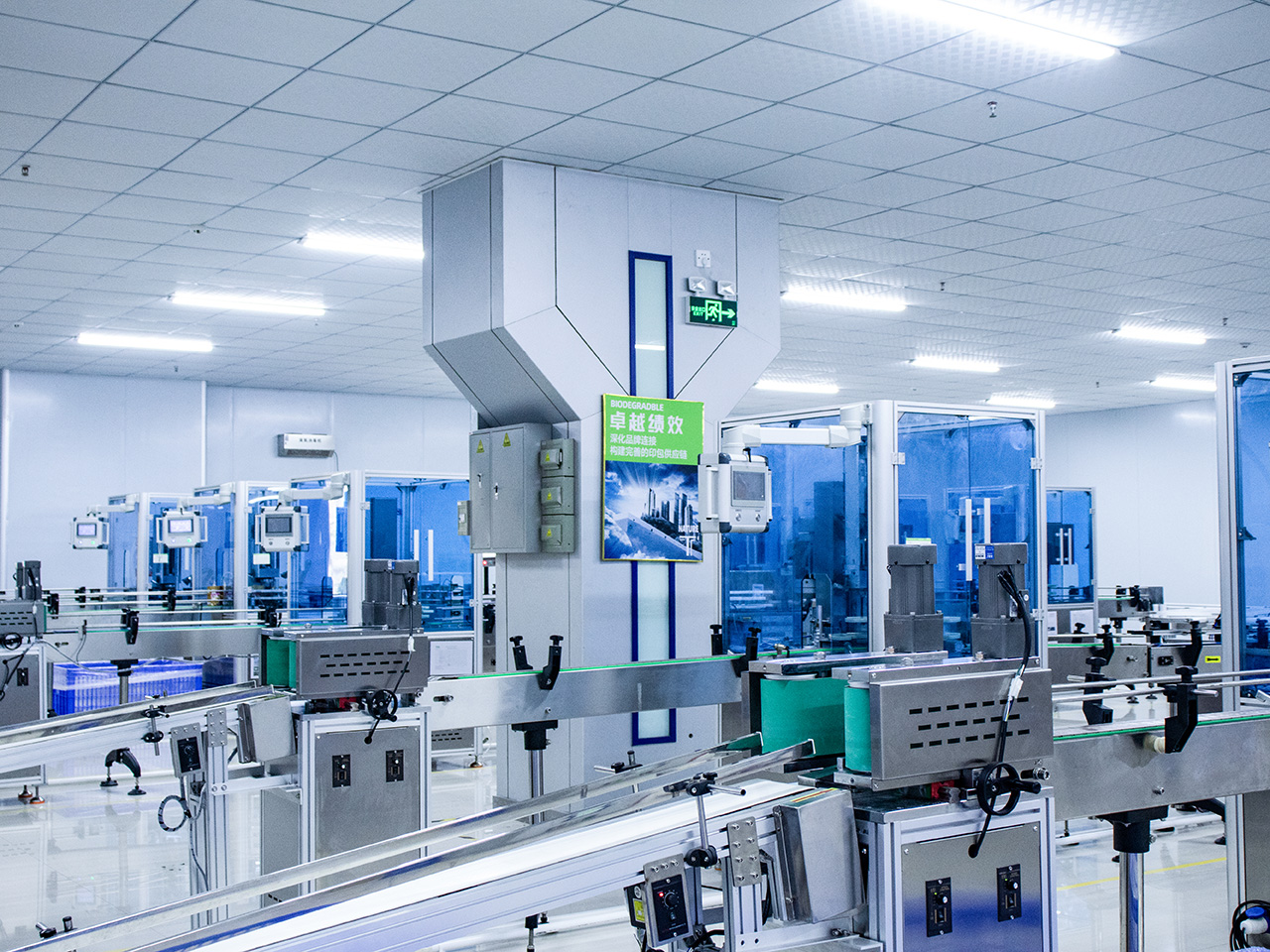
We integrate structural engineering and design capabilities with a global supply chain to provide end-to-end solutions from concept development to mass production and delivery, helping brands achieve packaging innovation and market differentiation.
Nextruct strictly adheres to three ISO management systems and the SA8000 social responsibility standard, and holds FSC certification, ensuring its production and supply chain are compliant and well-regulated, providing global clients with compliant, high-quality, and environmentally friendly product solutions.
More than a regular packaging supplier, we serve as your reliable long-term ally to advance continuous packaging innovation, ensuring your wellness brand stays at the forefront of sustainable design.
While the aesthetic and marketing benefits of eco-friendly packaging are clear, the technical execution requires precision. When companies design a packaging for sustainable wellness and supplement packaging, they must address three primary engineering hurdles:
Vitamins and herbal powders are highly hygroscopic. High humidity levels can cause clumping, oxidation, and degradation of active compounds. To prevent this, Nextruct develops high-performance fiber containers utilizing multi-layered structures. By incorporating ultra-thin bio-polymer linings or recyclable aluminum foil barriers, we can achieve MVTR values comparable to traditional plastic packaging, ensuring the product's shelf-life is fully preserved.
Many supplements, particularly those containing iron, melatonin, or cannabinoids, require certified child-resistant closures to comply with consumer safety regulations (such as US 16 CFR § 1700.20). Achieving this with rigid plastics is easy, but engineering a paper-based mechanism that is easy for seniors to open yet secure against child access is highly complex. Nextruct's patented CR paperboard structures rely on precise structural locks and release tabs, providing a certified, plastic-free solution that satisfies both safety regulators and environmental advocates.
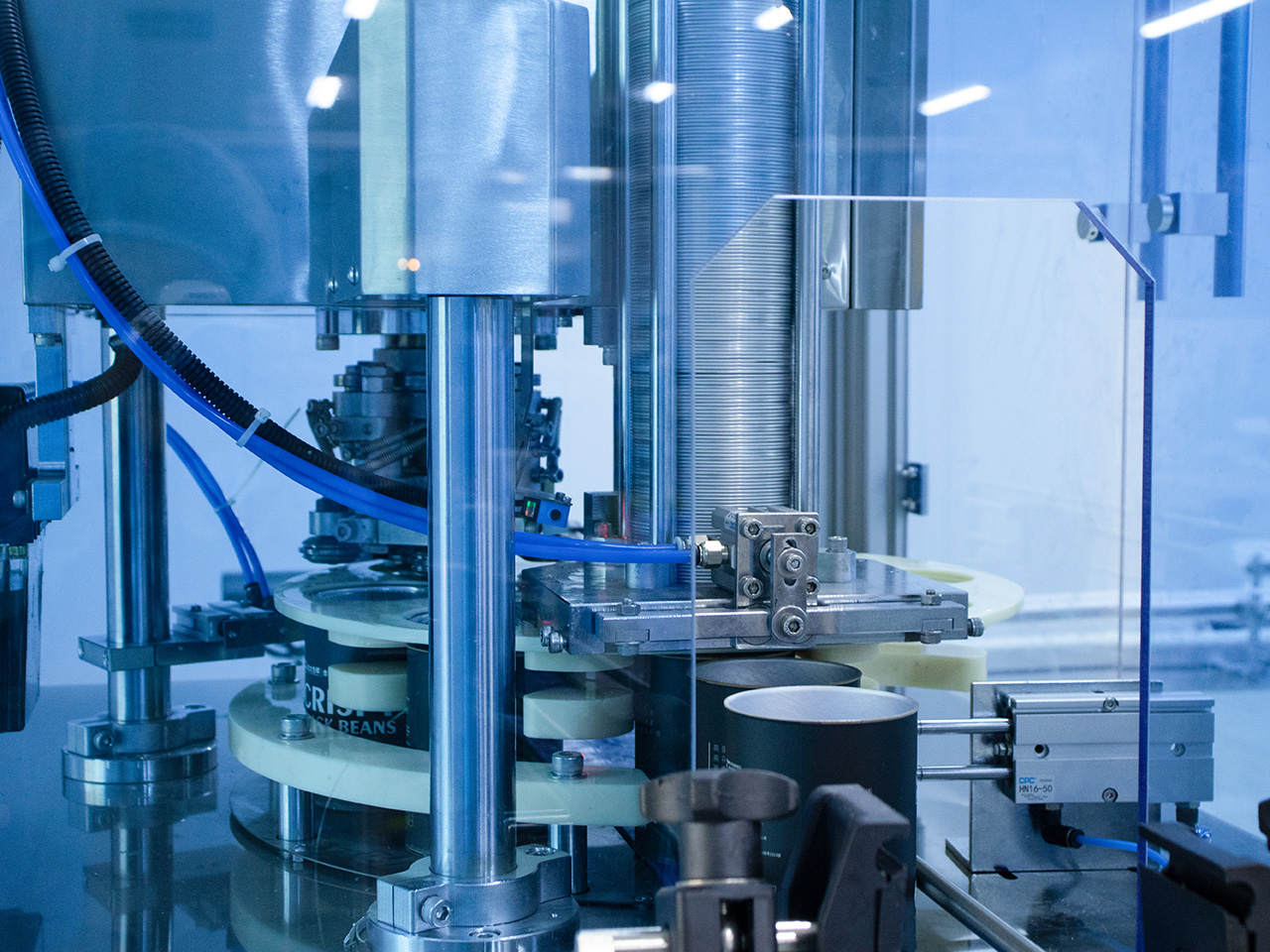
A major barrier to adopting sustainable packaging is the cost of retooling existing filling lines. Paper tubes and bottles often behave differently than plastic containers on high-speed automated lines. Nextruct designs its sustainable canisters and tubes with standard outer dimensions and rigid bases, allowing them to run smoothly on existing machinery with minimal modifications, reducing the barrier to entry for large-scale supplement manufacturers.
By choosing to design a packaging for sustainable wellness and supplement packaging with Nextruct, you are not just selecting a vendor; you are partnering with an award-winning innovator. Our 14 years of experience, combined with our 21 patents and FSC-certified production facilities, ensure that your brand upgrade is seamless, commercially viable, and profoundly impactful.