Leave Your Message
Discover our award-winning, high-performance sustainable paper tubes engineered for optimal barrier performance and leak-proof integrity.
The global packaging landscape is undergoing a monumental paradigm shift. As regulatory pressures intensify and consumer awareness regarding plastic pollution reaches an all-time high, industries ranging from cosmetics to food and pharmaceuticals are seeking viable alternatives. Among these alternatives, paper tubes have emerged as a highly promising structural format. However, transitioning from plastic or aluminum containers to paper-based structures presents a significant engineering challenge: achieving absolute leak-proof integrity.
Designing packaging for leak-proof paper tubes requires a sophisticated understanding of material science, structural engineering, and coating technologies. Historically, paper containers were limited to dry goods, powders, or solid products. Today, advanced barrier technologies and novel manufacturing processes are enabling brands to deploy paper tubes for semi-solids, creams, oils, and even liquid formulations. This comprehensive guide outlines the industrial requirements, material developments, and design parameters necessary to create a truly leak-proof paper tube packaging solution.
Governments worldwide are implementing strict regulations on single-use plastics. The European Union’s Packaging and Packaging Waste Regulation (PPWR) and various state-level extended producer responsibility (EPR) laws in the United States are forcing brands to redesign their packaging suites. In this regulatory climate, fiber-based packaging solutions are highly favored due to their renewable origin and high recycling rates. The commercial demand for leak-proof paper tubes is driven by beauty brands seeking plastic-free deodorant sticks, food companies packaging oils and spices, and wellness companies looking for sustainable supplement containers.
Replacing a plastic bottle or tube with a paper container is not a simple one-to-one swap. Plastics offer inherent moisture and gas barrier properties that paper naturally lacks. To make paper leak-proof, designers must integrate functional barriers that do not compromise the recyclability or compostability of the fiber tube. The industrial goal is to design a packaging structure that performs identically to plastic during its shelf life but degrades harmlessly or enters the standard paper recycling stream post-consumer.
Integrating bio-waxes, PLA, or water-based barrier coatings to prevent liquid penetration through the paper fibers.
Utilizing high-precision spiral winding and ultrasonic seaming to eliminate micro-gaps at the tube joints.
Designing tight-tolerance lids, threaded closures, or push-up bases to prevent leakage at the opening points.
The foundation of any leak-proof paper tube lies in its barrier layer. Standard paper is porous and hydrophilic, meaning it readily absorbs liquids. To prevent this, a protective inner layer must be applied. Modern solutions avoid traditional plastic laminates (like PE or PP) in favor of sustainable alternatives:
A paper tube is typically constructed by spiral winding or parallel winding multiple plies of paperboard around a mandrel. The joints where the paper edges meet are potential failure points for leaks. Designers must ensure:
The top and bottom closures of the tube are critical zones. For push-up deodorant tubes, the bottom disc must fit tightly enough to prevent melted product from leaking during hot-filling, yet move smoothly during consumer use. For liquid or cream containers, crimped bottoms or curled edges reinforced with food-grade silicone-alternative gaskets are deployed to ensure a hermetic seal.



The beauty industry is one of the largest consumers of single-use plastics. Deodorants, lip balms, sunscreen sticks, and solid perfumes are perfect candidates for leak-proof paper tubes. The key design requirement here is temperature resistance. During the manufacturing process, cosmetic formulations are poured into the packaging while hot and liquid. The paper tube must withstand hot-filling temperatures (often between 60°C to 80°C) without the oil-based formula seeping through the seams or absorbing into the paper wall.
From powdered beverages to liquid flavor concentrates, paper tubes offer an attractive, shelf-stable packaging format. For dry powders that contain oils or fats, a leak-proof barrier prevents unsightly grease spots on the exterior of the tube. For liquid concentrates, a high-barrier aluminum or plant-derived inner liner ensures that the liquid remains sealed, sterile, and free from oxygen exposure, preserving freshness and extending shelf life.
In the wellness sector, paper tubes are increasingly used for effervescent tablets, powders, and topical ointments. Achieving a leak-proof and moisture-proof seal is critical here, as moisture ingress can ruin the active ingredients. Incorporating desiccants into the lid design along with a high-barrier lined paper tube wall ensures the internal environment remains completely dry and protected from external humidity.
From concept development to global compliance, we build reliable, sustainable structures that elevate your brand.
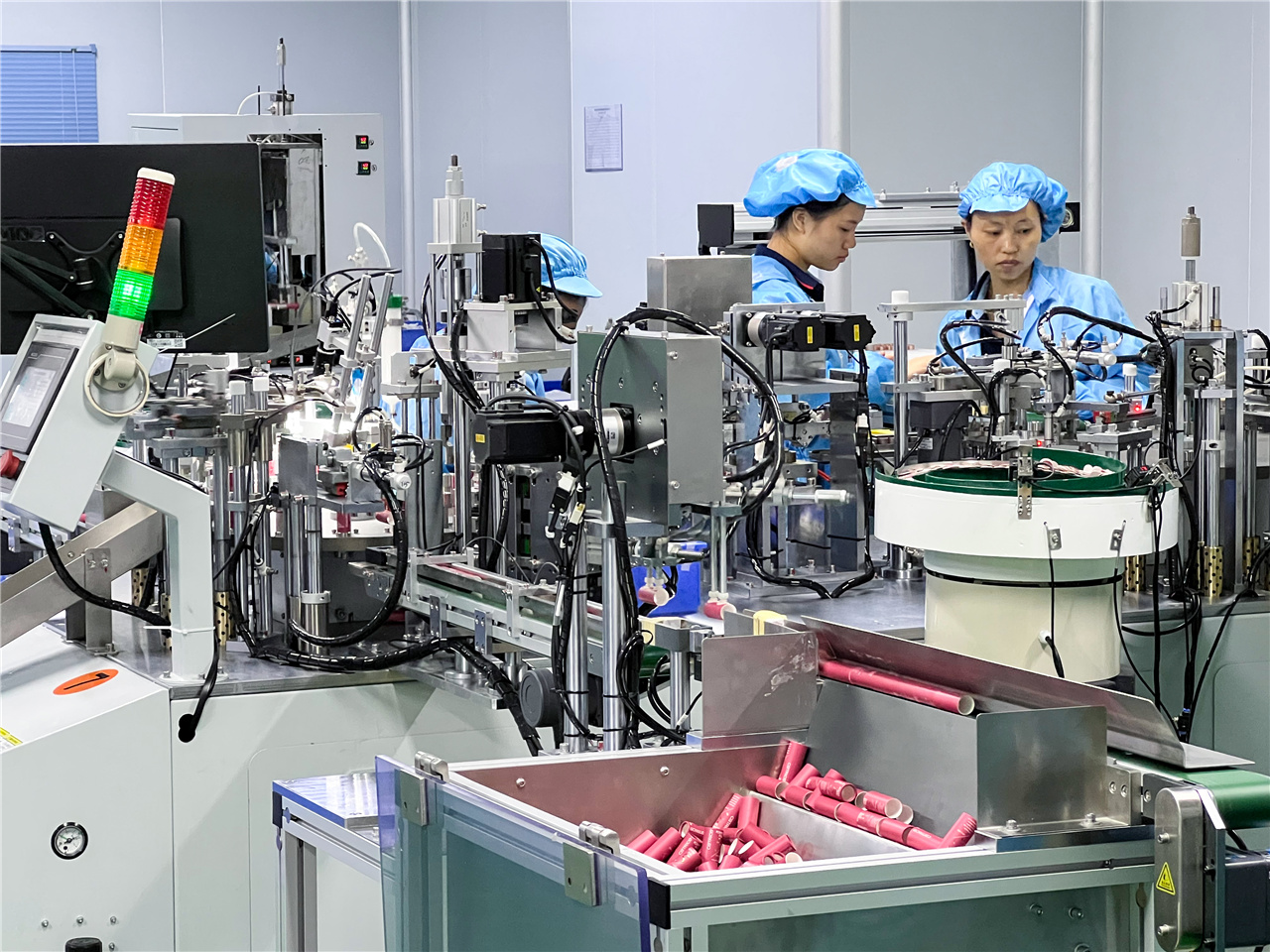
We integrate structural engineering and design capabilities with a global supply chain to provide end-to-end solutions from concept development to mass production and delivery, helping brands achieve packaging innovation and market differentiation.
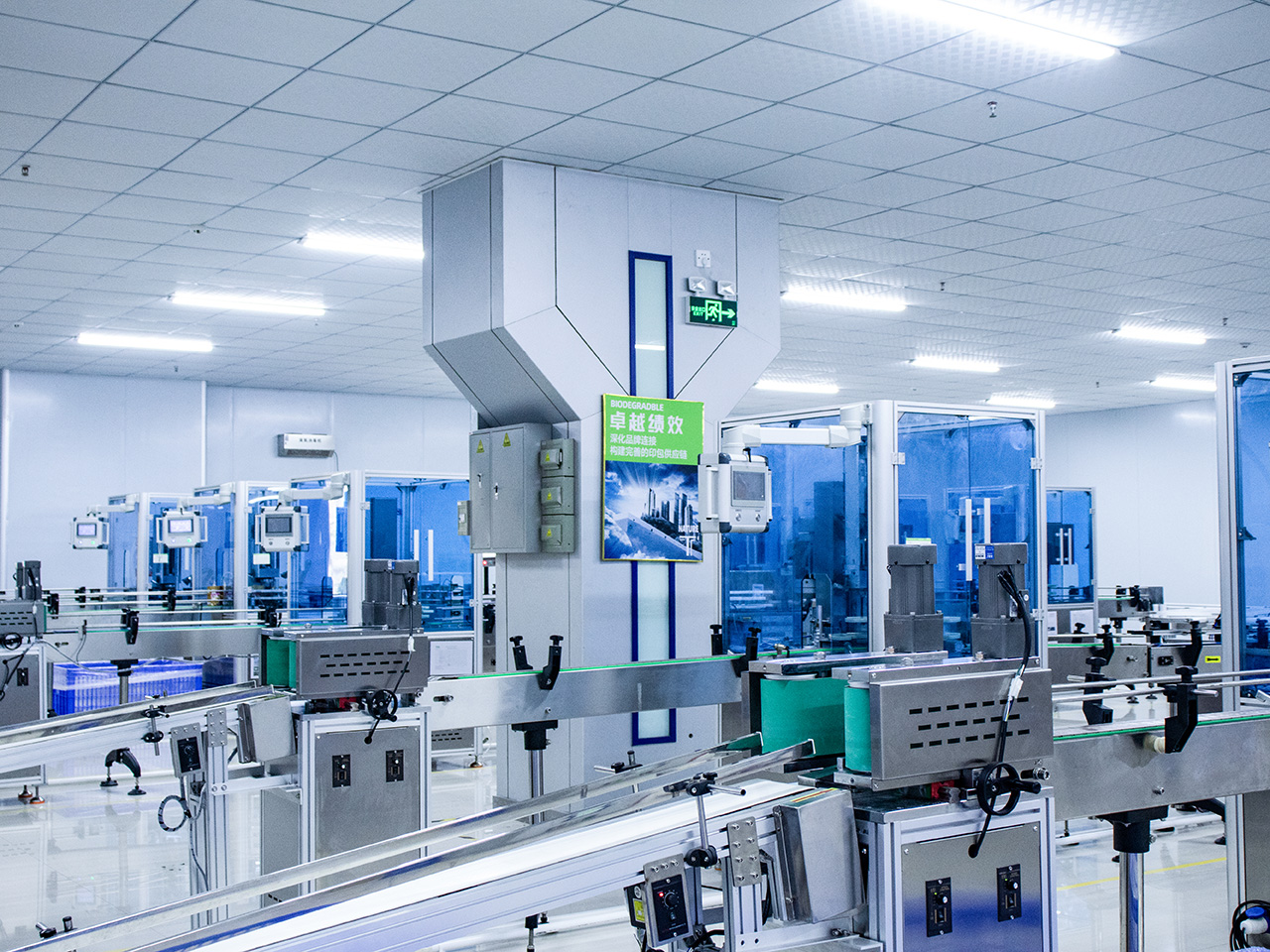
Nextruct strictly adheres to three ISO management systems and the SA8000 social responsibility standard, and holds FSC certification, ensuring its production and supply chain are compliant and well-regulated, providing global clients with compliant, high-quality, and environmentally friendly product solutions.
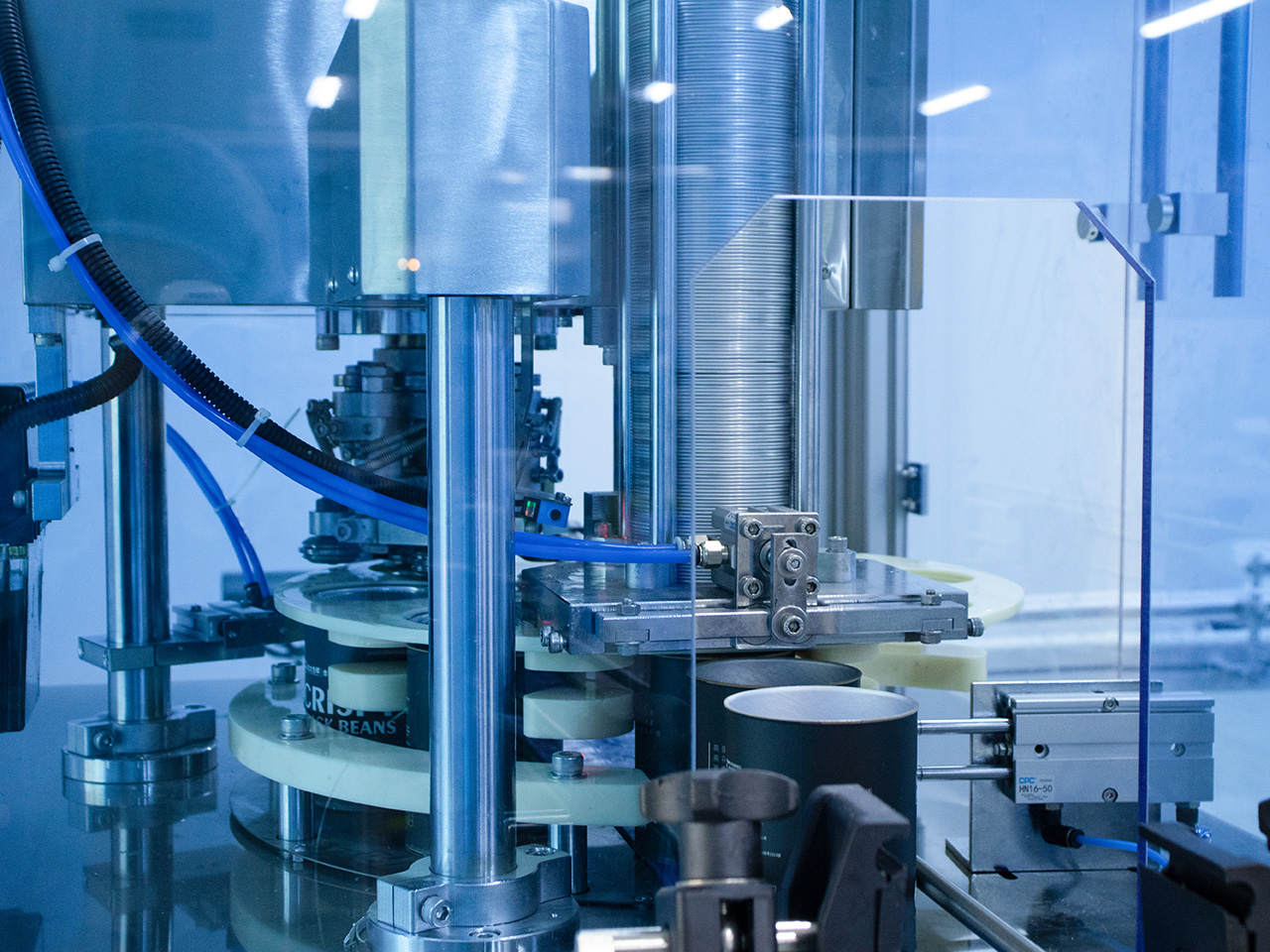
More than a regular packaging supplier, we serve as your reliable long-term ally to advance continuous packaging innovation.
Engineered to meet the highest sustainability and performance standards for global brands.